How to Litter Box Train a Kitten
To litter box train a kitten, place a low-entry box in a quiet spot, use familiar litter, and guide the kitten there after meals and naps. Keep the box clean and reward calm use without punishment.
On this page (10 sections)
- How do you litter box train a kitten?
- Where should you put the kitten's litter box?
- What kind of litter box works best for a kitten?
- What litter should you use when training a kitten?
- How often should you clean the litter box?
- Can a disposable box help with kitten training?
- What should you do after a kitten uses the box?
- What should you do about accidents?
- How can you train a kitten during travel or a move?
- What is the simplest kitten litter box training plan?
To litter box train a kitten, make the box easy to enter, place it near the kitten's main space, and guide the kitten there after meals, naps, and play. Keep the litter clean, use a steady routine, and reward successful use with calm praise.
Most kittens learn by combining instinct with repetition. Your job is to make the correct place clear, comfortable, and available whenever the kitten needs it.
How do you litter box train a kitten?
Start with one low-entry litter box in a quiet area, then guide your kitten to it at predictable times. Let the kitten sniff and explore the box without holding it inside or forcing its paws through the litter.
Use this routine:
- Place the kitten beside the box after waking.
- Guide the kitten there after eating and active play.
- Let the kitten investigate without pressure.
- Praise quietly when the kitten uses the box.
- Scoop waste regularly and keep the box easy to find.
- Repeat the routine until the kitten goes there independently.
A kitten may need more than one reminder during the first few days. Stay nearby during exploration, especially if the kitten is still learning the layout of the home.
Where should you put the kitten's litter box?
Put the box in a quiet, easy-to-reach location that the kitten can access without stairs or closed doors. Keep it away from loud appliances, busy walkways, and food and water bowls.
A bathroom corner, spare room, or calm area can work if the door stays open. Avoid moving the box repeatedly while training because the kitten needs a stable location.
If the kitten spends time in more than one room, add a box near each main area. Once the routine is reliable, you can decide whether one location is enough for your home.
The best litter box for kittens should match the kitten's size and mobility. A low entry matters more than choosing a large box that the kitten struggles to climb into.
What kind of litter box works best for a kitten?
Choose a box with a low entry, enough floor space to turn around, and sides that don't block the kitten's view. An open box can make it easier to monitor use and spot waste during training.
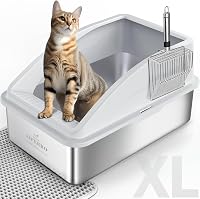
The Amazon Basics Large Cat Litter Box has an open top, high sides, a lowered front, and dimensions of 19 x 15 x 11.75 inches. Its lowered front supports easier entry, while the high sides help contain scattered litter.
Its BPA-free, recyclable plastic surface gives you a simple tray to monitor and scoop. The included scoop stores on the box, which keeps the cleaning tool nearby.
Measure the kitten's route and doorway before placing any box. A box that fits the room but sits behind a closed door will not help with training.
What litter should you use when training a kitten?
Use a litter texture your kitten accepts, and avoid changing the type, depth, or scent without a reason. A sudden change can make the box feel unfamiliar.
Fill the box with a modest layer that lets the kitten dig and cover waste without making the entry difficult. Scoop often enough that the kitten does not have to step around old waste.
If you switch litter, add the new type gradually. For a sifting option, see whether Modkat can sift litter.
Keep one box with the familiar litter while the kitten learns the new texture, then observe which box the kitten chooses.
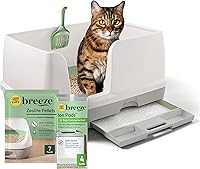
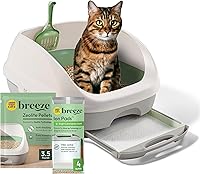
The Purina Tidy Cats Breeze Litter Box System uses Zeolite non-clumping pellets and disposable Ion litter pads in an extra-large box with higher walls. The pellets keep solid waste on top for removal while urine passes to the pad below.
The system includes the XL litter box, Zeolite pellets, a scoop, and a pack of Ion litter box pads. Its 27.5 x 18.5 x 13.7 inch size may suit a setup where you have room for the larger box, but check that a young kitten can enter comfortably.
Purina says the pellets are 99.9 percent dust free, and each pad locks in moisture and odor for 7 days for one cat. Those details describe the system's design, but your kitten's comfort and willingness to use it still decide whether it is a good training choice.
How often should you clean the litter box?
Scoop solid waste and clumps regularly, then keep the box dry and easy to approach. A dirty box can make a kitten look for another surface.
Check the box at least daily and remove waste as soon as you notice it. Follow the care directions for the litter you use, since pellet systems and traditional litter have different maintenance routines.
Wash the box with products that are safe for cats, rinse it well, and let it dry before refilling. Avoid strong scents that may make the box less inviting.
If litter sticks to paws or scatters across the floor, review how to keep litter in the litter box for placement and containment ideas.
Can a disposable box help with kitten training?
A disposable box can help when you need a quick, low-entry tray for a temporary training area or travel. It also gives you a simple replacement option after illness, heavy mess, or a move.
The Kitty Sift Disposable Cat Litter Box Large comes as a 6 count and measures 17.75 x 13.8 x 5.5 inches. Its shallow, open profile and low entry can suit younger or smaller kittens.
The thick recyclable walls resist leaking and digging, while the open design promotes airflow. Kitty Sift describes the tray as requiring no liners or scrubbing, so you can fill, use, and replace it when needed.
This option may fit a spare-room setup, hotel stay, boarding arrangement, or car trip. Its disposable design creates more waste than keeping one reusable box, so use it when portability or quick replacement matters.
What should you do after a kitten uses the box?
Give quiet praise and let the kitten leave without turning the moment into a stressful event. A calm response helps keep the box associated with normal daily behavior.
You can offer a gentle voice cue or brief petting if the kitten enjoys it. Avoid loud excitement that makes the kitten rush away or view the box as part of a game.
Keep a simple note of meals, naps, box visits, and accidents during the first week. Patterns can show when the kitten most often needs guidance.
If the kitten repeatedly avoids the box, read why your cat may not be using the litter box and check access, cleanliness, location, and litter texture.
What should you do about accidents?
Clean accidents without punishment, then adjust the routine or box setup. Scolding can make the kitten hide when it needs to eliminate, which makes training harder.
Move the kitten to the box when you notice sniffing, crouching, scratching, or searching behavior. If an accident happens, clean the surface fully and keep the kitten supervised near the box for a while.
Repeated accidents can have a health cause, especially when the kitten strains, cries, produces little urine, has diarrhea, or suddenly changes behavior. Contact a veterinarian promptly if those signs appear.
A kitten that uses the box successfully but begins avoiding it later may be reacting to a dirty box, a new litter, household noise, or a location change. Change one factor at a time so you can see what helps.
How can you train a kitten during travel or a move?
Keep the same litter routine and make the box the first familiar item in the new space. Start the kitten in one quiet room with food, water, bedding, and the litter box before opening access to the rest of the home.
For travel, place the kitten's temporary box where it can be reached without passing through busy areas. The Kitty Sift tray's portable, lightweight design may help for hotel stays, boarding, road trips, and car travel.
Avoid changing litter, food, room location, and schedule all at once. Familiar cues make it easier for the kitten to understand where the new toilet area is.
If your kitten is large enough for a covered or automatic design later, read what a carbon filter in a litter box does and what a step-free automatic litter box is before changing the setup.
What is the simplest kitten litter box training plan?
Use a low-entry box, place it close to the kitten, guide the kitten after routine events, and keep the box clean. Reward success calmly and respond to accidents by checking the setup rather than punishing the kitten.
Choose the Amazon Basics box when you want an open reusable tray with a lowered front and high sides. Choose the Purina Tidy Cats Breeze system when a pellet-and-pad routine suits your space.
Choose the Kitty Sift tray when you need a shallow disposable option for temporary use or travel.
The best routine is the one your kitten can reach, understand, and repeat every day.
Frequently asked questions
How long does it take to litter box train a kitten?
Many kittens learn the basic routine quickly when the box is easy to reach and placed where they spend time. Keep guiding the kitten after sleeping, eating, and active play.
If accidents continue, review the box location, litter type, cleanliness, and access before changing several things at once.
What is the best litter for litter box training a kitten?
The best litter is one your kitten accepts and can enter safely. Start with a simple, unscented litter if possible, use a shallow box for easy access, and avoid sudden changes.
If you need to change litter, mix the new type in gradually while watching for avoidance.
How often should I put my kitten in the litter box?
Guide your kitten to the box after waking, eating, drinking, and energetic play. You don't need to force the kitten to stay inside.
Set the box nearby, let the kitten investigate, and offer calm praise after successful use.
What should I do if my kitten has an accident?
Clean the area thoroughly so lingering odor does not draw the kitten back. Do not yell, rub the kitten's nose in the mess, or punish it.
Check whether the box is dirty, difficult to reach, too high, or located near noise and activity.