How to Use Tofu Cat Litter
Use tofu cat litter by switching gradually, filling the box to the package depth, scooping solid waste daily, and replacing damp litter before odor builds. Watch your cat's habits during the change and keep the box clean.
On this page (11 sections)
- How do you switch a cat to tofu litter?
- How much tofu cat litter should you put in the box?
- How should you scoop tofu cat litter?
- How do you control moisture and odor?
- When should you empty and wash the box?
- How do you reduce tracking from tofu litter?
- Can tofu litter go in an automatic litter box?
- What should you do if your cat rejects tofu litter?
- How does tofu litter compare with non-clumping litter?
- Can you use a tofu litter routine with grooming care?
- What is the simplest tofu cat litter routine?
Use tofu cat litter by switching slowly, filling the box correctly, scooping every day, and replacing damp litter before the box smells. Keep the old litter available during the change so your cat can choose the familiar texture.
Tofu litter is a plant-based litter made in pellet or granule forms. Its texture, dust level, clumping behavior, and disposal instructions vary by brand, so follow the package directions for the specific litter you buy.
How do you switch a cat to tofu litter?
Mix tofu litter with the old litter over several days instead of changing the box all at once. A gradual change gives your cat time to accept the new smell and texture.
Start with mostly familiar litter and a small amount of tofu litter. Increase the tofu portion only when your cat continues using the box normally.
If your cat stops using the box, returns to the old box, or shows clear discomfort, slow the change. Keep the box in its usual location and avoid adding fragrance during the transition.
Readers comparing pellet options can also see how to use cat litter pellets and how to use wood pellet cat litter. Tofu litter and wood pellets may look similar, but their handling and disposal directions can differ.
How much tofu cat litter should you put in the box?
Add enough tofu litter for digging and waste coverage, then use the package depth as your guide. A thin layer may leave urine or waste against the bottom, while an overly deep layer can create more tracking and waste.
Pour the litter into a clean, dry box and spread it evenly. Leave enough room at the top for your cat to enter, turn, dig, and cover waste without pushing litter over the rim.
Check the level after scooping. If you remove a large amount of litter with waste, add fresh litter to restore the working depth rather than waiting until the bottom is exposed.
Measure the box interior before changing litter systems. A larger box may need more litter to reach the same depth, while a smaller box can become crowded if you add too much.
How should you scoop tofu cat litter?
Remove solid waste at least once a day and take out damp litter whenever you see it. Daily scooping keeps the remaining litter cleaner and makes odor easier to manage.
Use a scoop that matches the tofu litter's particle size. Lift waste slowly so clean pieces fall back through the openings, then place the waste in a sealed bag or follow the disposal instructions on the package.
If the tofu litter clumps, let the clump firm up before scooping. If it does not clump, remove the wet or broken-down section and replace only what you took out.
Avoid stirring the whole box after every scoop. Excess mixing can spread damp litter through the clean layer and make the box harder to keep dry.
Does a sifting box work with tofu cat litter?
A sifting box can work with tofu litter only when the litter pieces fit the sifter and the box instructions allow that type of litter. Check the openings before filling the box, because pieces that fall through too easily may be wasted.
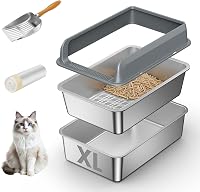
The Paulmele Stainless Steel Sifting Litter Box is designed around pine pellets that break down into sawdust. It has a sifting pan, bottom pan, high sides, liners, and a scoop, so it may suit readers comparing pellet-style systems, but tofu litter should be checked for fit first.
Do not assume every tofu pellet behaves like pine pellets. Test a small amount first, and stop if clean litter falls through with the damp material or the sifter leaves wet litter behind.
How do you control moisture and odor?
Keep the litter dry, scoop waste promptly, and clean the empty box before adding a fresh layer. Tofu litter can lose its usefulness when too much moisture remains in the box.
Place the box on a dry, level floor away from water bowls, leaking plumbing, and damp entryways. A mat outside the box can catch pieces from your cat's paws, but it won't replace daily scooping.
Look for wet patches under the top layer. If you find them, remove the affected litter, wipe the box with a cat-safe cleaner, rinse if needed, and dry it fully before refilling.
Don't cover odor with strong fragrance. A sudden scent can make the box less appealing to some cats, while regular waste removal addresses the source.
What box can help with moisture separation?
A box with a removable tray or separate waste path can make moisture management easier, but it may require a specific litter system. The box must suit your cat's size and the litter's texture.
The Purina Tidy Cats Breeze Cat Litter Box includes an open box, Zeolite pellets, Ion litter pads, a scoop, and a protective drawer for the pads. Its system separates solid waste from urine, with solid waste staying on the pellets while urine passes to the pad below.
This system is built around its included Zeolite pellets and Ion pads. It is not a direct tofu litter setup, so use the included system as intended rather than mixing tofu litter into the pellet area.
The kit measures 20.7 x 15 x 9.7 inches and weighs 9.4 pounds. Those dimensions can help you compare the space needed for a separate-system box with the space available in your home.
When should you empty and wash the box?
Empty the box when damp litter, odor, or small broken pieces remain after scooping. A full wash gives you a clean starting point and prevents old residue from building under the fresh litter.
Pour the remaining litter into a waste bag and follow the package disposal instructions. Remove stuck material with a scoop or soft tool, then wash the box with mild unscented soap unless the box instructions say otherwise.
Rinse away soap residue and let the box dry completely. Moisture trapped under fresh tofu litter can create odor and make the litter break down faster.
Wash the mat separately if it collects litter dust or damp pieces. Keep the box in its familiar location after cleaning so the change is limited to the litter routine.
Is stainless steel useful for tofu litter care?
Stainless steel can make box cleaning easier because it does not absorb odors like some porous surfaces. It still needs regular scooping, washing, and drying.
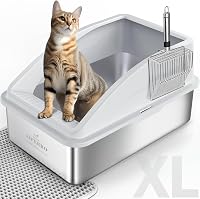
The AIPERRO Stainless Steel Litter Box is an XL enclosed box with a lid, high sides, a sealed bottom, a curved shape, a removable litter mat, and an all-metal scoop. It measures 23 x 15 x 11 inches, while the product dimensions state 20 x 13 x 17 inches.
The box is described as suitable for all types of cat litter, but measure your available space and check that your cat accepts the enclosed shape before switching. The angled filter plate is intended to reduce litter escaping from the box.
Its included mat has a double-layer honeycomb design, and the scoop has 0.4 in by 0.2 in gaps. Those details may help with cleanup, but the scoop opening should still match the size of your tofu litter pieces.
How do you reduce tracking from tofu litter?
Use a mat, keep the litter depth controlled, and remove loose pieces around the box each day. Tracking often increases when the box is overfilled or when broken litter collects near the entrance.
Sweep or vacuum around the box instead of pushing scattered litter back into the clean layer. This removes waste particles and keeps the area easier to inspect.
A high-sided box can reduce spillover, but your cat still needs a comfortable entry and enough room to turn. Watch where litter lands after your cat exits, then adjust the mat position.
If your cat dislikes a covered or enclosed box, use an open box and focus on mat placement and daily cleanup. Acceptance matters more than a box feature.
Can tofu litter go in an automatic litter box?
Only use tofu litter in an automatic litter box when the machine instructions specifically allow its texture and size. Automatic systems need litter that moves through the rake, screen, or sifting mechanism without blocking it.
Check whether the litter clumps firmly enough for the waste-removal cycle. If it breaks apart, stays wet, or sticks to the base, the machine may leave waste behind.
An automatic unit also needs a transition period. Keep a familiar manual box nearby until your cat uses the new setup reliably, and inspect the first cycles for missed waste.
See Do Automatic Cat Litter Boxes Really Work? for the routine, space, and cleanup trade-offs before changing from a manual box.
What should you do if your cat rejects tofu litter?
Return to the last litter your cat used comfortably, then retry with a slower mix if you still want to switch. Rejection can come from the texture, smell, depth, box location, or a dirty surface.
Offer a second box with the familiar litter during the transition. Keep both boxes clean and compare which texture your cat chooses.
Don't force your cat into the new litter or remove the old option immediately. A cat that avoids the box can create a separate cleanup problem, and sudden changes can make the transition harder.
If your cat strains, urinates outside the box repeatedly, or shows other signs of illness, contact a veterinarian. Litter preference should not be used to explain ongoing health changes.
How does tofu litter compare with non-clumping litter?
Tofu litter is often chosen for its plant-based material and pellet or granule texture, while non-clumping litter is managed by removing solid waste and changing damp litter. The right choice depends on how your cat uses the box and how often you can clean it.
Non-clumping litter usually needs careful moisture checks because urine can spread through the lower layer. Read How Does Non Clumping Litter Work for Cat Owners? before choosing a routine.
Tofu litter may clump, soften, or break down depending on its formula. Follow the package directions instead of assuming it behaves like clay, wood, or paper litter.
For a pine-pellet comparison, see Best Cat Litter Boxes for Pine Pellets. Pine pellets and tofu litter can need different sifter openings and disposal methods.
Can you use a tofu litter routine with grooming care?
A clean litter routine helps keep loose litter away from paws, but it does not replace regular grooming. Check your cat's paws and fur when tracking increases, especially after a litter change.
Use a quiet space and short sessions if you need to remove litter caught in fur. For a separate grooming task, how to use Oneisall cat clippers explains a careful approach to using clippers around a cat.
Do not clip matted fur close to the skin without suitable guidance. If your cat struggles or the mat is tight, ask a veterinary professional or groomer for help.
What is the simplest tofu cat litter routine?
Fill the box to the package depth, scoop solid waste daily, remove damp litter promptly, and wash the box when odor or residue remains. During the switch, mix tofu litter in slowly and keep a familiar option available.
Choose an open box if your cat prefers easy access. Consider stainless steel when you want a non-porous surface, and consider a sifting setup only when the litter pieces fit the sifter.
Tofu litter works best when the box stays dry and predictable. Check the litter instructions each time you change brands, especially for clumping, flushing, and disposal guidance.
Frequently asked questions
How deep should tofu cat litter be?
Fill the box to the depth recommended on your tofu litter package, usually enough for your cat to dig and cover waste without reaching the base. Start with less if your cat dislikes deep litter, then add small amounts while watching digging, tracking, and waste coverage.
How often should you scoop tofu cat litter?
Scoop solid waste at least once a day, and check the box more often in a multi-cat home. Remove damp or broken-down litter when you see it, then top up with fresh tofu litter only after the remaining litter is clean and dry.
Can you flush tofu cat litter?
Don't flush tofu cat litter unless both the package directions and your local wastewater guidance allow it. Even plant-based litter can swell, clump, or contribute to a blockage.
Bag waste and follow your local disposal rules when flushing is not clearly approved.
How often should tofu cat litter be changed?
Change tofu cat litter when the box stays damp, smells after scooping, contains too many small pieces, or your cat avoids it. The timing depends on the box size, litter depth, number of cats, and how often you remove solid waste.