How to Use Cat Litter Pellets
To use cat litter pellets, choose a box and removal method that match the pellet material, then scoop solid waste daily and replace pellets when they are soiled or breaking down. Wood, tofu, and non-clumping system pellets handle urine differently, so follow the package directions.
On this page (7 sections)
To use cat litter pellets, match the box to the material, scoop solid waste daily, and replace pellets as their package directs. Some pellets absorb urine and break down, while others let urine pass to a pad below.
Pellet size and urine handling affect how you scoop and change the litter. Start with the package instructions, then watch whether the pellets stay whole, turn into finer material, or become damp.
How do you set up cat litter pellets?
Use a clean, dry box and add the amount of pellets specified on the package. Put the box somewhere quiet and easy for your cat to reach, then let your cat explore it without being rushed.
If you're switching from another litter, introduce the new material gradually when practical. A sudden change in texture can put some cats off using the box.
A regular litter pan can work for many pellet types, but sifting systems may suit pellets that break into smaller particles. For pine pellets, compare the features in our guide to the best cat litter box for pine pellets.
Keep the box in a stable spot while your cat gets used to the new texture. If your cat stops using it or shows discomfort, return to a familiar litter and contact a veterinarian if the change persists.
How to use cat litter pellets in a sifting box
A sifting box separates smaller broken-down material from larger pellets. Add pellets to the sifting layer, then follow the box instructions for shaking or lifting it so the smaller material falls into the tray below.
Remove the collected waste from the lower tray and clean the box as needed. Don't shake so hard that clean pellets spill out or the box tips.
Pine pellets are one type used with sifting boxes. Our guide to how to use wood pellet cat litter explains the breakdown and removal routine for that material.
How do you scoop and manage urine?
Remove solid waste every day, then handle urine based on what the pellets do with moisture. Use a scoop suited to the pellet size and keep a separate routine for any lower tray or absorbent pad.
Some pellets absorb urine and change texture. Others are designed to let urine pass through to a pad, while solid waste remains on top.
What changes when you use wood pellets?
Wood pellets can absorb urine and break down into sawdust. In a sifting setup, the finer material can fall into a lower tray while larger pellets stay in the top layer.
Scoop solid waste from the surface and remove the sawdust from the bottom tray as it builds up. Keep an eye on the top layer and refill or replace it according to the pellet package.
What changes when you use tofu pellets?
Tofu pellets have their own texture and handling instructions, so use the depth and removal method on the package. Scoop solid waste daily and remove wet or damaged pellets as directed.
If you want steps specific to this material, see how to use tofu cat litter. Avoid treating all pellets as interchangeable, since their urine handling can differ.
How does a pellet and pad system work?
In a pellet and pad system, urine passes through the pellets to an absorbent pad below, while solid waste stays on top for removal. Check the pad and pellets on the replacement schedule for the system and change them as directed.
The Purina Tidy Cats Breeze Cat Litter Box combines Zeolite pellets with absorbent pads; its instructions describe a seven-day pad interval for one cat and pellets that last a month when used as directed.
This setup has a drawer for the pad and an open box. Follow its instructions for pad replacement and pellet maintenance, and check the fit and entry style for your cat.
Which box works with cat litter pellets?
Choose a box that supports the pellets' removal method and gives your cat enough room to turn around. A standard pan may be enough, while a sifting tray or system with a lower pad compartment can reduce the work of separating waste.
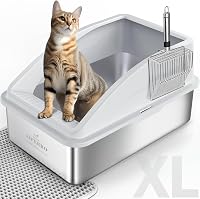
For pine pellets, a sifting box can collect broken-down material below the pellet layer. The Paulmele Stainless Steel Sifting Litter Box has holes designed for pine pellets and a lower tray for sawdust.
This box is designed around pine pellets, so check whether its sifting method suits your litter before choosing it. See our automatic litter box for pine pellets explained guide if you're considering automation with this material.
A standard box may fit if you don't need to separate fine material from whole pellets. The AIPERRO Stainless Steel Litter Box is described as suitable for all types of cat litter and includes a scoop and litter mat.
Its enclosed top and angled filter plate may affect how easily your cat enters and moves around, so consider your cat's habits before choosing it. For a broader look at how automatic models handle waste, read do automatic cat litter boxes really work?.
When should you replace cat litter pellets?
Replace pellets when they are heavily soiled, smell despite routine cleaning, or no longer work as intended. The right schedule depends on the material and whether urine collects in pellets, breaks them down, or drains to a pad.
Check the box daily for damp spots, clumps of fine material, and waste caught around the edges. Remove soiled material promptly, and wash and dry the box before adding fresh pellets when the package calls for a full change.
Don't mix fresh pellets into a dirty box to hide odor. That can make it harder to see whether the litter is staying dry and usable.
How do you keep pellet litter clean?
Scoop solid waste daily and keep the surrounding floor clear of tracked pellets. Empty lower trays or replace pads on the schedule for your system, and wash the box with a cleaner that rinses away fully.
A mat can catch pellets near the exit, but keep it flat so your cat can step over it safely. Brush or shake the mat outdoors, then return it once it's dry.
Avoid adding scented products unless the litter and box instructions allow them. A strong new smell can make a box less appealing to some cats.
What should you do with used pellets?
Dispose of used pellets according to their package and your local waste rules. Don't flush them unless the manufacturer specifically says they are flushable and your local system permits it.
Bag used litter securely to contain dust and odor. Wash your hands after scooping, and keep waste away from food preparation areas.
Which pellet litter routine should you choose?
For cat litter pellets, choose the routine that matches how the material handles urine. Use a sifting method for pellets that break down into finer material, or use the pad schedule for a system that drains urine below.
Choose a box that makes your chosen routine easy to keep up with. For a Breeze system, see which Tidy Cats Breeze litter box size you should choose; for pine pellets, use a compatible sifter.
If you're comparing other cat care gear, the site also covers a best gravity cat dry food feeder and how to use Oneisall cat clippers. Keep the litter routine steady, and change the material or setup if your cat avoids the box.
Frequently asked questions
How deep should cat litter pellets be?
Use the depth given on the pellet package, because pellet size and box design vary. Add enough to cover the box floor without making a deep layer that your cat struggles to dig in.
Check the level after scooping and top it up as directed.
How often should you change cat litter pellets?
Change pellets on the schedule on their package, and sooner if they smell, stay damp, or become heavily soiled. Some systems separate urine into a pad, while wood pellets may break down into sawdust, so their maintenance routines differ.
Can you flush cat litter pellets?
Don't flush pellets unless their package specifically says they are safe for your plumbing and local wastewater system. Even plant-based litter can swell or clog pipes.
Bag used litter and follow your local waste rules.
Do cat litter pellets need a special litter box?
Some pellets work in a standard box, while others are easier to manage in a sifting box or a two-part system. Check whether the pellets stay intact, break into finer material, or let urine pass through, then choose a compatible box and removal method.