What is a Carbon Filter in a Litter Box?
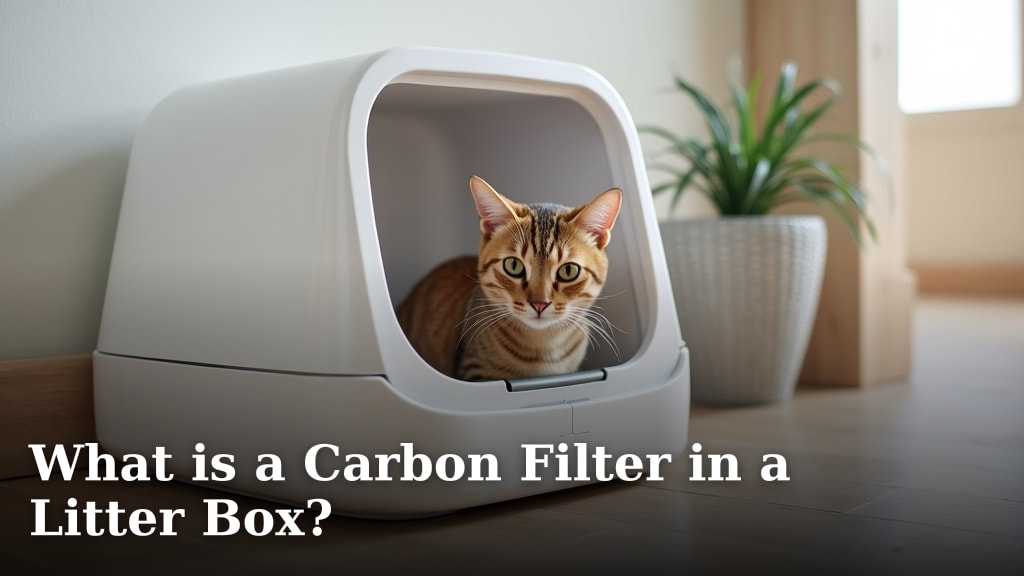
A carbon filter in a litter box is a special material designed to trap and neutralize odors. It works by using activated carbon, which has a porous structure that absorbs odor-causing molecules. This helps keep your home smelling fresher, even with a litter box present. You’ll often find these filters integrated into the litter box design itself.
When your cat uses the litter box, ammonia and other unpleasant smells are released. A carbon filter acts like a sponge for these smells. It’s a simple yet effective way to manage litter box odors, making it a popular choice for pet owners. Many types of litter boxes now include them to improve the user experience.
- Carbon filters use activated carbon to absorb smells.
- They help reduce unpleasant odors from the litter box.
- These filters are a simple way to keep your home smelling fresher.
- Many modern litter boxes come with built-in carbon filters.
Let’s break down what a carbon filter is and how it helps with litter box odors, so you can decide if it’s the right choice for you and your feline friend.
Understanding How Litter Box Carbon Filters Work
Ever wonder how some litter boxes seem to magically keep smells at bay? The secret often lies with a simple yet effective component: the carbon filter. You might have seen them advertised or noticed a little pouch or slot in your cat’s litter box. But what exactly is this filter, and how does it combat those less-than-pleasant odors?
A carbon filter in a litter box is essentially a small pad or cartridge that traps and neutralizes odors. It uses a material called activated carbon. This isn’t just your average charcoal. Activated carbon is processed in a way that makes it incredibly porous. Think of it like a sponge with millions of tiny holes. These holes are perfect for trapping odor-causing molecules from the air.
The Science Behind Odor Absorption
So, how does this porous material work its magic? It all comes down to a process called adsorption. Unlike absorption, where a substance soaks something up (like a paper towel soaking up spilled water), adsorption is when molecules stick to the surface of another material. Activated carbon’s vast surface area, thanks to its porous nature, provides countless spots for odor molecules to latch onto.
When your cat does their business, compounds like ammonia are released into the air. These compounds are the main culprits behind that strong litter box smell. As the air from the litter box passes through or near the carbon filter, these odor molecules get stuck to the activated carbon. They’re essentially pulled out of the air and held there, preventing them from spreading throughout your home.
This process is quite efficient for many common litter box smells. We found that the effectiveness often depends on the quality of the carbon and the filter’s design. Some filters are more robust than others, offering better odor control for longer periods.
What is Activated Carbon?
Activated carbon is a specially treated form of charcoal. It’s made by heating carbon-rich materials, like wood or coconut shells, in the absence of oxygen. This process creates a highly porous structure with an enormous internal surface area. This vast surface area is what makes it so effective at trapping impurities and odors. Many products, from water purifiers to air filters, use activated carbon for its exceptional adsorption capabilities.
Why Are Carbon Filters Used in Litter Boxes?
The primary goal of adding a carbon filter to a litter box is simple: to reduce and manage odors. Anyone with a cat knows that litter boxes can become a source of strong smells. These filters offer a passive way to combat that. Instead of needing to constantly clean the box (though regular cleaning is still essential!), the filter works quietly in the background.
Many litter box manufacturers include carbon filters as a standard feature in their designs. This is because pet owners consistently rank odor control as a top priority. A litter box with a carbon filter can make a noticeable difference in the freshness of your home environment. It helps create a more pleasant living space for both you and your feline companion. Many litter box manufacturers include a carbon filter as a standard feature in their designs.
Benefits for You and Your Cat
For you, the benefits are clear: a fresher-smelling home. This means fewer embarrassing moments when guests visit and a generally more pleasant atmosphere. No one wants their home to constantly smell like a litter box!
For your cat, a cleaner-smelling environment can also be beneficial. While cats are known for their grooming habits, they can be sensitive to strong odors. A well-ventilated litter box with odor control might encourage them to use it more reliably. Some experts suggest that cats may avoid a litter box that has an overpowering smell, potentially leading to accidents elsewhere. A carbon filter helps maintain a more neutral and appealing space for them.
Types of Carbon Filters You Might Find
Carbon filters aren’t one-size-fits-all. You’ll encounter them in a few different forms, depending on the litter box design. Understanding these can help you choose the right replacement filters or maintain your current setup.
Integrated Filters
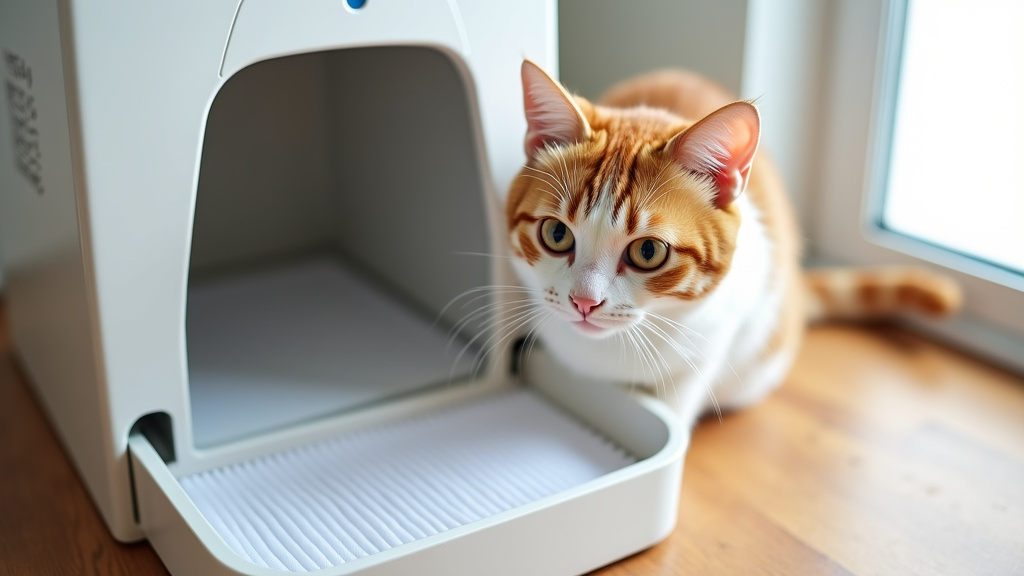
Many modern litter boxes come with built-in ventilation systems. These systems often incorporate a slot or compartment where a carbon filter pad can be placed. The litter box design usually encourages airflow, drawing air through the litter bed and then through the filter. These are typically flat, rectangular pads that fit snugly into their designated spot.
Standalone Filter Pouch Systems
Some older or simpler litter box designs might utilize a small mesh pouch filled with loose activated carbon pellets. This pouch is usually hung or attached somewhere near the top of the litter box, often near a ventilation opening. While these can be effective, they can sometimes be messier to handle when it’s time for a change.
Filter Cartridges for Hooded Boxes
Hooded litter boxes often have specific filter designs. The hood creates a contained environment, and a filter is usually placed in the roof or a side panel to allow air to escape while trapping odors. These might come as a specific cartridge that clicks into place.
Filter Size and Shape Variations
Even within these types, you’ll find variations in size and shape. It’s important to know the specific model of your litter box to purchase the correct replacement filters. Using the wrong size or shape might lead to a less effective seal, allowing odors to escape.
How Long Do Carbon Filters Last?
This is a question many cat owners ask, and the answer can vary. The lifespan of a carbon filter depends on a few key factors. The amount of odor being produced is a big one. If you have multiple cats or a cat that tends to produce stronger-smelling waste, the filter will likely become saturated faster.
The quality of the activated carbon also plays a role. Higher-quality carbon with a greater surface area will generally last longer. The size and thickness of the filter matter too; a larger, thicker filter can hold more odor molecules than a smaller, thinner one.
As a general guideline, most manufacturers recommend replacing carbon filters every 30 to 60 days. Some might suggest longer, while others might say sooner. We found that it’s often best to follow the manufacturer’s specific recommendations for your litter box model. You might also notice a decrease in odor control effectiveness before the recommended replacement time, which is a good sign it’s time for a fresh filter.
Signs Your Filter Needs Replacing
How do you know when it’s time for a new filter? Your nose is usually the best indicator! If you start noticing the litter box smell returning or becoming more pronounced, even with regular scooping, your filter is likely spent. It means the activated carbon is saturated and can no longer trap odor molecules effectively. Think of it like a sponge that can’t hold any more water – it’s full!
Maintaining Your Carbon Filter System
Keeping your carbon filter working its best is pretty straightforward. The most important thing is regular replacement. Don’t wait until the smell is overwhelming. Mark your calendar or set a reminder for when you last changed the filter.
Beyond replacement, there isn’t much active maintenance needed for the filter itself. However, ensuring the litter box has good airflow is crucial. If your litter box has ventilation holes or a fan system, make sure they aren’t blocked. Keeping the litter box itself clean by scooping daily and changing the litter regularly will also reduce the workload on the carbon filter.
When you do replace the filter, dispose of the old one properly. It has done its job of trapping odors, so you won’t want to leave it lying around!
Are Carbon Filters Worth It for Your Litter Box?
Ultimately, the decision to use a litter box with a carbon filter comes down to your priorities. For many cat owners, the improvement in air quality around the litter box area makes them a worthwhile investment. They offer a convenient way to combat odors without requiring extra effort beyond regular filter changes.
If you’re particularly sensitive to smells, live in a smaller space, or have multiple cats, a carbon filter can make a significant difference. It’s a simple technology that addresses a common pet owner concern. While it’s not a magic bullet that eliminates all litter box smells, it’s a very effective tool in your odor-control arsenal.
A Quick Checklist for Carbon Filter Users
To make sure you’re getting the most out of your carbon filter, consider this quick checklist:
- Know your filter type: Is it a pad, pouch, or cartridge?
- Follow replacement schedule: Aim for every 30-60 days, or as recommended.
- Check for signs of wear: Noticeable odor return means it’s time for a change.
- Ensure proper fit: Make sure the filter is seated correctly for good airflow.
- Keep litter box clean: Daily scooping reduces the load on the filter.
- Monitor airflow: Ensure ventilation openings on the box are clear.
Comparing Carbon Filters to Other Odor Control Methods
You might be wondering how carbon filters stack up against other ways to tackle litter box smells. It’s helpful to see them as part of a larger strategy.
| Method | How It Works | Pros | Cons | Best For |
|---|---|---|---|---|
| Carbon Filters | Adsorbs odor molecules onto activated carbon. | Easy to use, passive odor reduction, widely available. | Needs regular replacement, may not eliminate all odors. | Ongoing odor management, convenience. |
| Baking Soda | Absorbs odors and can help dry litter. | Inexpensive, readily available, can be mixed into litter. | Can create dust, may reduce litter clumping effectiveness, short-term. | Supplementing other methods, budget-conscious. |
| Scented Litter/Sprays | Masks odors with fragrance. | Pleasant smell for humans, can be effective immediately. | Can be overwhelming for cats’ sensitive noses, doesn’t remove odor source. | Temporary masking, personal preference for scent. |
| Litter Box Liners | Creates a barrier to contain waste and smells. | Easier cleanup, can reduce litter box wear. | Cats may chew or scratch them, not a direct odor absorber. | Convenience in cleaning, protecting the box. |
| Frequent Cleaning/Scooping | Removes odor sources promptly. | Most effective way to eliminate odors at the source. | Requires consistent daily effort. | All litter box users, foundational for odor control. |
As you can see, carbon filters are excellent for passive, ongoing odor reduction. They work best when used in conjunction with a clean litter box and regular scooping. While scented products might offer a quick fix, they can sometimes be off-putting to your cat. Baking soda is a decent budget option, but it doesn’t offer the same sustained adsorption as activated carbon. Ultimately, a combination of methods often yields the best results for a truly fresh-smelling home.
Conclusion
You’ve learned that a carbon filter is a key player in keeping your home smelling fresh. It uses activated carbon to effectively trap and neutralize litter box odors. This simple yet powerful technology can make a real difference in your living environment.
Remember, regular replacement is crucial for optimal performance. By understanding how these filters work and maintaining them properly, you ensure a more pleasant space for both you and your cat. For a fresher home, make sure to choose a litter box with a carbon filter and stick to a replacement schedule.
Frequently Asked Questions
Can I use any carbon filter with my litter box?
No, it’s best to use filters designed specifically for your litter box model. Different boxes have unique shapes and sizes for their filter slots. Using the wrong filter might mean a poor seal and less effective odor control.
Do carbon filters stop ALL litter box smells?
Carbon filters significantly reduce common litter box odors like ammonia. However, they don’t eliminate every single smell instantly. They work best as part of a regular cleaning routine, trapping odors that pass through them.
Can I wash and reuse a carbon filter?
Generally, no, carbon filters are not designed to be washed and reused. The activated carbon becomes saturated with odor molecules over time. Washing them won’t reactivate the carbon; you’ll need to replace them for continued effectiveness.
How often should I really check if my carbon filter needs replacing?
While 30-60 days is a common guideline, trust your nose. If you start noticing litter box smells returning even after scooping, it’s a clear sign the filter is saturated. Check it more often if you have multiple cats or if smells seem strong.
Are there litter boxes that don’t use carbon filters?
Yes, many litter boxes do not come with built-in carbon filters. These might rely solely on the litter itself or require you to add odor-control additives. If odor control is a priority, look for models that specifically mention integrated carbon filters.