How to Clean a Litter-Robot
To clean a Litter-Robot, empty the waste drawer, remove and wash the safe-to-clean parts, wipe the base, and let everything dry fully before reassembly. Routine cleaning supports the automatic cycle but does not replace regular washing and inspection.
On this page (9 sections)
- How often should you clean a Litter-Robot?
- What should you do before washing the unit?
- How do you wash the Litter-Robot globe?
- How do you clean the base and sensors?
- What litter and replacement supplies make cleaning easier?
- How do you clean litter buildup around the waste area?
- How do you reassemble a clean Litter-Robot?
- How can you reduce cleaning between deep washes?
- What is the simplest Litter-Robot cleaning routine?
To clean a Litter-Robot, empty the waste drawer, remove the washable parts, wash away litter residue, wipe the base, and dry everything fully before reassembly. The automatic cycle removes waste after use, but it does not replace routine washing and maintenance.
Before starting, turn the unit off and unplug it if your model's instructions call for that step. Move your cat away from the work area, prepare a trash bag, and have mild soap, water, soft cloths, and a dry towel ready.
How often should you clean a Litter-Robot?
Clean the waste drawer frequently and wash the removable parts regularly. The right schedule depends on the number of cats, how much litter they use, odor, and visible buildup.
A quick spot-clean may be needed every few days. A deeper clean usually includes removing the globe, emptying trapped litter, washing approved parts, and wiping the base.
If you are learning how to use a self cleaning cat litter box, remember that automatic cleaning handles the waste cycle, not every part of daily care.
What should you do before washing the unit?
Empty the waste drawer and remove loose litter before adding water. This keeps wet litter from turning into paste and makes the rest of the job easier.
Open the waste compartment and seal the used liner or bag. Brush or vacuum loose litter from the surrounding area, but keep dust away from vents, sensors, and electrical openings.
Remove the globe and other parts only as described in the manual. A Litter-Robot 4 may have different removal steps from an older model, so use the guide for how to use a Litter-Robot 4 when that is your unit.
How do you wash the Litter-Robot globe?
Empty the globe completely, rinse away loose litter, wash it with a mild cleaner if allowed, and let it dry before reinstalling it. Do not soak the electronic base with the globe.
Turn the globe so remaining litter falls into a trash bag or container. Check the waste port, corners, and seals for clumps or dust.
A soft brush can help loosen buildup without scratching the surface.
Rinse the globe thoroughly. Let it air-dry or wipe it with a clean towel, then leave it open until no moisture remains.
Water trapped inside can mix with fresh litter or reach areas that should stay dry.
For model-specific steps, see how to clean a Litter-Robot 4 or how to clean a Litter-Robot 3.
How do you clean the base and sensors?
Wipe the base with a soft, slightly damp cloth and keep water away from electronics, vents, and sensor openings. Never pour water over the base or place it in a sink or tub.
Use a dry cloth around the sensor area first. If litter dust remains, use gentle strokes to move it away from openings.
Do not press debris deeper into the unit.
Clean the floor under and around the robot too. Litter dust, urine residue, and tracked particles can collect beneath the unit even when the automatic cycle works normally.
If the unit shows an error after cleaning, stop and check the manual before running another cycle. A wet sensor or incorrectly seated part can affect operation.
What litter and replacement supplies make cleaning easier?
The right litter system can reduce tracking, odor, and the amount of residue around the box, but compatibility comes first. Use only litter approved for your Litter-Robot model.
The PetSafe ScoopFree refill is designed for PetSafe ScoopFree self-cleaning cat litter boxes, not automatically for a Litter-Robot. Its crystal-filled disposable tray has a plastic lining and low-tracking, 99% dust-free crystals.
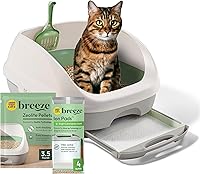
The Purina Tidy Cats Breeze system uses Zeolite pellets and Ion pads in an open box system. It is a separate setup, so it is useful for readers comparing cleaning methods rather than replacing Litter-Robot litter.
Check your Litter-Robot instructions before changing litter. What kind of litter works in a self cleaning litter box? explains why litter type affects clumping, tracking, and cleaning.
How do you clean litter buildup around the waste area?
Remove stuck litter with a soft brush or damp cloth after the residue has loosened. Avoid sharp tools that can scratch plastic, damage seals, or push debris into openings.
Inspect the waste port and the area where clumps leave the globe. Remove buildup before it becomes thick enough to interfere with movement.
Wipe the drawer rails and the floor beneath the drawer. Replace the liner or bag if the drawer smells, leaks, or has residue on its sides.
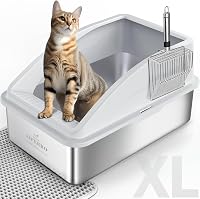
The Nature's Miracle Hooded Flip Top Cat Litter Box is a separate manual box with a charcoal filter, hood, and flip-top front opening. Its design may suit someone who prefers direct access for wiping instead of a rotating automatic unit.
How do you reassemble a clean Litter-Robot?
Reinstall every dry part in the order shown by the manual, then check that the globe, drawer, liner, and waste area sit correctly. A part that is damp or out of position can cause tracking, odors, or operating errors.
Add the correct litter amount after the globe is dry. Too much litter can affect the cycle, while too little may reduce odor control and leave waste exposed.
Reconnect power only after the base and nearby floor are dry. Run the unit's normal cycle or reset procedure if your model requires one, then watch for unusual noise or an error message.
How can you reduce cleaning between deep washes?
Empty the drawer before it becomes overfilled, remove tracked litter quickly, and keep the area around the robot dry. These small tasks reduce odor and prevent residue from spreading.
Use a mat that is safe for your cat and easy to shake or wipe. Keep the unit away from splashing water, and do not place damp litter back inside.
If you are deciding whether automatic cleaning is right for your home, how do automatic litter boxes know when to clean? explains the sensors and timing behind the cycle.
What is the simplest Litter-Robot cleaning routine?
Empty the drawer, inspect the waste path, wipe the base, wash the removable parts, dry them completely, and reassemble carefully. Repeat spot-cleaning when you see buildup instead of waiting for odors or stuck litter.
Choose cleaning supplies and litter that match your exact model. Pick a compatible automatic system if reducing daily scooping matters, or choose a simple manual box if direct washing and access are your priorities.
The main rule is simple: let the automatic cycle handle routine waste removal, then give the unit a full clean before residue, moisture, or litter dust can affect the next cycle.
Frequently asked questions
How often should you clean a Litter-Robot?
Empty the waste drawer when it is nearly full and spot-clean the litter area as needed. Wash the globe and other removable parts on a regular schedule based on the number of cats, litter use, odor, and visible buildup.
Follow your model's manual for exact cleaning intervals.
Can you wash the Litter-Robot globe?
Yes, the globe can generally be washed after you remove it from the base, but check the manual for your model first. Empty all litter, rinse away residue, use a mild cleaner if allowed, and let the globe dry completely before putting it back.
Can you use bleach to clean a Litter-Robot?
Avoid bleach unless your model's instructions specifically allow it. A mild, cat-safe cleaner and thorough rinsing are safer defaults for removable parts.
Never mix cleaning products, and keep cleaners away from your cat until every washed part is dry and free of residue.
How do you clean the Litter-Robot sensor area?
Wipe the sensor area with a dry or lightly damp soft cloth, following the model manual. Remove loose litter without pushing debris into openings, and never soak the electronic base.
If an error continues after cleaning, use the manufacturer's troubleshooting steps.