What is a Step Free Automatic Litter Box?
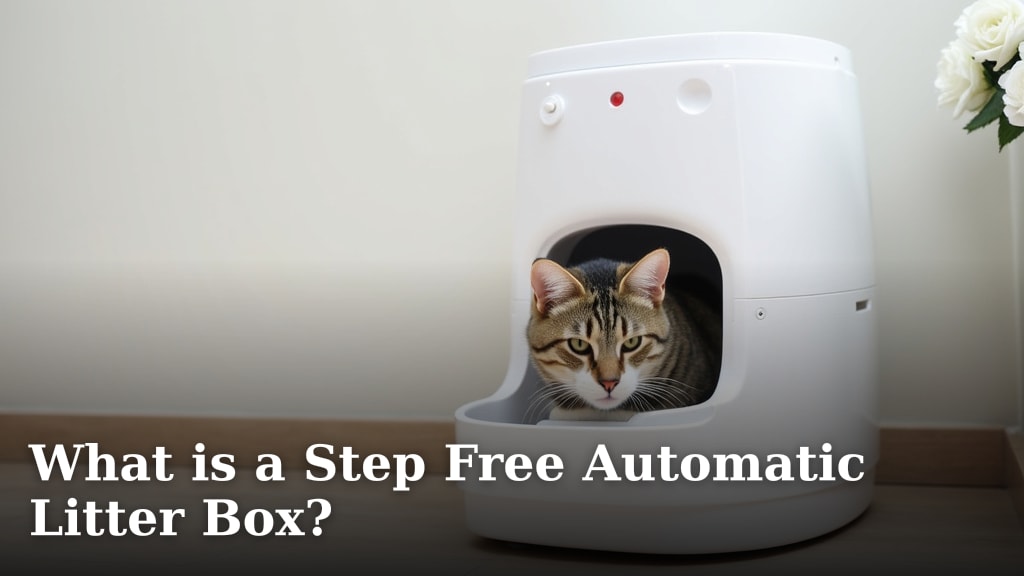
A step free automatic litter box is a self-cleaning cat toilet designed without any steps for your cat to climb. This makes it incredibly easy for cats of all ages and mobility levels to access. You can stop scooping daily and offer your cat a consistently clean place to go. It’s a smart solution for busy pet parents.
These innovative boxes use sensors to detect when a cat has used them. Then, a rake or rotating drum moves through the litter, scooping waste into a sealed compartment. This reduces odor and keeps the main litter area clean for your feline friend. Many models offer app connectivity for monitoring and alerts.
- It’s a self-cleaning cat toilet.
- It has no steps, making it accessible for all cats.
- It automatically scoops waste into a separate bin.
- This helps reduce odor and keeps the litter clean.
- Many offer app notifications for peace of mind.
Let’s break down exactly what makes a step free automatic litter box different and how it can benefit both you and your cat.
Understanding the Step Free Automatic Litter Box Design
A step free automatic litter box is a modern solution for cat owners seeking convenience and a cleaner home. Its primary difference lies in its accessibility. Unlike traditional automatic boxes that often have a tall entry lip or require climbing steps, this design eliminates those barriers entirely.
This means your cat doesn’t need to jump or step up to get inside. This is a big deal for many felines. It makes the box usable for older cats, kittens, and those with physical challenges.
Key Design Features: What Makes It Step Free?
The “step free” aspect refers to the entry point of the litter box. Instead of a high wall, it features a low threshold. Think of it like a ramp or a gently sloped entrance. This lower entry is usually just a few inches off the ground.
Some models might have a slightly raised edge to contain litter. But the main goal is to make it easy for any cat to walk right in. This thoughtful design considers your cat’s physical comfort.
Comparing Entry Heights
We found that many standard automatic litter boxes have entry heights of 6 to 8 inches. This can be a hurdle for smaller cats or older cats with stiff joints. Step free models typically offer an entry point of 3 to 5 inches. This small difference makes a huge impact on ease of use.
The opening is wide enough for most cats to enter comfortably. This design is intentional, ensuring that no cat is excluded from using the facility.
How the Self-Cleaning Mechanism Works
Once your cat leaves the litter box, sensors detect their exit. These sensors can be weight-based or motion-activated. After a set delay, the cleaning cycle begins.
The most common method involves a rake. This rake sweeps through the litter. It collects solid waste and deposits it into a hidden receptacle. Some models use a rotating drum that tumbles the litter. This action separates the waste and funnels it away.
The Waste Management System
The scooped or tumbled waste lands in a sealed drawer or bag. This compartment is designed to trap odors. It typically holds several days’ worth of waste. This means you don’t have to scoop every single day.
You’ll only need to empty the waste drawer when it’s full. This usually happens every few days or even up to a week, depending on how many cats you have and their habits.
Benefits for Your Cat: Comfort and Health
The primary benefit for your cat is unrestricted access. This is especially important for senior cats or those recovering from injury. A comfortable cat is a happy cat.
A consistently clean litter box encourages good litter habits. Cats are naturally clean animals. They prefer to use a box that isn’t soiled. This design ensures the litter is always fresh.
Accessibility for All Ages and Abilities
Imagine trying to climb into a high bathtub if you had arthritis. That’s what a high-entry litter box can feel like for some cats. Step free designs remove this stress.
For kittens, the low entry prevents them from struggling. For older cats, it means they can maintain their independence. It’s about making life easier for your furry family member.
Reducing Litter Box Anxiety
For some cats, a dirty litter box can cause anxiety. They might start avoiding it altogether. This can lead to accidents outside the box. A step free automatic box helps prevent this by always being clean.
The automated cleaning cycle means your cat always has a pristine surface. This can significantly reduce stress related to elimination. We found that cats tend to use the box more reliably.
Promoting Better Hydration and Health Monitoring
While not all step free automatic boxes do this, some advanced models offer health tracking features. They can monitor how often your cat uses the box and for how long.
This data can be invaluable for spotting health issues early. Changes in urination frequency or duration could signal problems like urinary tract infections or kidney disease. These insights can help you consult your veterinarian sooner.
Weight Sensing Technology
Many of these smart boxes use built-in scales. They weigh your cat each time they use the box. Tracking this weight over time can help detect unexpected weight loss or gain.
This feature is a simple way to keep an eye on your cat’s overall well-being without direct intervention. It’s like a silent health checkup.
Benefits for You: Convenience and Cleanliness
Let’s be honest, scooping the litter box is not a favorite chore for most people. A step free automatic litter box automates this task. This saves you time and effort.
Instead of scooping daily, you’ll just empty the waste compartment every few days. This is a significant reduction in your cleaning duties. It’s a welcome relief for busy individuals.
Odor Control: A Major Advantage
The sealed waste compartment is key to odor control. By whisking waste away and sealing it, the box prevents smells from escaping into your home. This can drastically improve the air quality in your living space.
Many models also use carbon filters to further absorb odors. The result is a much fresher-smelling home, even with multiple cats. This is a big win for anyone sensitive to pet odors.
Reduced Dust and Tracking
Some automatic litter boxes can stir up a lot of litter dust. This can be an issue for people with allergies. Many step free designs are engineered to minimize dust. They use specialized rakes or tumbling mechanisms that are gentler on the litter.
The low entry also helps reduce litter tracking. Cats often step out and carry litter on their paws. A lower threshold means less litter can get caught and tracked around your home.
Smart Features and Connectivity
Modern step free automatic litter boxes often come with smart technology. They can connect to your home Wi-Fi network.
You can then use a smartphone app to monitor the box. The app might notify you when the waste drawer is full. It can also provide health data if the box tracks weight and usage.
App Notifications and Alerts
Getting an alert on your phone is much more convenient than checking the box regularly. You’ll know exactly when it needs attention. This remote monitoring offers peace of mind.
Some apps allow you to manually start a cleaning cycle if needed. You can also often see usage history. This data can be helpful when discussing your cat’s health with your vet.
Considerations Before You Buy
While these boxes offer many advantages, there are a few things to think about. The initial cost is higher than a standard litter box. It’s an investment in convenience and your cat’s comfort.
You also need to consider the size of the box. Ensure it’s large enough for your cat to comfortably turn around in. Some cats are quite large and need ample space.
Choosing the Right Litter
Not all litter types work well with automatic boxes. Clumping litter is usually required. Non-clumping litter can clog the mechanism. Always check the manufacturer’s recommendations for litter type and depth.
Using the wrong litter could damage the box or lead to poor cleaning. It’s best to stick to what the manual advises. We found that fine-grained clumping litters work best.
Understanding the Cleaning Cycle
Most automatic boxes have a delay before cleaning. This gives your cat time to leave the area. Some cats are startled by the noise or movement. You might need to introduce your cat to the box gradually.
Supervising your cat’s first few uses can help. You can also manually run the cleaning cycle when they are not around initially. This helps them get used to the sounds.
Maintenance Beyond Waste Disposal
While the daily scooping is gone, these boxes still need regular cleaning. You’ll need to periodically empty the litter. Then, you can wash the interior components to keep it hygienic.
The frequency of deep cleaning will depend on the model and how many cats use it. Most manufacturers recommend a full litter change and wash every few weeks. This ensures the box remains sanitary.
Here’s a quick checklist to help you decide:
- Does your cat have mobility issues?
- Are you looking to reduce daily chores?
- Is odor control a priority in your home?
- Do you appreciate smart home technology and app features?
- Are you prepared for the initial investment?
- Can you commit to periodic deep cleaning?
Conclusion
A step free automatic litter box truly simplifies life for both you and your cat. By removing the barrier of entry, it ensures comfortable access for felines of all ages and abilities. You gain the convenience of reduced scooping and better odor control. Your cat enjoys a consistently clean and stress-free bathroom. If you’re looking for an easier way to manage litter box duty while prioritizing your cat’s comfort, exploring these accessible automatic models is a smart next step.
Frequently Asked Questions
Can a step free automatic litter box help with a cat that avoids the litter box?
Yes, a step free automatic litter box can help. Cats may avoid traditional boxes if they are difficult to enter or consistently dirty. The low entry and self-cleaning features of this type of box provide a more appealing and hygienic option. This can reduce anxiety and encourage your cat to use the box reliably.
What is the average lifespan of a step free automatic litter box?
The lifespan of a step free automatic litter box can vary by brand and model. Generally, you can expect them to last between 3 to 5 years. Proper maintenance, like regular deep cleaning and using the recommended litter type, can help extend its life.
How do I introduce my cat to a new automatic litter box?
Introduce your cat gradually. Place the new box near their old one. Allow them to explore it on their own terms without forcing them. You can manually run the cleaning cycle when they are not present initially. This helps them get used to the sounds and movement.
Are step free automatic litter boxes suitable for multiple cats?
Yes, they can be excellent for multiple cats, especially if you have a busy household. The automatic cleaning ensures the box is always ready for the next cat. This reduces competition and territorial disputes over litter box use. Just be sure to choose a model with a larger capacity waste bin.
Do I still need to deep clean a step free automatic litter box?
Absolutely. While the daily scooping is automated, these boxes still require periodic deep cleaning. You’ll need to empty the litter completely and wash the interior components every few weeks. This keeps the entire system sanitary and functioning optimally.