How to Use Wood Pellet Cat Litter
Fill the box with dry wood pellets, remove solid waste daily, and sift out the sawdust as pellets break down. Add fresh pellets as needed and replace the litter when it is dirty or no longer controls odor.
On this page (6 sections)
To use wood pellet cat litter, fill a clean box with dry pellets, remove solid waste daily, and sift out sawdust as the pellets break down. Top up with fresh pellets, and replace the litter when it is dirty or no longer controls odor.
Wood pellets work differently from clumping litter: broken-down pellets become sawdust, which you remove separately. A sifting box can help with that job, while a regular pan works if you are willing to scoop and clear the sawdust by hand.
How do you use wood pellet cat litter?
Add dry pellets to a clean litter box, remove solid waste each day, and separate sawdust regularly. Follow the instructions for your litter and box, since the right fill level depends on their design.
- Pour dry pellets into the box, spreading them in an even layer.
- Remove solid waste with a scoop each day.
- Sift the pellets when sawdust builds up.
- Remove the sawdust and add fresh pellets as needed.
- Empty, wash, and refill the box when the litter is dirty or smells unpleasant.
Introduce a new litter gradually if your cat is unsure. Keep a familiar box available during the change and watch whether your cat uses the new setup.
If you want a broader introduction to pellet routines, see how to use cat litter pellets. For another plant-based litter option, our guide explains how to use tofu cat litter.
Why do wood pellets turn into sawdust?
Pellets break down into sawdust when they absorb moisture. In a single-layer pan, you can remove the wet or broken material by hand; a sifting setup lets loose sawdust fall away from pellets that remain intact.
The amount of sawdust depends on how much moisture reaches the pellets and how often you clean the box. Check beneath the usable pellets, too, because fine material can collect at the bottom.
Don't wait until sawdust fills the box. Removing it on a regular schedule helps keep the remaining pellets easier to sift and the litter area tidier.
How do you sift pine pellets for cat litter?
Lift or pour the pellet layer through a sifter so broken-down sawdust separates from intact pellets. Empty the sawdust from the lower tray, then return or top up the usable pellets according to the box instructions.
A sifting box needs openings that let sawdust through while holding the pellets. The best cat litter boxes for pine pellets can help you compare styles built around that separation.
The Paulmele Stainless Steel Sifting Litter Box is designed for pine pellets, with holes in its sifting pan and a lower tray for sawdust.
Use a gentle shake, following the box instructions, so you separate material without scattering pellets. Remove the sawdust from the bottom tray before it accumulates.
How often should you clean and change the pellets?
Scoop solid waste daily and remove sawdust whenever enough has collected to make sifting worthwhile. Replace all the litter when it is dirty, stays damp, or no longer controls odor.
There isn't one schedule that fits every home. The number of cats, box size, pellet depth, and cleaning routine all affect how quickly litter needs attention.
If your cat needs more room, compare extra large cat litter boxes.
Wash and dry the box before adding a full fresh fill. A sealed, dry container can help keep unused pellets clean; compare options in our guide to best cat litter storage.
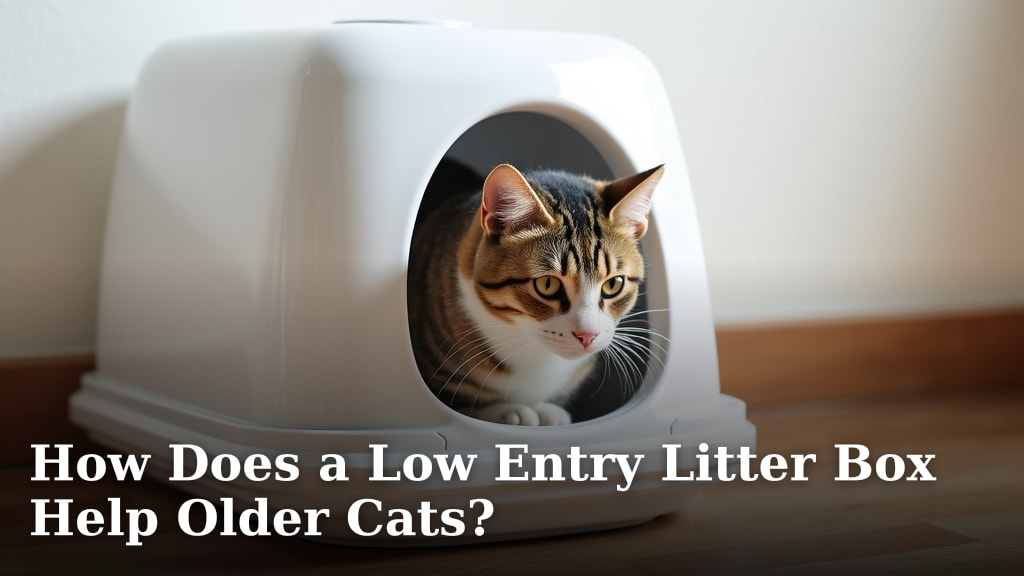
Keep the box in a place your cat can reach easily. If your automatic box has a high entry, Litter-Robot 4 ramps and steps can make access easier for cats that need help.
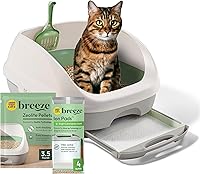
Our guide to the Tidy Cats Breeze litter box explains how its pellet-and-pad setup separates solid waste from urine.
Which box works for wood pellet cat litter?
A regular pan works if you can remove broken pellets and sawdust by hand. A sifting box is useful if you want the sawdust to fall into a separate tray during cleaning.
The AIPERRO Stainless Steel Litter Box is described as suitable for all types of cat litter, and it includes an all-metal scoop with a sifting design.
The Purina Tidy Cats Breeze Cat Litter Box is a separate pellet-and-pad system. Its Zeolite pellets let urine pass through to an absorbent pad below, while solid waste stays on top for removal.
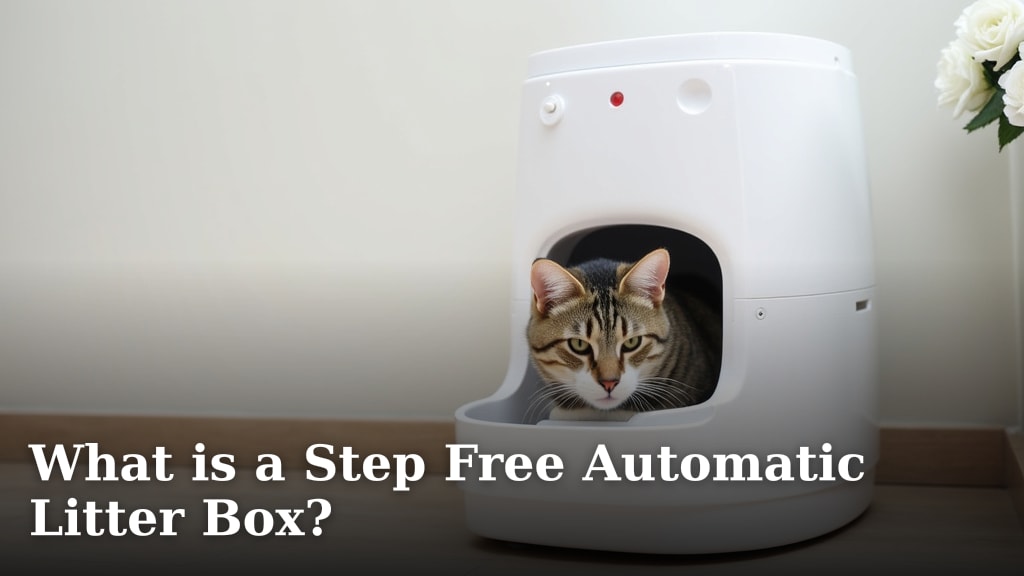
These boxes use different approaches, so check that the setup fits the litter you plan to use. Read about automatic litter boxes for pine pellets before assuming an automatic box will handle a pellet-and-sawdust routine.
What should you do if your cat avoids the pellets?
Keep the box clean and give your cat time to adjust to the new texture. If the change is abrupt, offer the old litter in a second box while your cat gets used to the pellets.
Place the boxes near each other but leave enough room for easy access. Avoid changing the litter, box location, and box style all at once, so you can tell which change your cat accepts.
If avoidance continues, return to the familiar setup and ask a veterinarian for advice about ongoing litter-box changes. A sudden change in bathroom habits can have causes beyond litter preference.
How do you use wood pellet cat litter day to day?
For a steady routine, scoop solid waste daily, sift out sawdust as it builds up, and add fresh pellets to maintain the fill. Empty and wash the box when the remaining litter becomes dirty or loses odor control.
Choose a standard pan if you prefer hand removal, or a sifting design if separating sawdust is your main concern. If you're considering a different box style, read do automatic cat litter boxes really work? before choosing one for pellets.
Frequently asked questions
How much wood pellet cat litter should you use?
Use enough dry pellets to cover the box floor, then follow the litter or box instructions for the recommended depth. A sifting box may need a different amount than a standard pan.
Keep the layer deep enough for your cat to use comfortably, and top it up as pellets are removed.
How often should you change wood pellet cat litter?
Remove solid waste daily and sift out sawdust as it builds up. Replace the remaining pellets when they look dirty, smell unpleasant, or stop absorbing well.
How quickly that happens depends on the box, the number of cats, and how much litter they use.
Can you flush wood pellet cat litter?
Don't flush wood pellets or sawdust unless the product instructions and local wastewater rules clearly allow it. Pellets can swell or break down in water, and litter can clog plumbing.
Bag used litter and dispose of it with household waste according to local rules.
Do wood pellets need a special litter box?
No, a regular litter pan can hold wood pellets, but a sifting box can make separating sawdust easier. Check the sifter's holes and instructions to make sure they suit your pellet size.
A standard pan works if you prefer to scoop and remove broken-down material by hand.