Automatic Litter Box for Pine Pellets: Explained
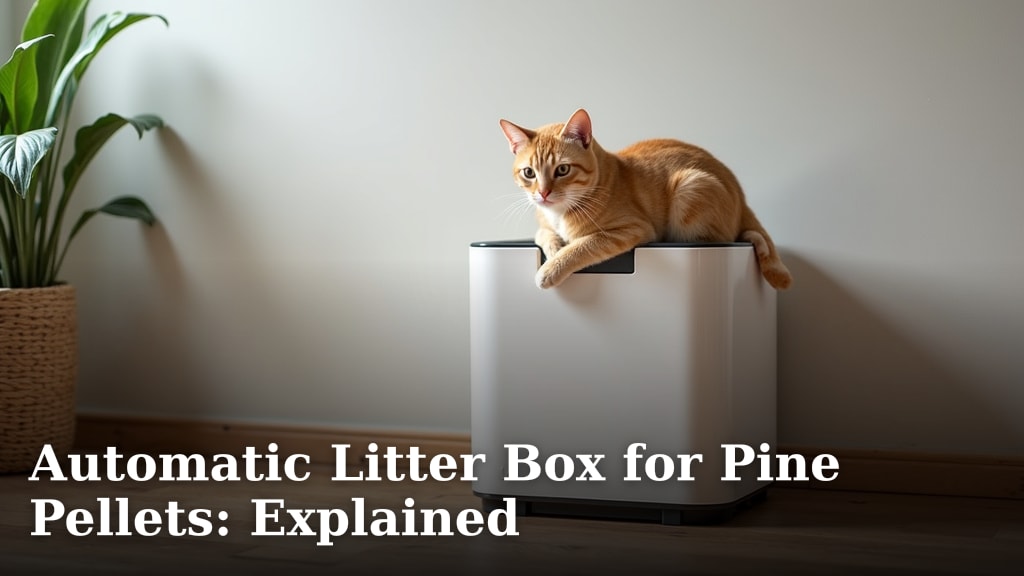
Yes, automatic litter boxes can work well with pine pellets, but not all are designed for them. Many automatic models are made for clumping clay litter, which behaves very differently. You need to look for ones specifically stated as compatible with non-clumping litters like pine pellets to avoid issues.
Pine pellets offer benefits like being odor-controlling and dust-free compared to traditional clay. When choosing an automatic box for them, consider how it handles the way pine pellets break down into sawdust. This difference is key to a smooth, mess-free experience for you and your cat.
- Automatic litter boxes can use pine pellets.
- Look for models that explicitly support non-clumping litters.
- Pine pellets are good for odor and dust control.
- Understand how pellets turn into sawdust in the box.
- Proper selection leads to a cleaner home.
Let’s dive into what makes an automatic litter box suitable for pine pellets and what features to watch out for. We’ll help you find the right fit for your furry friend and your home.
Using Pine Pellets in Automatic Litter Boxes
So, you’re thinking about an automatic litter box for your cat, but you love using pine pellets? That’s a smart move. Pine pellets are great for controlling odors and are much less dusty than traditional clay litter. But the big question is: do they work with automatic boxes? The answer is a definite yes, with a few important things to keep in mind.
Many automatic litter boxes are designed for clumping clay litter. This type of litter forms solid clumps when wet. Pine pellets, on the other hand, are non-clumping. They break down into sawdust when they absorb moisture. This difference in how they handle waste is key. You need to choose an automatic box that’s built to handle this change. We’ll walk you through what to look for.
Understanding How Pine Pellets Work in an Auto Box
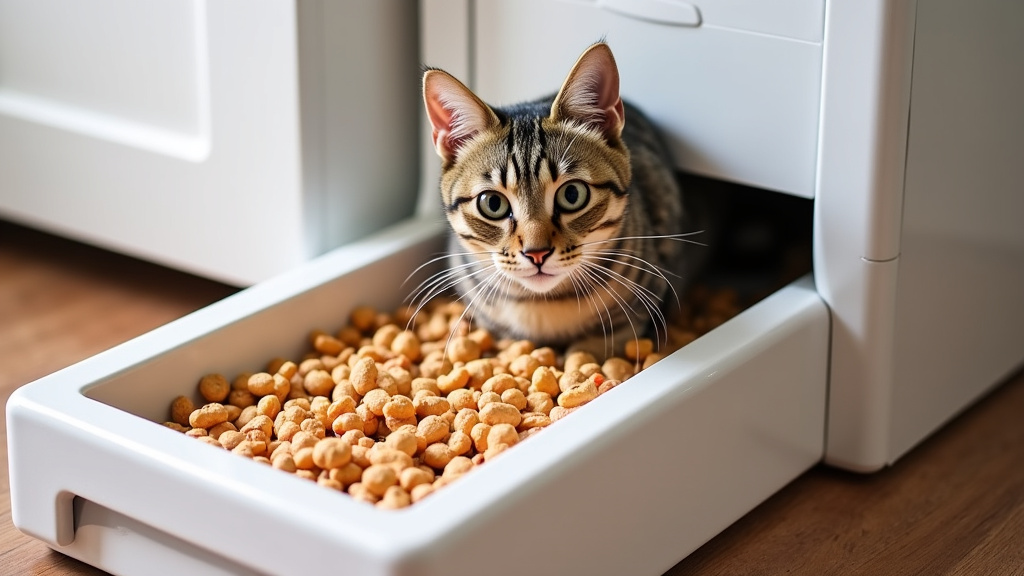
Pine pellets start as solid cylinders of compressed pine wood. When your cat uses the litter box, their urine soaks into the pellets. The pine wood absorbs the moisture and then breaks apart. It turns into sawdust at the bottom of the litter box. Feces, on the other hand, will often just sit on top or become dry if they are not immediately scooped.
This transformation from pellet to sawdust is what makes them great for odor control. The pine itself has a natural, pleasant scent that helps mask unpleasant smells. It also means the litter box will fill with sawdust over time. The automatic mechanism needs to be able to separate the solid waste and the sawdust from the remaining pellets. It also needs to handle the increased volume from the sawdust.
The Sawdust Factor: What You Need to Know
The sawdust created by pine pellets can be a challenge for some automatic litter boxes. If a box isn’t designed for it, the sawdust can clog the moving parts or fall into areas where it shouldn’t. This can lead to the box not functioning correctly. It might even jam, leaving you with a mess to clean up.
Some automatic boxes have sifting mechanisms that work by raking or rotating. These are generally better for pine pellets. A rake can push solid waste into a compartment. It can also push the sawdust through the grate, leaving clean pellets behind. A rotating drum often separates waste by tumbling and sifting. These methods are more likely to handle the fine particles of sawdust without issue.
Features to Look for in an Automatic Litter Box for Pine Pellets
When you’re shopping for an automatic litter box that can handle pine pellets, a few key features stand out. Prioritize those designed for non-clumping litters. This is the most important piece of advice we can give you. Otherwise, you might find yourself with a very expensive paperweight.
Compatibility with Non-Clumping Litters is Key
This might seem obvious, but it’s worth repeating. Read the product description very carefully. Manufacturers will usually state if their box works with clumping, non-clumping, or both types of litter. If it doesn’t explicitly mention non-clumping litters, especially pine pellets, assume it’s not compatible. Some brands might use generic terms like “natural litters,” which could include pine.
We found that boxes that use a rake or a conveyor belt system are often more successful with pine pellets. The rake can push waste and sawdust through a sieve. The conveyor belt can lift waste and deposit it into a bin. These mechanical actions tend to be less prone to getting clogged by the fine sawdust particles.
The Sifting Mechanism Matters
There are a few main types of sifting mechanisms in automatic litter boxes: raking, rolling/tumbling, and conveyor belts. Each has its pros and cons when it comes to pine pellets.
Raking Systems
A rake sweeps across the litter bed, pushing solid waste and clumps into a waste drawer. For pine pellets, a rake needs to be sturdy enough to push the waste without bending. It also needs to be designed so that sawdust doesn’t get caught in its teeth. Some rakes have wider spacing between teeth, which can help with sawdust.
Rolling or Tumbling Systems
These boxes often have a drum that rotates. The litter tumbles inside, and waste is separated through a sieve. This can be effective for pine pellets because the tumbling action can help break down any larger pieces. The sieve design is critical here to ensure sawdust falls through but waste is retained.
Conveyor Belt Systems
Less common, but some models use a conveyor belt to lift waste out of the litter bed. This method can be very effective for pine pellets. The belt moves the waste and sawdust away from the clean litter. It then deposits it into a waste receptacle.
Capacity and Size of the Waste Bin
Because pine pellets turn into sawdust, the volume of waste can increase significantly. This means you might need to empty the waste bin more often than if you were using clumping litter. Look for a box with a reasonably large waste bin. Consider how often you want to deal with emptying it. A larger bin means fewer interruptions for you.
Ease of Cleaning and Maintenance
Even with an automatic box, regular cleaning is necessary. You’ll want a box where you can easily remove and clean the rake, drum, or conveyor belt. Pine pellets can sometimes leave a residue. Being able to access and wipe down the parts will keep the machine running smoothly. Check reviews to see how easily users report cleaning these components.
A Quick Comparison of Common Auto Box Types with Pine Pellets
To help you visualize, let’s look at how different types of automatic litter boxes might handle pine pellets. It’s not an exact science, as designs vary greatly, but this gives you a general idea.
| Type of Automatic Box | How it Generally Works with Pine Pellets | Potential Issues with Pine Pellets |
|---|---|---|
| Rake System | Can push waste and sawdust through a sieve. Good for separating solids. | Sawdust can clog rake teeth if spacing is too tight. Needs sturdy rake. |
| Rolling/Tumbling Drum | Tumbling action can break down waste. Sieve separates sawdust. | Sawdust can accumulate in drum mechanisms. Sieve must be fine enough for sawdust. |
| Conveyor Belt | Lifts waste and sawdust effectively. Minimizes contact with clean litter. | Less common design. Can be more complex if it breaks. |
| Self-Cleaning Drawer (often with a sieve) | Waste is often sifted through a drawer. | May struggle with the fine, powdery nature of the sawdust. |
We found that many cat owners have success with rake-style systems, provided the rake is well-designed. The key is that the box is explicitly stated to be compatible with non-clumping litters.
Tips for Success with Your Automatic Pine Pellet Litter Box
Once you’ve chosen your automatic litter box, there are a few things you can do to ensure a smooth transition for your cat and keep the box running efficiently.
- Start Slow: Introduce the new box gradually. Let your cat explore it first. You can even keep their old litter box available for a while.
- Proper Litter Depth: Ensure you have the right amount of pine pellets. Too little, and the mechanism might not engage properly. Too much, and it could jam. Check the manufacturer’s recommendation.
- Regular Wiping Down: Even with automation, a quick wipe of the rake, drum, or sensors every week can prevent buildup. Think of it as giving the machine a little spa day.
- Monitor for Issues: Keep an eye on the box for any strange noises or error lights. Address any problems promptly before they become major.
- Know When to Empty: Don’t let the waste bin overflow. Frequent emptying, even if it seems early, is better than dealing with a jam or overflow.
Your cat will appreciate a clean, functional litter box. And you’ll appreciate less scooping and fewer odors. Finding the right automatic litter box for pine pellets makes a big difference in your daily routine.
Conclusion
You’ve learned that automatic litter boxes can work well with pine pellets, but it requires careful selection. The key is finding a model designed for non-clumping litters that can handle the transformation into sawdust. Look for features like robust raking or tumbling mechanisms and adequate waste bin capacity. By prioritizing compatibility and understanding how pine pellets work, you can set yourself up for a cleaner home and less daily litter box duty. Your next step is to check product descriptions for specific mentions of non-clumping litter support before you buy.
Frequently Asked Questions
Will my automatic litter box jam if I use pine pellets?
Some automatic litter boxes might jam with pine pellets if they are primarily designed for clumping clay litter. The fine sawdust created by pine pellets can clog moving parts. We found that models explicitly stated as compatible with non-clumping litters are much less likely to jam.
How often do I need to empty the waste bin with pine pellets?
You might need to empty the waste bin more frequently when using pine pellets compared to clumping litter. This is because the pellets break down into sawdust, increasing the volume of waste. Check the capacity of the bin and be prepared for more regular emptying.
Can I mix pine pellets with other types of litter in an automatic box?
It’s generally best to stick to just pine pellets in automatic boxes designed for them. Mixing litters can interfere with how the automatic mechanism works and might cause unexpected clogs or sorting issues. Always follow the manufacturer’s recommendations for litter types.
Is pine pellet sawdust safe for my cat to breathe?
Pine pellets are known for being low in dust compared to traditional litters, which is a benefit for both you and your cat. The transformation into sawdust is a natural process for pine pellets when they absorb moisture. Most cats tolerate this well, but always monitor your cat for any signs of respiratory irritation.
What if my automatic litter box doesn’t mention pine pellet compatibility?
If an automatic litter box doesn’t explicitly state compatibility with non-clumping litters like pine pellets, it’s safest to assume it is not compatible. These boxes are usually engineered for the clumping action of clay litter. Using pine pellets in such a box could lead to malfunctions and a mess.