How Does a Low Entry Litter Box Help Older Cats?
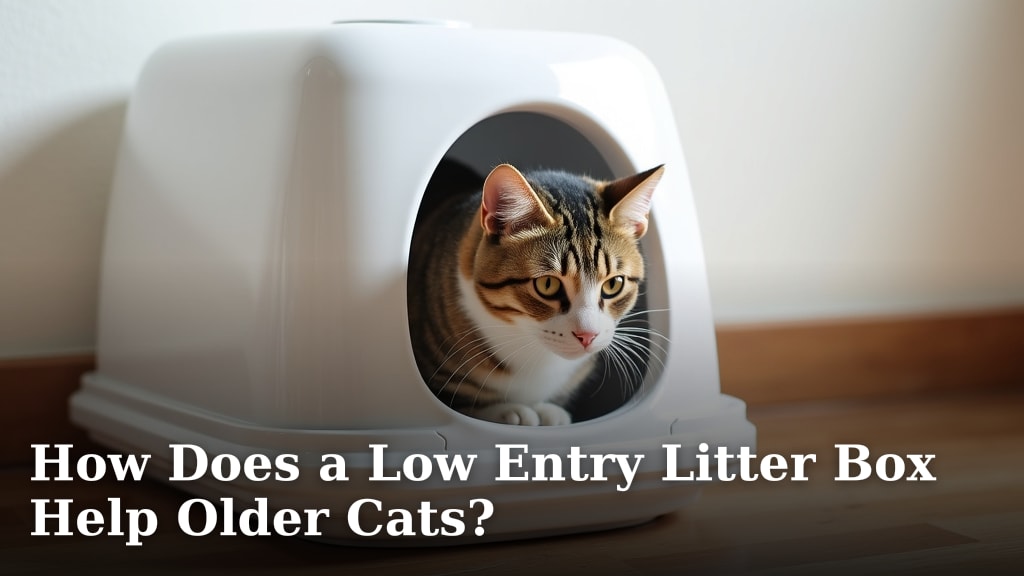
Yes, a low entry litter box can significantly help older cats by making it much easier for them to get in and out. This is because it provides a lower threshold, reducing the strain on their aging joints, hips, and muscles. You’ll likely notice your cat feeling more comfortable and less hesitant to use their litter box.
As cats get older, they can develop conditions like arthritis. This can make jumping into a standard litter box painful. A low profile design helps prevent accidents and ensures your senior cat can maintain their hygiene with dignity. It’s a simple change that makes a big difference in their daily life.
- Low entry points reduce joint strain.
- Helps prevent accidents for less mobile cats.
- Makes litter box use more comfortable.
- A simple solution for aging feline friends.
Let’s dive deeper into why this type of litter box is such a lifesaver for our senior kitties and what features to look for.
Making Life Easier for Your Senior Cat
As your feline friend ages, you might notice small changes in their behavior or mobility. These shifts can make everyday tasks, like using the litter box, a bit more challenging. A low entry litter box is designed with these changes in mind. It offers a simple yet effective solution to help your older cat maintain their independence and comfort.
The main benefit of a low entry litter box is its accessibility. Think of it like a ramp versus stairs for your cat. For a cat with stiff joints or hip pain, a high-sided box can be a real obstacle. A low entry reduces the need for jumping and straining. This makes the litter box a safe and easy-to-access place for them.
Understanding the Challenges Older Cats Face
You’ve probably seen your cat move a little slower these days. That’s perfectly normal as they get older. But these signs can indicate underlying issues that affect their daily life.
Arthritis and Joint Pain
Arthritis is very common in senior cats. We often see it affecting their hips, knees, and spine. This causes pain and stiffness, making it hard for them to jump. Jumping into a standard litter box can become a painful experience. Some cats may even start avoiding the litter box altogether because of this discomfort. Research indicates that over 90% of cats over 10 years old show signs of arthritis (Pet Arthritis Care). This means many of our older kitties are likely dealing with joint pain.
Reduced Mobility and Strength
Beyond arthritis, general muscle loss and reduced energy can affect older cats. Their ability to balance might not be as good as it once was. Lifting their legs high enough to clear the sides of a traditional litter box requires strength they may no longer have. A low entry design removes this physical demand.
Vision or Cognitive Changes
Some older cats can experience changes in their vision or cognitive function. This might make it harder for them to judge distances or navigate obstacles. A litter box with a low entrance is easier to spot and enter without misjudging the height. It requires less cognitive effort to use.
How a Low Entry Design Solves These Problems
The core appeal of a low entry litter box lies in its thoughtful design. It addresses the specific physical needs of aging cats.
Lower Threshold for Easier Access
The most obvious feature is the low side walls. Many standard litter boxes have sides that are 8 to 12 inches high. A low entry box might have sides as low as 3 to 5 inches. This dramatically reduces the distance your cat needs to lift their paws. It makes stepping in and out feel more like walking on a flat surface. This is often referred to as a cat-friendly litter box.
Less Strain on Joints and Muscles
When your cat steps into a low entry box, they aren’t jumping. They are stepping. This minimal effort greatly reduces the strain on their arthritic joints and tired muscles. They don’t have to bear their full weight on painful limbs while trying to clear a high barrier. This gentle approach helps prevent pain and injury. It can make them feel more confident using the box.
Minimizing Accidents and Messes
When a cat struggles to get into their litter box, accidents can happen. They might be too uncomfortable to enter or exit fully. This can lead to messes outside the box. A low entry design makes using the box so much easier that it can help prevent these frustrating accidents. It allows your cat to get inside properly and exit safely, even if they are a bit unsteady.
Key Features to Look For in a Low Entry Litter Box
Not all low entry litter boxes are created equal. When you’re shopping, keep these important features in mind to find the best fit for your senior cat.
Entry Height and Depth
Focus on the actual height of the entry opening. A truly low entry should be no more than 5 inches from the floor. The overall depth of the box is also important. You want it deep enough to hold litter effectively but not so deep that it becomes hard to manage.
Size and Interior Space
Older cats, like all cats, need enough space to turn around comfortably. They also need space to dig and cover their waste. Make sure the box is large enough for your cat to do this without feeling cramped. A good rule of thumb is to choose a box that is at least 1.5 times the length of your cat (from nose to base of tail).
Material and Ease of Cleaning
Most litter boxes are made from plastic. Look for smooth, non-porous plastic that is easy to wipe clean. Some boxes have a matte finish, which can be harder to sanitize. Consider how easy it will be for you to scoop and clean regularly. This is important for your cat’s hygiene and for preventing odors.
Privacy and Security (Optional but Helpful)
Some cats prefer a sense of privacy. While many low entry boxes are open, some models offer a partial hood or a corner design that provides a bit more enclosure. This can make your cat feel more secure. However, ensure the opening is still very low and accessible.
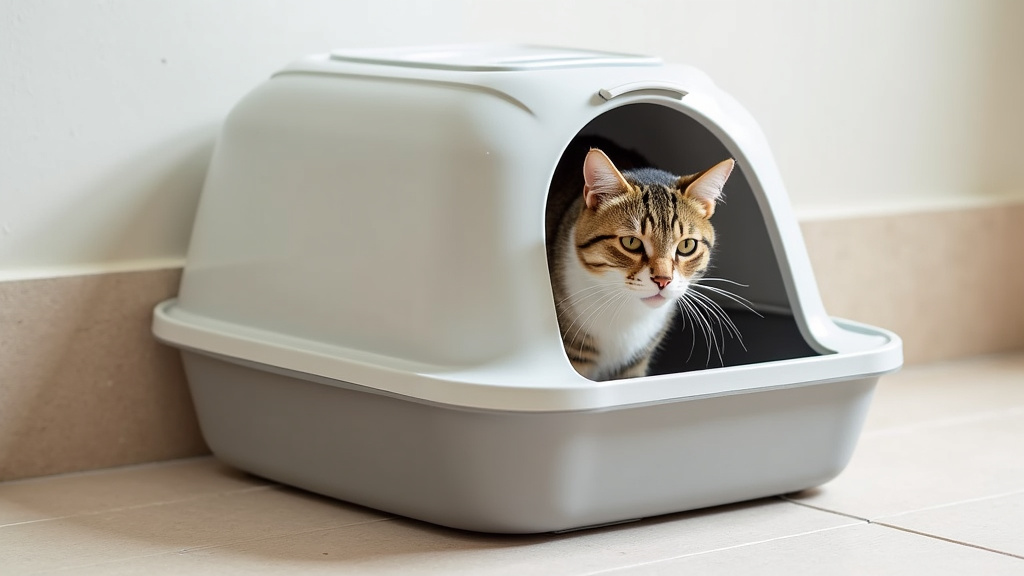
Making the Transition Smooth for Your Cat
Switching to a new litter box can sometimes be a sensitive process for cats. Here’s how to help your senior feline adjust.
Placement is Key
Put the new litter box in a quiet, easily accessible location. Avoid high-traffic areas or places that might startle your cat. Ensure they know where it is. Sometimes, gently placing their paws in the litter can help them understand.
Keep the Old Familiarity
If possible, keep your old litter box available for a short while. This gives your cat a choice and reduces any anxiety about the change. Once they consistently use the new low entry box, you can remove the old one. Make sure the litter type is the same in the new box to avoid confusion.
Consider Litter Type
Some older cats can be sensitive to litter texture. If your cat has always used a soft, clumping litter, stick with that in the new box. Avoid making too many changes at once. A low entry box with familiar litter is the goal.
A Simple Change for a Happier Senior Cat
Your older cat deserves to live comfortably and with dignity. A low entry litter box is a straightforward adjustment that can make a significant difference in their daily well-being. By reducing physical strain and making the litter box more accessible, you help your cat maintain their independence and hygiene.
Think about the little things that make your life easier. A grab bar in the shower, a comfortable chair. A low entry litter box offers that same kind of thoughtful convenience for your aging cat. It’s a small investment that pays big dividends in their comfort and happiness. Many cat owners report that their senior cats adjust quickly and show increased confidence in using their facilities after switching to a low entry design.
Checklist for Choosing a Low Entry Litter Box
Here’s a quick checklist to help you select the right low entry litter box for your senior cat:
- Entry point height is 5 inches or less.
- Interior dimensions are generous enough for turning.
- Made from smooth, easy-to-clean plastic.
- Sides are stable and won’t tip easily.
- Placement in a quiet, accessible spot.
- Litter type remains consistent with what your cat prefers.
Conclusion
You’ve seen how a low entry litter box can make a real difference for your aging cat. By providing easier access, it reduces strain on their joints and helps prevent painful accidents. This simple change supports your cat’s comfort and independence as they get older. It’s a thoughtful way to ensure their daily routines remain manageable and dignified. To help your senior feline friend thrive, take the step to assess their current litter box and consider making the switch to a low entry design.
Frequently Asked Questions
How do I know if my cat needs a low entry litter box?
If you notice your cat hesitating before entering their litter box, struggling to get in or out, or experiencing accidents, they likely need a low entry option. Signs of stiff movement or decreased mobility also suggest this change would be beneficial.
What is the ideal height for a low entry litter box?
The ideal entry height for a low entry litter box is generally 5 inches or less from the floor. This allows cats with stiff joints or mobility issues to step in and out with minimal effort.
Can a low entry litter box help prevent litter box accidents?
Yes, a low entry litter box can significantly help prevent accidents. By making the box easier to access, it reduces the physical challenge for your cat, decreasing the likelihood they’ll struggle to get in or out in time.
What if my cat is used to a high-sided litter box?
When transitioning, place the new low entry box near the old one and use the same type of litter. You can also gently place your cat’s paws in the new box to introduce it. Allow them time to adjust; many cats quickly prefer the ease of a low entry design.
Are there any downsides to using a low entry litter box for senior cats?
Generally, there are no downsides for senior cats. The main consideration is ensuring the box is still large enough for your cat to turn around comfortably and deep enough to contain litter. Some cats may initially be hesitant to change, but this is usually temporary.