How Does Non Clumping Litter Work for Cat Owners?
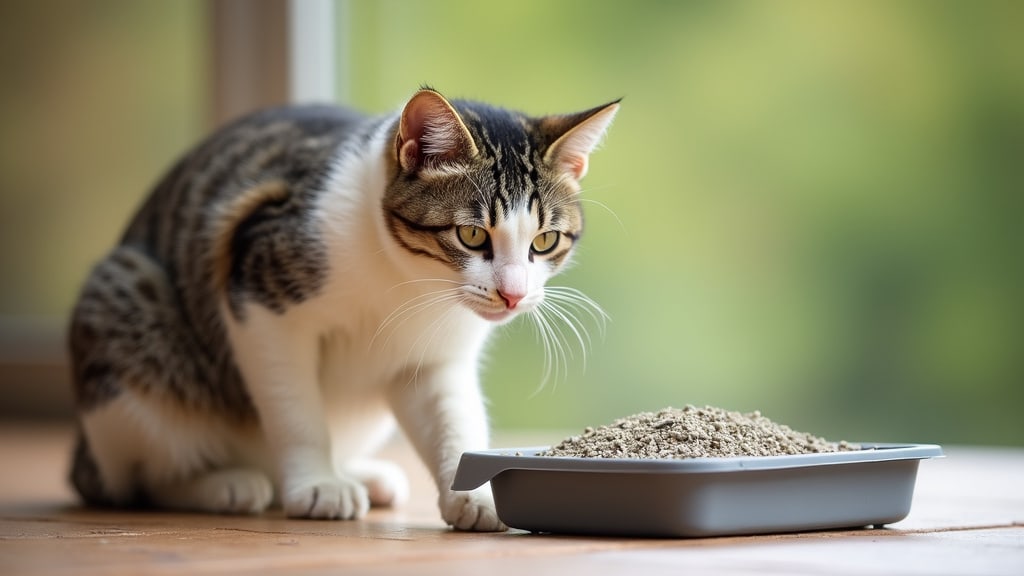
Non clumping litter works by absorbing moisture rather than clumping it. It uses materials like silica gel or specially treated clay that soak up liquids. This keeps the litter box drier and helps control odors by trapping them within the granules. You’ll find it’s a different approach to managing your cat’s bathroom needs. If you’re curious about the technology behind automated cleaning, our guide on how automatic litter boxes detect cats explains the sensors involved.
Unlike clumping litter, which forms solid masses when wet, non clumping types become saturated. The key is their ability to retain liquid, preventing it from pooling at the bottom of the box. This difference in function leads to distinct cleaning routines and odor control strategies for cat owners.
- Non clumping litter absorbs wetness.
- It traps odors within the granules.
- Silica gel or special clay are common materials.
- Cleaning involves replacing saturated litter.
If you’re curious about how this type of litter stacks up, let’s walk through exactly how non clumping litter works for your feline friend.
Understanding How Non Clumping Litter Works
Non clumping litter operates on a simple principle: absorption. It’s designed to soak up liquid waste, acting like a sponge for your cat’s urine. Instead of forming a solid mass, the litter granules absorb the moisture and hold it within. This keeps the litter box surface relatively dry. Your cat then steps out of a less messy environment. Many cat owners find this method straightforward to manage.
The key difference lies in how it handles wetness. Clumping litter forms a solid clump when wet. Non clumping litter simply gets saturated. Think of it like a paper towel versus a sponge. The paper towel might absorb, but it will quickly become saturated and fall apart. A sponge, however, can hold a lot more liquid within its structure. That’s the basic idea behind non clumping litter.
The Science of Absorption: What’s Inside?
The materials used in non clumping litter are chosen for their high absorbency. These materials are engineered to hold onto liquids effectively. This absorption is what prevents liquid from pooling at the bottom of the litter box. It also helps to minimize that strong ammonia smell. Let’s look at the most common types you’ll find.
Silica Gel: The Crystal Solution
Silica gel litter is a popular choice for non clumping options. It’s made from silicon dioxide, which is essentially a form of purified sand. These tiny porous beads have an incredible capacity for absorption. They are designed with millions of tiny pores. These pores act like microscopic traps for liquid and odor molecules. You might notice it feels like small crystals or beads.
When your cat urinates, the silica gel beads immediately begin to draw the moisture into their pores. The liquid then evaporates, leaving the odor trapped within the silica structure. This continuous evaporation is a big reason why silica gel litter can last longer between full changes. It keeps the surface dry and controls smell effectively. Many users report less dust with silica gel compared to clay litters.
Clay-Based Non Clumping: The Traditional Approach
Some non clumping litters are still made from clay. However, they are treated differently than clumping varieties. Instead of containing binders that cause clumping, these clays are processed to maximize their absorbent properties. Think of a natural clay that can soak up a spill. This type of litter also absorbs urine and traps odors.
The clay granules themselves absorb the liquid. As the clay becomes saturated, its ability to absorb more decreases. This is why regular scooping and changing are important with clay-based non clumping litters. They are often a more economical option than silica gel. You might find they have a more natural feel to them. Some are also lighter in weight than clumping clay litters.
How Non Clumping Litter Manages Odors
Odor control is a primary concern for any cat owner. Non clumping litter tackles odors in a couple of ways. The absorption process is the first line of defense. By soaking up the urine, it prevents the liquid from sitting and breaking down. This breakdown is what releases the strong ammonia smell.
The materials themselves also play a role. Silica gel, in particular, is known for its ability to trap odor molecules within its porous structure. It essentially locks the smell away. Clay-based litters also absorb odor molecules, though perhaps to a lesser extent than silica gel. Some non clumping litters have added fragrances or odor neutralizers to provide an extra layer of control.
Your Cleaning Routine: What to Expect
The way you clean a litter box with non clumping litter is quite different. Since it doesn’t form clumps, you won’t be scooping out solid waste daily. Instead, your focus shifts to removing solid feces and ensuring the litter bed remains dry.
Daily Tasks: The Quick Sweep
Every day, you’ll need to remove any solid waste your cat leaves behind. This is similar to how you’d clean a clumping litter box. A quick scoop will remove the feces. This prevents odors from solid waste and keeps the litter box more appealing to your cat. Since urine isn’t clumped, you’re primarily dealing with solids on a daily basis.
Weekly or Bi-Weekly: The Full Change-Out
This is the biggest difference. With non clumping litter, you’ll need to completely empty and replace the litter more frequently. How often depends on the type of litter and the number of cats you have. For silica gel, you might get away with changing it every 2-4 weeks. Clay-based non clumping litters may need a full change every 1-2 weeks.
It’s important to monitor the litter. If it starts to smell strongly, or if it appears saturated and no longer absorbing well, it’s time for a change. You’ll dump all the old litter, wash the box thoroughly with mild soap and water, dry it completely, and then refill with fresh litter. This complete change ensures a clean and hygienic environment for your cat.
Comparing Non Clumping to Clumping Litter
Choosing the right litter can feel like a big decision. Both non clumping and clumping litters have their advantages and disadvantages. Understanding these differences can help you pick what’s best for you and your feline friend.
| Feature | Non Clumping Litter | Clumping Litter |
|---|---|---|
| How it handles urine | Absorbs and holds moisture within granules. Evaporates slowly. | Forms solid clumps when wet, allowing easy scooping of urine. |
| Odor control | Traps odors within absorbent material. Relies on absorption and evaporation. | Traps odors within clumps. Scooping removes urine effectively. |
| Cleaning frequency | Requires full litter change more often (e.g., weekly/bi-weekly). | Daily scooping of clumps and solids. Less frequent full changes. |
| Dust levels | Can vary; silica gel is often low-dust. Some clay types can be dusty. | Can vary; some clay types are very dusty. |
| Cost | Can be more economical for clay-based. Silica gel can be pricier initially. | Can vary widely. Some high-performance clumping litters are expensive. |
| Weight | Silica gel is very lightweight. Clay is heavier. | Typically heavier due to clay and binders. |
When you’re deciding, think about your personal preferences for cleaning. Do you prefer daily scooping and less frequent full changes? Or do you want to pour out the whole box regularly? Both approaches work well when maintained properly. Many experts suggest observing your cat’s reaction, too. Some cats can be quite particular about their litter.
Is Non Clumping Litter Right for Your Cat?
So, how do you know if this type of litter is the perfect fit for your household? Consider a few factors. If you dislike scooping urine clumps daily, non clumping might appeal to you. You’ll still scoop solids, but the daily task is less involved. It can be a simpler routine for some people.
Also, think about dust. If you or your cat are sensitive to dust, some non clumping litters, especially silica gel, can be a good option. They tend to produce less airborne dust during pouring and digging compared to some clay litters. This can be a major plus for air quality in your home. However, always check product descriptions for “low-dust” claims.
Your cat’s preference is also key. Some cats dislike the feel or texture of clumping litter. They might prefer a softer, more granular texture. Non clumping litters, particularly silica gel, offer a different feel. You might need to experiment a bit to see what your cat likes best. A happy cat often means a cleaner home.
Tips for Using Non Clumping Litter Effectively
To get the most out of your non clumping litter, a few habits can help. It’s all about maximizing its absorbency and odor-trapping power. Let’s walk through some practical tips.
- Maintain Depth: Always ensure you have at least 2-3 inches of litter in the box. This depth allows for proper absorption and prevents your cat from reaching the bottom.
- Scoop Solids Daily: Remove solid waste every day. This is crucial for hygiene and to prevent odors from feces.
- Stir Regularly: Gently stir the top layer of litter daily or every other day. This can help expose wet areas to air for better evaporation.
- Avoid Over-Wetting: If you notice urine pooling despite the litter, you may need to add more litter or change it out sooner.
- Location Matters: Place the litter box in a quiet, low-traffic area. This encourages your cat to use it and can help reduce stress-related issues.
- Clean the Box Thoroughly: When you do a full litter change, a good wash with mild soap and water is essential. This prevents the buildup of bacteria.
Following these simple steps can make a big difference in how well your non clumping litter works. It ensures a pleasant experience for both you and your cat. It’s about consistency and paying attention to your cat’s needs.
Conclusion
You’ve learned that non clumping litter works by absorbing urine rather than forming solid clumps. This means its cleaning routine focuses on removing solids daily and replacing the entire litter bed regularly, often weekly or bi-weekly. Whether you choose silica gel for its absorption and low dust or clay for a more economical option, understanding its function helps you manage your cat’s litter box effectively. Now that you know the basics, you can decide if this absorption-focused approach fits your home and your cat’s needs by trying a bag on your next shopping trip.
Frequently Asked Questions
How often do I really need to change non clumping litter?
You’ll need to do a full litter change more frequently than with clumping types. For silica gel, plan to change it every 2 to 4 weeks. Clay-based non clumping litters usually require a complete change every 1 to 2 weeks. Always check if the litter seems saturated or if odors are noticeable.
Can I mix non clumping litter with clumping litter?
It’s generally not recommended to mix non clumping and clumping litters. They work on different principles, and mixing them can reduce the effectiveness of both. This could lead to poor odor control or a less desirable texture for your cat.
Is non clumping litter better for odor control?
Non clumping litter controls odors through absorption and trapping molecules within its granules. Silica gel is particularly effective at this. While clumping litter removes urine clumps daily, which also controls odor, non clumping relies on the material itself to contain smells until a full change.
Does non clumping litter create more dust?
Dust levels can vary. Silica gel non clumping litter is often found to be very low-dust. Some clay-based non clumping litters may produce more dust, similar to clumping clay litters. Look for “low-dust” labels if this is a concern for you or your cat.
What if my cat doesn’t like non clumping litter?
Cats can be picky about texture. If your cat resists non clumping litter, try offering a small amount of a different type alongside their current litter. Observe their behavior; if they avoid the box, it’s a sign they prefer something else. Experimenting with different textures might be necessary.