What Kind of Litter Works in a Self Cleaning Litter Box?
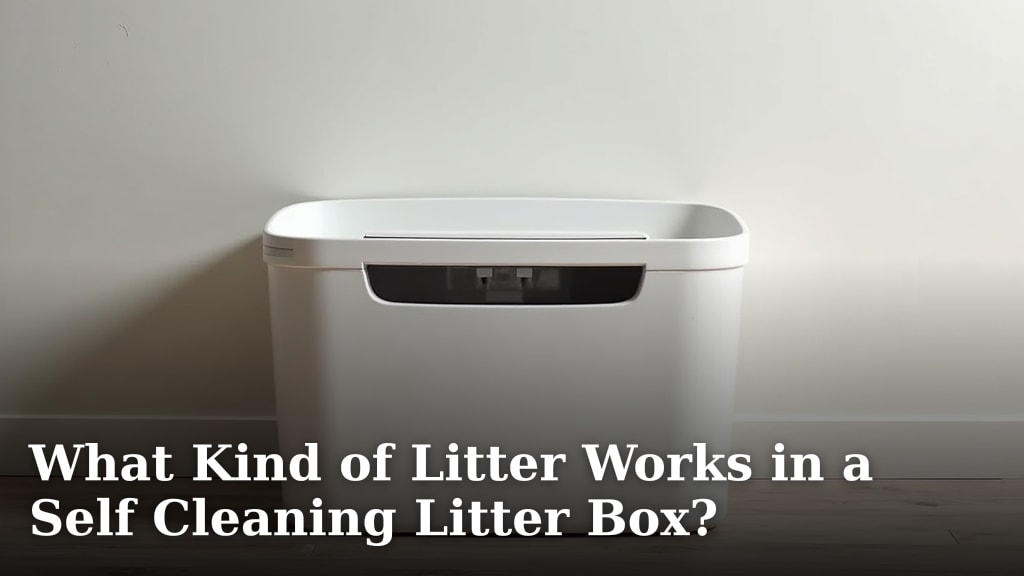
The best litter for a self-cleaning litter box is typically a clumping clay litter. These types of litter work well because they form solid clumps when wet, making it easy for the automatic rake or sifting mechanism to separate the waste. You’ll want a litter that’s fine-grained but not dusty, and that clumps effectively.
While clumping clay is the most common choice, some self-cleaning litter boxes may also be compatible with other litter types. It’s important to check your specific litter box model’s manual. Using the wrong litter could lead to mechanical issues or clumping problems that defeat the purpose of the automatic cleaning.
- Always check your litter box manual first.
- Clumping clay litter is usually the best option.
- Look for fine-grained litter without excessive dust.
- Some systems might allow other litter types, like silica gel.
- Avoid litters that are too large or don’t clump well.
Ready to find the perfect litter for your automatic cat box? We’ve researched the options to help you make the best choice for both you and your feline friend.
Picking the Right Litter for Your Automatic Cat Box
So, you’ve invested in a self-cleaning litter box. That’s fantastic! Now comes the important question: what kind of litter actually works in these smart machines? We know it can feel like a puzzle, but don’t worry, we’re here to help you sort it out.
The main goal is to find a litter that the box’s mechanism can easily handle. You want it to scoop, sift, or rake waste without getting jammed or making a mess. It’s all about making life easier, right?
Why Litter Type Matters So Much
It might seem like any old litter will do, but when you have an automatic cleaning system, the stakes are higher. The wrong litter can cause some serious headaches.
Imagine a rake trying to sift through something that doesn’t clump. It just turns into a mushy mess. Or what about litter that’s too light and gets blown around by the mechanism? Your smart box could end up needing more manual cleaning than a traditional one!
The Superstar: Clumping Clay Litter
When it comes to self-cleaning litter boxes, clumping clay litter is often the top recommendation. Why? Because it does exactly what it says on the tin: it clumps!
When your cat uses the litter, the clay absorbs the moisture and forms a solid clump around the waste. This clump is then easily picked up or sifted away by the box’s machinery. It keeps the rest of the litter clean.
We found that most manufacturers design their self-cleaning boxes with this type of litter in mind. It’s the most tried-and-true option for a reason.
What to Look For in Clumping Clay
Not all clumping clay litters are created equal, especially for automatic boxes. Here’s what we suggest focusing on:
- Fine Grain Size: Look for litters with a finer texture. These tend to clump more effectively and are less likely to break apart as the mechanism works. Think of it like sand versus gravel.
- Low Dust: A dusty litter can be a problem for both you and your cat. It can irritate respiratory systems and make the litter box area messy. Many brands now offer low-dust formulas.
- Strong Clumping Action: This is key. You want a litter that forms hard, solid clumps quickly. Test a small amount at home to see how well it holds together.
Other Litter Options: Can They Work?
While clumping clay is the usual go-to, some newer automatic litter boxes are becoming more versatile. Some systems can handle other types of litter.
It’s really important to consult your specific litter box manual. This is your best guide. Different brands have different designs, and what works for one might not work for another.
Silica Gel Crystals
Some self-cleaning litter boxes are designed to work with silica gel crystal litter. These crystals are highly absorbent and trap odors effectively.
The advantage here is that silica gel doesn’t clump in the same way as clay. Instead, it absorbs moisture, and the waste sits on top. The rake or sifter then collects the solid waste, leaving the crystals behind. We found that these can be a good option for odor control.
However, some cats might not like the feel of silica crystals under their paws. It’s a bit like walking on small pebbles. You might need to do a litter transition if your cat is used to softer litter.
Natural or Plant-Based Litters
Litters made from materials like corn, wheat, or wood can be eco-friendly options. Some of these do clump, but their clumping ability can vary widely.
If you’re considering a natural litter, make sure it specifies strong clumping. We’ve seen some natural litters that form soft, mushy clumps that can be difficult for automatic boxes to handle. Always check the product description and your litter box manual.
Litters to Avoid in Most Self-Cleaning Boxes
There are certain types of litter that you should generally steer clear of when using an automatic litter box. These can cause more problems than they solve.
Your goal is to keep the machine running smoothly. So, let’s look at what can clog the works.
Non-Clumping Clay Litter
This is the most basic type of clay litter. It absorbs moisture but doesn’t form solid clumps. Instead, it tends to turn into a wet, muddy mess at the bottom of the box. This can quickly gum up the scooping or sifting mechanism.
Very Large Pellets or Granules
Some litters, especially certain types of recycled paper or wood pellets, can have very large pieces. If these are too big, they might not pass through the sifting screen or could jam the rake. Check the size of the litter granules carefully.
Lightweight or Foaming Litters
Litters that are extremely lightweight can sometimes be blown around by the moving parts of the litter box. Others might foam or expand in unusual ways when wet, which could interfere with the cleaning cycle.
Testing and Transitioning Litter Types
Once you’ve chosen a potential new litter, don’t just dump the whole bag in! A little planning goes a long way.
Most cats are creatures of habit. A sudden change in their litter box can lead to them avoiding it altogether. That’s the last thing you want, especially with a fancy new automatic box.
The Gradual Transition Method
We recommend a slow and steady approach. This helps your cat get used to the new texture and scent.
- Start Small: Mix a small amount of the new litter with your cat’s current litter. Use about 25% new and 75% old.
- Increase Gradually: Over a week or two, slowly increase the ratio of new litter. Aim for 50/50, then 75/25, and finally, 100% new litter.
- Monitor Behavior: Watch your cat during this transition. If they start to avoid the box or seem uncomfortable, you may need to slow down the process or try a different litter.
Performing a Test Run
Before committing to a large bag, consider buying a smaller trial size of a new litter. This is especially helpful if you’re trying a different material or brand than you’re used to.
If you can, try scooping a small amount of the new litter in a separate container after it’s been used. See how it clumps. Does it form a solid mass? Does it stick to the bottom?
This quick test can save you from buying a large bag that might not be compatible with your automatic litter box. We found this step particularly useful when testing silica or natural litters.
Understanding Your Litter Box’s Design
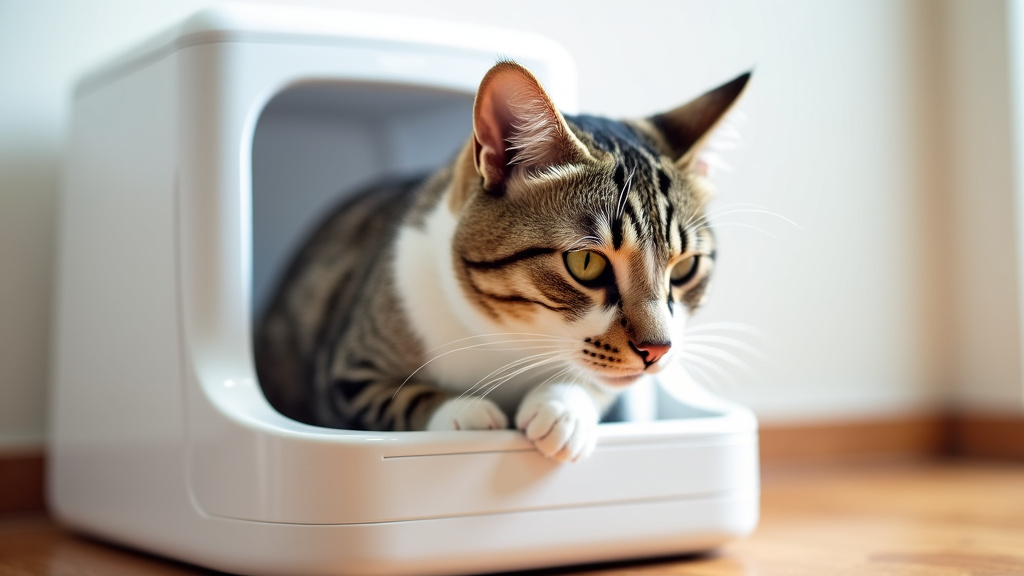
The key to finding the perfect litter lies in understanding the specific way your automatic litter box works. Each model has a unique cleaning mechanism.
Think about it like this: a rake is different from a conveyor belt, which is different from a rotating drum.
Raking Systems
These boxes typically use a rake that sweeps through the litter, collecting waste into a compartment. For this to work well, the waste needs to be in solid, well-formed clumps that the rake can easily grab without breaking apart or sticking to the rake.
Sifting Systems
Sifting boxes have a screen or sieve. The litter moves through the screen, leaving the waste behind. This method works best with litter that has a consistent granule size. The screen needs to allow clean litter through while catching the waste. Very fine dust or very large pieces can cause issues here.
Rotating Drum Systems
Some innovative designs use a rotating drum. The entire drum turns, separating clean litter from waste. The waste is then deposited into a trap. These systems can sometimes be more forgiving with different litter types, but clumping ability is still often important for efficiency.
Quick Checklist for Your Litter Choice
To make sure you’re on the right track, keep this simple checklist handy when you’re shopping:
- Check Manual: Always confirm your litter box manual’s recommendations first.
- Clumping Clay: Prioritize clumping clay litter for best results.
- Fine & Low Dust: Look for a fine-grained, low-dust formula.
- Solid Clumps: Ensure it forms firm, non-crumbly clumps.
- Granule Size: Avoid litters with very large or inconsistent granules.
- Test Small: If unsure, buy a small trial size to test.
Conclusion
You’ve learned that the best litter for your self-cleaning litter box is usually clumping clay. It forms solid clumps that the mechanism can easily manage. Always remember to check your specific litter box manual, as some models can handle silica gel or certain natural litters, while others cannot. Prioritizing a fine-grained, low-dust clumping litter that creates firm clumps will help ensure your automatic box works efficiently. Start with a small test bag and transition your cat gradually to a new litter to avoid any issues. Your next step is to choose a litter that matches these guidelines and consult your manual before making a purchase.
Frequently Asked Questions
Will any clumping litter work in a self-cleaning box?
Not necessarily. While clumping is essential, the size and consistency of the granules matter. Some automatic boxes have fine-tuned mechanisms that can be jammed by too-large granules or too much fine dust. Always check your litter box manual for specific recommendations.
Can I use a lightweight litter in my automatic litter box?
Generally, it’s best to avoid very lightweight litters. The moving parts of the self-cleaning mechanism can sometimes blow these light litters around, creating a mess and potentially causing the machine to malfunction. Stick to litters with a bit more weight for stability.
What happens if I use the wrong type of litter?
Using the wrong litter can lead to clumping failures, where waste isn’t properly scooped or sifted. It might also cause the rake or sifting mechanism to jam, requiring manual cleaning. In some cases, it could even damage the litter box’s internal components.
Is silica gel litter a good option for automatic boxes?
Some automatic litter boxes are designed to work with silica gel crystals. These absorb moisture and odors well, and the waste sits on top for easy collection. However, you should check your litter box manual, as not all systems are compatible with silica gel.
How do I switch my cat to a new litter for the automatic box?
You should transition your cat gradually. Start by mixing a small amount of the new litter (about 25%) with their current litter (75%). Over one to two weeks, slowly increase the proportion of the new litter until your cat is exclusively using it. Monitor your cat for any signs of stress or avoidance.