How to Choose Non Toxic Cat Litter
The best non toxic cat litter is one with a material and exposure profile that suits your cat: compare the ingredient label, dust, fragrance, clumping behavior and disposal needs before you buy.
On this page (9 sections)
- What should you check on a non toxic cat litter label?
- Is scented cat litter non toxic?
- Does low dust matter when choosing cat litter?
- Are grass and other plant-based litters non toxic?
- Which is better, clay or non-clay cat litter?
- How do clumping and non-clumping litter affect exposure?
- Can you flush non toxic cat litter?
- How should you introduce a new litter?
- How can you choose between these non toxic cat litter options?
The best non toxic cat litter is the one that limits unwanted exposure while your cat will still use the box. Compare the main material, added fragrance, dust, clumping behavior and disposal instructions before changing litter.
“Non toxic” is not one regulated ingredient category that makes every choice simple. A better approach is to examine what the litter contains, how it behaves during daily use and whether your cat shows signs of discomfort.
What should you check on a non toxic cat litter label?
Check the main litter material first, then look for fragrance, odor-control additives, dust claims and any ingredients your household wants to avoid. A short ingredient description does not replace observing how your cat reacts.
Common litter materials include clay, grass seed, walnut, corn and crystal. Material names describe the base, but they do not tell you everything about dust, scent or tracking.
Look for clear wording about whether the litter is scented, unscented, clumping or non-clumping. If your cat has breathing or skin concerns, ask your veterinarian which exposure issues deserve the most attention.
The label can also help you compare package size and handling. A heavy bag may be harder to pour, while a lightweight litter may be easier to carry but need more frequent replacement.
Is scented cat litter non toxic?
Scented cat litter is not automatically toxic, but added fragrance can be an exposure concern for cats or people who are sensitive to strong smells. Unscented litter is often the simpler starting point when your priority is reducing added fragrance.
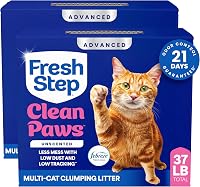
Some formulas combine odor control with scent. Fresh Step Extreme Clay is a scented, non-clumping clay litter with paw-activated fresheners and carbon-based odor control.
Its 21-pound size may suit a home that prefers a larger bag, but clay is dense and can be harder to lift or pour. The non-clumping format also means you manage the box differently from a litter that binds urine into removable clumps.
If fragrance is a concern, compare the formula with unscented choices and introduce any replacement slowly. Do not assume that a pleasant smell means the litter is better for your cat.
Does low dust matter when choosing cat litter?
Low dust matters because pouring, scratching and scooping can send fine particles into the air and onto nearby surfaces. Choose a litter that produces as little visible dust as possible for your home, then keep the box in a well-ventilated area.
Dust is not the same as toxicity, and a “low dust” label is not a guarantee that no particles will escape. Pour slowly, avoid shaking the bag over the box and clean tracked particles with a method that does not spread them.
ARM & HAMMER Naturals Clumping Cat is described as a low-dust formula. It uses natural corn fibers, a plant-based clumping agent, baking soda and mineral oil for dust control.
The formula is designed to bind into small clumps that are easier to remove. That can reduce the amount of clean litter discarded during routine scooping, although you still need to follow the package directions for filling and changing the box.
If more than one cat uses the box, monitor whether the litter stays clean enough for all of them. A formula that controls odor does not remove the need for regular waste removal.
Are grass and other plant-based litters non toxic?
Plant-based litter can reduce your reliance on clay, but “plant-based” does not automatically mean risk-free. Compare the plant material, dust, scent, tracking and your cat’s willingness to use it.
SmartCat All Natural Clumping Cat Litter is made from grass seed grown in the USA. It is unscented, described as 99% dust free, and positioned as a lightweight alternative to clay and pellet litter.
Its 10-pound package may be easier to carry than a heavier clay bag. The sand-like texture may also help a cat that prefers a soft surface, but every cat has its own texture preference.
For a closer look at this material, read our guide to grass seed cat litter. You can also compare another plant-based option in how to choose walnut cat litter.
Which is better, clay or non-clay cat litter?
The better choice depends on your cat’s texture preference, your dust and scent priorities, and how you want to maintain the box. Clay can offer familiar textures and strong absorption, while non-clay options can provide different weight, material and scent trade-offs.
Our guide to clay cat litter vs non-clay compares the main differences without treating one material as right for every cat.
When changing materials, mix the new litter with the old one over several days if your cat accepts that approach. A sudden change can lead to box avoidance, especially when the texture or smell is very different.
Keep the box in the same quiet location during the transition. If your cat stops using it, return to the last litter that worked and ask a veterinarian if the problem continues.
How do clumping and non-clumping litter affect exposure?
Clumping litter binds wet areas so you can remove urine clumps, while non-clumping litter absorbs liquid without forming those same removable pieces. Choose clumping litter for targeted daily removal, or non-clumping litter if you prefer a simpler dump-and-refresh routine.
Read how non-clumping litter works for cat owners before choosing a non-clumping formula. If you prefer clumps, see how to use clumping cat litter for a routine that keeps the remaining litter cleaner.
With clumping litter, remove solid waste and wet clumps regularly. With non-clumping litter, follow the package directions for removing waste and replacing the contents because the maintenance pattern differs.
Crystal litter is another format with its own care routine. If you are comparing that option, read our guide to PetSafe ScoopFree crystal litter.
Can you flush non toxic cat litter?
Do not flush cat litter unless the package and your local wastewater guidance clearly allow it. A litter’s material or “natural” label does not prove that it is safe for household plumbing or municipal systems.
Read what cat litter is flushable before disposing of waste this way. Many owners choose a lined waste container instead, then follow local rules for household waste.
Keep litter away from drains during box washing. Empty the box into the approved waste stream, wipe residue into the trash and wash the box with a mild cleaner that does not leave a strong scent.
How should you introduce a new litter?
Introduce a new litter gradually and watch your cat’s behavior. Start by adding a small amount of the new material to the familiar litter, then increase it only if your cat continues using the box normally.
Keep the box clean during the transition. A dirty box can make a cat reject the change even when the new litter itself is acceptable.
Watch for coughing, repeated sneezing, watery eyes, skin irritation, vomiting, unusual licking or box avoidance. These signs can have many causes, so contact a veterinarian when they persist or concern you.
Do not rely on fragrance to cover odor. Remove waste often, keep the surrounding area clean and use enough litter for the box style without creating an unnecessarily deep layer.
How can you choose between these non toxic cat litter options?
Choose Fresh Step Extreme Clay if you want scented, non-clumping clay with carbon-based odor control and a larger 21-pound package. Choose ARM & HAMMER Naturals Clumping Cat if you prefer a corn-based clumping formula with baking soda, plant extracts and a low-dust focus.
Choose SmartCat All Natural Clumping Cat Litter if an unscented grass-seed formula, lightweight handling and a soft sand-like texture fit your cat. No material is automatically right for every cat, so the final decision should account for exposure concerns and box acceptance.
The practical rule is simple: read the ingredients, limit unwanted dust and fragrance, introduce changes slowly and monitor your cat. If you also need a cleaner waste routine, compare Litter Genie vs Easy Roll for disposal options.
Frequently asked questions
What makes cat litter non toxic?
Non toxic cat litter usually means the formula avoids ingredients or exposure concerns you want to limit, such as heavy fragrance or excess dust. Check the full ingredient information, observe how your cat responds, and ask a veterinarian about concerns involving ingestion, breathing or skin irritation.
Is clay cat litter toxic to cats?
Clay cat litter is not automatically toxic, but dust, fragrance and accidental ingestion may matter for some cats. Compare the formula and your cat's response instead of treating all clay litter as identical.
A low-dust, unscented option may be a better fit for a sensitive cat.
Is natural cat litter safer?
Natural cat litter is not automatically safer because natural materials can still create dust, fragrance or tracking concerns. Look at the actual material, additives, scent and handling needs.
Grass, walnut, corn and clay formulas can each suit different homes when used as directed.
What cat litter should I avoid?
Avoid a cat litter that causes repeated coughing, sneezing, skin irritation, strong aversion or other concerning changes in your cat. Also reconsider formulas with a scent you dislike or dust that spreads through your home.
Ask a veterinarian if symptoms continue or seem serious.