Clay vs Non-Clay Cat Litter: Which Should You Choose? (October 2026)
Choose clay for familiar clumping options and non-clay litter if you prefer a plant-based material. Your cat’s acceptance, dust, scent and cleanup routine matter as much as the material.
On this page (8 sections)
- Clay cat litter vs not clay: what is the main difference?
- Which material is easier to scoop?
- How do clay and non-clay litters handle odor?
- Does non-clay litter make less dust?
- Which litter may your cat accept?
- What should you consider about disposal?
- Which clay options fit different preferences?
- Which should you choose: clay or non-clay?
Choose clay cat litter for familiar clumping and scooping options; choose non-clay if you prefer a plant-based material. In the clay cat litter vs not clay choice, compare your cat’s texture preference, your cleanup routine and the litter’s scent and dust.
Clay and non-clay cover many different formulas. A material name alone won’t tell you how well a litter clumps, controls odor or suits your cat.
Clay cat litter vs not clay: what is the main difference?
Clay litter is mineral-based, while non-clay litter uses other materials, often plant-based ones. The material affects texture, weight, absorption and disposal, but each formula can behave differently.
Clumping clay forms scoopable masses when wet. Some non-clay products also clump, while others absorb liquid without forming the same kind of clump.
Non-clay is not one single type. It can include options such as grass seed, corn and walnut, each with its own feel and care needs.
If you’re weighing the wider range of cat litter types, start by deciding what matters most: clumping, material, scent, dust or disposal. Then check the specific formula instead of assuming every litter in a category works the same way.
Which material is easier to scoop?
Clumping clay is a straightforward fit if you want to remove wet clumps and solid waste each day. Non-clay litter can be just as manageable, but its cleanup method depends on whether it clumps, forms pellets or absorbs liquid.
Fresh Step Advanced Odor Shield Multi Cat is a clumping clay option with ClumpLock tight clumps. Fresh Step Advanced Simply Unscented Multi Cat also forms tight clumps, with no added fragrances or dyes.
 Best for multi-cat odor control
Fresh Step Advanced Odor Shield Multi Cat
 Best for fragrance-free clay
Fresh Step Advanced Simply Unscented Multi Cat
If you’re comparing clumping behavior across materials, our guide to Clay Litter vs Clumping Litter: A Simple Guide explains why “clay” and “clumping” describe different things. A litter can be both, but the terms aren’t interchangeable.
With a non-clay litter, read how often to remove waste and whether the maker recommends replacing all of it on a schedule. Pellets and loose granules may need a different scoop or sifting method from fine clumping litter.
How do clay and non-clay litters handle odor?
Odor control depends on the formula and your cleaning routine, not just the base material. Look for clear details about scent, odor-control ingredients and how often the box needs scooping.
Fresh Step Advanced Odor Shield Multi Cat combines clay with activated charcoal, Ammonia Block Technology and Febreze freshness. The brand says it provides 15-day odor control; that is a brand claim, not a reason to leave waste in the box.
Fresh Step Advanced Simply Unscented Multi Cat uses clay, carbon and minerals with Ammonia Block Technology and activated charcoal. It has no added fragrances or dyes, which may better suit households avoiding added scent.
Plant-based litters vary in how they manage odor. Check the formula’s instructions, scoop regularly and keep the box in a place with suitable airflow.
Does non-clay litter make less dust?
You can’t judge dust from the material name alone. Check the specific formula, then consider how it behaves when poured and scooped.
Both Fresh Step clay options above are described as low-dust formulas. That detail may matter if litter dust settles on nearby surfaces, but it doesn’t mean any litter is dust-free.
Plant-based products can vary in their shape and texture, from fine granules to larger pieces. If dust is a priority, review the product’s stated features and introduce the litter gradually so you can see how your cat responds.
If you want to compare non toxic cat litter, look at the ingredients and handling guidance for each product. “Natural” or “non-clay” by itself doesn’t establish that a litter is suitable for every cat or household.
Which litter may your cat accept?
Choose the texture your cat will use consistently, even if another material looks better on paper. A sudden change can lead some cats to avoid the box, so make transitions gradually.
Start by placing a small amount of the new litter alongside the familiar one, or offer a second box if you have room. Increase the new litter over time only if your cat continues to use the box normally.
Fine clay granules can feel different from larger pellets or plant-based pieces. Watch for hesitation, unusual digging or elimination outside the box, and return to the familiar option if the change is not going well.
For alternatives, explore grass seed cat litter and walnut cat litter. These guides can help you compare material and form before making a gradual switch.
What should you consider about disposal?
Follow the package directions and local waste rules for either material. Don’t flush litter simply because it is plant-based or labeled biodegradable.
Clumping litter can expand and block plumbing. Cat waste can also carry pathogens, so disposal guidance matters even when the litter material itself comes from plants.
If flushing is a key concern, read our guide to what cat litter is flushable and check local wastewater advice. Bagging and placing used litter in household trash is a common approach, but follow your local requirements.
Which clay options fit different preferences?
Choose a clay formula based on the features you care about, such as added fragrance or tight clumps. These options show two distinct approaches to odor control within clumping clay litter.
The two formulas share a clumping clay base and low-dust positioning. Their main difference in the details here is scent: one includes Febreze freshness, while the other has no added fragrances or dyes.
If you want to explore other formulas, see our world best cat litter review, best natural cat litter and best corn cat litter. Compare material and instructions before choosing a litter for your cat.
Which should you choose: clay or non-clay?
Pick clumping clay if you want familiar scoopable clumps; pick a non-clay litter if its material and texture suit your preferences and your cat accepts it. Make the decision by checking the formula, scent, dust, cleanup and disposal instructions.
Choose the Fresh Step Advanced Odor Shield formula if you want clumping clay with Febreze freshness and odor-control features. Choose Fresh Step Advanced Simply Unscented if you want clumping clay without added fragrances or dyes.
Look at grass, walnut or corn alternatives if you prefer plant-based materials, and introduce any new litter gradually. Your cat’s consistent use of the box is the best guide to whether the change is working.
Frequently asked questions
Is clay or non-clay cat litter better?
Clay litter may suit you if you want familiar clumping options and straightforward scooping. Non-clay litter may suit you if you prefer plant-based materials, but its texture, odor control and cleanup depend on the specific material and formula.
Introduce a new litter gradually and watch whether your cat uses it.
Does non-clay cat litter clump?
Some non-clay litters clump, while others absorb liquid into pellets or granules without forming scoopable clumps. Check the package for the material and clumping method before you buy.
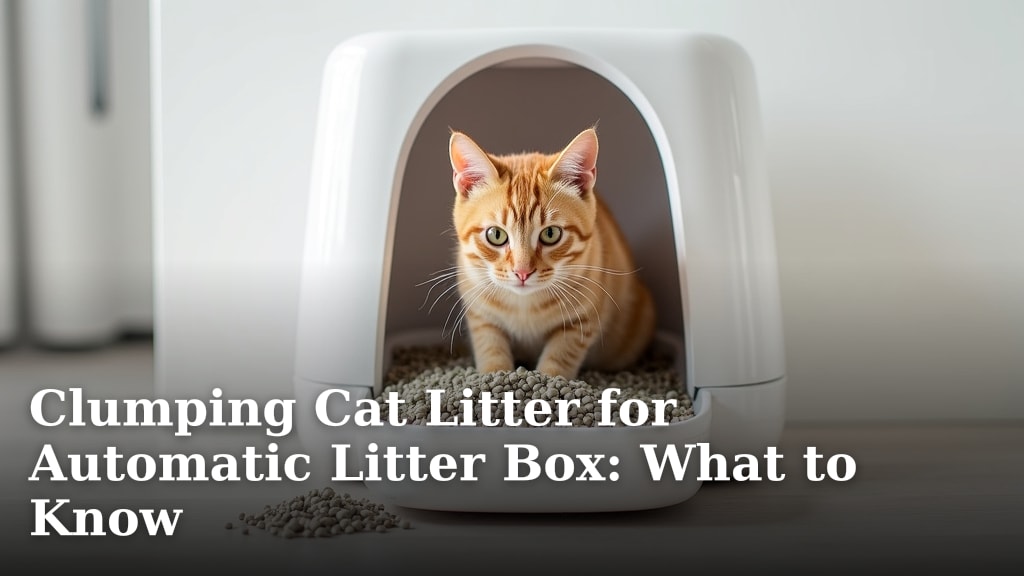
If you use a sifting box or automatic litter box, confirm that the litter works with that setup.
Is clay cat litter always scented?
No. Clay litter is available with and without added fragrance.
Fresh Step Advanced Simply Unscented Multi Cat uses clay, carbon and minerals without added fragrances or dyes, while Fresh Step Advanced Odor Shield Multi Cat includes Febreze freshness.
Check scent details if fragrance matters in your home.
Can you flush non-clay cat litter?
Don't assume a plant-based or non-clay litter is safe to flush. Ingredients, clumping behavior, plumbing and local wastewater rules all matter, and cat waste can carry pathogens.
Follow the package and local guidance, and see our guide to what cat litter is flushable before considering disposal.