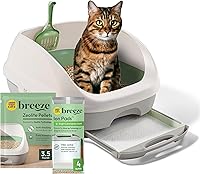
How to Clean a Cat Litter Box
To clean a cat litter box, empty the used litter, wash the box with mild unscented soap and warm water, rinse it well, dry it fully, and add fresh litter. Scoop daily so full washing is needed less often.
On this page (10 sections)
- How do you clean a cat litter box step by step?
- What should you remove before washing?
- What soap and water should you use?
- How do you wash and dry the box?
- How should you refresh the litter after cleaning?
- How do disposable crystal trays change cleaning?
- How do you clean around the litter box?
- How can you make full cleaning easier?
- When should you replace or change the cleaning setup?
- What is the simplest cat litter box cleaning routine?
To clean a cat litter box, empty the used litter, wash the box with mild unscented soap and warm water, rinse it well, dry it fully, and add fresh litter. Scoop daily so full washing is needed less often.
Routine cleaning removes waste and residue that scooping cannot reach. It also gives you a chance to check for cracks, stuck litter, damaged liners, or a box that no longer suits your cat's access needs.
How do you clean a cat litter box step by step?
Empty, scrape, wash, rinse, dry, and refill is the safest basic order. Read the box and litter instructions first if they give different care directions.
- Put on disposable gloves and prepare a trash bag.
- Scoop out all used litter and loose waste.
- Scrape away stuck residue with a plastic scoop or tool.
- Wash the box with warm water and mild unscented soap.
- Rinse until the water runs clear and no soap remains.
- Dry every surface, corner, and seam completely.
- Add fresh litter to the depth your cat already uses comfortably.
Don't rush the drying step. Moisture under fresh litter can create clumps, odors, and residue before the box is ready for normal use.
For more help choosing a box that is simple to wash, compare these best cat litter boxes for easy cleaning. A smooth surface, removable parts, and easy access can reduce the work during each full change.
What should you remove before washing?
Remove all litter, waste, liners, mats, and loose parts before adding water. A nearly empty box is easier to inspect and prevents old litter from hiding in corners.
Tie the waste bag before washing if it contains used litter. Keep the bag away from food, water bowls, and surfaces where your cat eats.
Use a plastic scoop to lift loose litter from the bottom. If residue is bonded to the surface, let warm soapy water soften it instead of digging hard at the box.
A box with deep scratches can hold residue in places that are difficult to wash. If damage is severe or the box keeps retaining odor after cleaning, measure the space and compare a replacement.
What soap and water should you use?
Warm water and a small amount of mild, unscented dish soap are usually enough for routine cleaning. Use only cleaners that the box and litter instructions allow.
Avoid scented cleaners, ammonia, and harsh abrasives. Strong fragrance may make the box less inviting, while abrasive pads can leave scratches that hold residue.
Never mix bleach with ammonia or other cleaners. If a veterinarian or product instructions call for a disinfectant, follow the exact dilution, contact time, rinsing, and drying directions.
Wash the outside, rim, base, corners, and any removable cover. Residue often collects under the rim or around seams, so turn the box carefully and check those areas.
How do you wash and dry the box?
Rinse the box until no slick feel or soap smell remains, then dry it completely. Water left in corners can dampen fresh litter and shorten the time before odors return.
A washable towel can speed up drying, but let the box air-dry too if moisture remains around seams. Keep it in a clean, ventilated spot while it dries.
Don't return a wet box to a covered cabinet or enclosed litter area. The surrounding floor and mat should be dry as well.
If your cat needs the box during cleaning, keep a second clean box available. This is especially useful in homes with multiple cats or cats that dislike changes to their routine.
How should you refresh the litter after cleaning?
Refill the dry box with the same litter type your cat already accepts, unless you are changing types gradually. Pour enough to support normal digging without making the entry difficult.
Clumping litter lets you remove urine and solid waste in separate clumps while leaving the surrounding litter in place. Non-clumping crystal litter absorbs liquid and dries solid waste, but the full tray or litter change follows a different routine.
For ongoing care, see how to manage a cat litter box. That guide can help you plan scooping, litter replacement, odor control, and placement.
Is clumping litter easier to clean?
Clumping litter can make daily cleanup easier because urine forms scoopable clumps. Remove those clumps and solid waste regularly so clean litter remains available between full washes.
ARM & HAMMER Slide Platinum Easy Clean-Up forms rock-hard clumps designed to slide out instead of sticking. Its 18 lb formula is clumping, 99.9% dust-free, suitable for traditional and robotic litter boxes, and made for multi-cat use.
Use a scoop that matches the litter and box. Shake excess clean litter back into the box, and avoid scraping aggressively if the surface is soft or already scratched.
How do disposable crystal trays change cleaning?
A disposable tray changes the job from washing the tray to replacing it. It can suit a compatible self-cleaning system when you want a pre-filled crystal tray rather than a reusable box that needs routine scrubbing.
PetSafe ScoopFree Disposable Crystal Litter Tray Refills come in a 3-pack with fresh-scented crystal litter. The trays have a plastic lining, 99% dust-free crystals, and are designed for PetSafe ScoopFree self-cleaning litter boxes.
Each tray measures 22.99 x 15.39 x 7.5 in. Check the box model and available space before ordering, since a disposable tray only helps if it fits the system you use.
The lavender version offers a different scent choice. PetSafe ScoopFree Disposable Crystal Cat Litter Tray Refills come as a 3-pack with lavender-scented, non-clumping crystal litter, a built-in leak-proof lining, and 99% dust-free crystals.
These trays measure 22.99 x 15.39 x 7.5 in and are designed for PetSafe ScoopFree self-cleaning litter boxes. Choose between the fresh-scented and lavender options based on your cat's comfort and your household's scent preference.
A scent does not replace cleaning. If your cat avoids the box, see this guide to litter box avoidance.
If your cat avoids a scented tray, switch to the option your cat uses comfortably and ask a veterinarian about sudden litter-box avoidance.
How do you clean around the litter box?
Clean the floor, mat, scoop, and nearby surfaces after washing the box. Small pieces of litter and dust can collect under the box even when the interior looks clean.
Shake or vacuum the mat according to its care instructions. Wipe hard flooring with a pet-safe cleaner, then let it dry before placing the box back.
Wash the scoop with warm soapy water and rinse it well. Keep it in a dry holder rather than leaving it in damp litter.
If you use an enclosed cabinet, inspect the opening and interior for tracked litter and residue. Our guide to litter box furniture can help you compare access, ventilation, and cleaning space before choosing a cabinet.
How can you make full cleaning easier?
Scoop at least once a day and remove visible waste promptly. Frequent removal limits the residue that dries onto the box and reduces how often you need a full wash.
Keep a small cleaning set nearby: gloves, trash bags, a scoop, a plastic scraper, mild unscented soap, towels, and a washable mat. Store clean supplies away from food and water dishes.
Don't pour used litter down a sink or toilet. Bag it and follow local waste rules, especially if the litter contains clumping material.
If sifting is part of your routine, read can you sift litter in a Modkat litter box before using a different scoop or sifting method. The box design affects how litter moves and where residue collects.
When should you replace or change the cleaning setup?
Replace a box when cracks, deep scratches, broken parts, or lasting odor make routine cleaning difficult. A larger change may also be needed if your cat struggles to enter or turn around.
Older cats may need easier access rather than a higher rim. See how a low entry litter box helps older cats if climbing into the current box seems difficult.
Automatic systems have their own cleaning schedule and moving parts. Learn how automatic litter boxes know when to clean before using soap, water, or a replacement tray around the mechanism.
Disposable trays can reduce washing, while clumping litter can reduce full litter changes. Pick the setup that matches your cat's habits, the space available, and the amount of daily care you can keep up with.
What is the simplest cat litter box cleaning routine?
Scoop daily, remove stuck residue during full changes, wash with mild unscented soap, rinse, dry, and refill with familiar litter. Keep the area around the box dry and check the box for damage each time you empty it.
Choose ARM & HAMMER Slide Platinum if scoopable clumps are the main priority. Choose either PetSafe crystal tray refill if you use a compatible ScoopFree system and prefer disposable tray changes.
For a low-mess replacement option, compare best disposable cat litter trays. Store unused litter in a dry container with best cat litter storage ideas so the refill stays easy to manage.
Frequently asked questions
How often should you deep clean a cat litter box?
Wash a cat litter box during a full litter change, or sooner if urine, waste, or litter sticks to the surface. Scoop daily and remove clumps or solid waste promptly.
The right interval depends on the litter type, number of cats, box size, and how quickly odors or residue appear.
What soap can I use to clean a cat litter box?
Use warm water with a small amount of mild, unscented dish soap unless the box or litter maker gives different instructions. Avoid strong fragrances, bleach mixtures, ammonia, and harsh cleaners.
Rinse until no soap remains, then dry the box completely before adding litter.
Can I use bleach to clean a cat litter box?
Avoid bleach unless a veterinarian or product instructions specifically direct you to use it. Bleach and other strong cleaners can leave irritating residue, and mixing bleach with ammonia-based products is dangerous.
Mild unscented soap and thorough rinsing are usually the simpler routine choice.
How do you clean a cat litter box without making a mess?
Empty the box near a trash bag, place it on a washable surface, and use a scoop or plastic scraper for loose residue. Wash it outdoors or in a utility sink if possible.
Keep the box level, rinse away from food areas, and dry it before carrying it back.