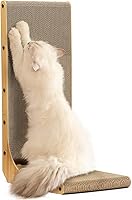
Can a Cat Scratching Post File Nails?
A cat scratching post can wear down the sharp outer tips of claws, but it won't reliably shorten every nail or replace routine nail checks. Scratching also helps cats shed old nail sheaths.
On this page (7 sections)
- Can a cat scratching post file nails?
- How does scratching affect a cat's claws?
- Which scratching surfaces can wear nail tips?
- Does a scratching post replace nail trimming?
- How can you choose a post your cat will use?
- Where should you put a scratching post?
- What should you expect from a cat scratching post nail file?
A cat scratching post can wear down some sharpness at the claw tips, but it won't reliably shorten every nail or replace regular nail checks. Scratching helps cats shed old nail sheaths, while the post's rough surface gives claws something to grip and pull against.
A scratching post is useful for normal scratching behavior and may help claws stay less sharp between trims. Think of it as part of claw care, not a cat nail file that keeps every claw at the right length.
Can a cat scratching post file nails?
A scratching post can abrade the outer tips of claws as a cat scratches. The effect depends on how often the cat uses the post, the surface, and the way the cat scratches.
Cats also scratch to loosen and remove old nail sheaths. That can leave a sharper claw underneath, so a post won't necessarily make claws feel blunt.
Check all of your cat's nails from time to time, including the dewclaws higher on the front legs. A post can't reach those claws in the same way regular scratching reaches the others.
How does scratching affect a cat's claws?
Scratching lets a cat hook its claws into a surface and pull, which can loosen dead outer layers. The movement also stretches the legs and shoulders.
A rough material may wear the very tips as claws drag across it. That is different from controlled trimming, which removes a small amount of nail at a time.
Look for curled nails, claws catching on blankets, or a dewclaw growing toward the paw pad. If you're unsure where the quick is or your cat resists handling, ask a veterinarian or groomer to show you safe trimming.
Which scratching surfaces can wear nail tips?
Fibrous, rough surfaces such as woven sisal and jute rope create friction for claws. Your cat's preferred texture matters: some cats scratch vertically, while others prefer a horizontal surface.
A tall, stable cat tree scratching post can suit a cat that stretches upright. For a closer look at texture choices, compare the best cat scratching post material.
Carpet may catch a claw, so watch your cat's first sessions with a new surface. If a claw snags, redirect your cat to another material and check the nail for damage.
Is sisal a cat nail file?
Sisal can act like an abrasive scratching surface, but it isn't a nail file in the grooming-tool sense. Woven sisal gives claws a textured surface to catch while the cat scratches and pulls.
The SmartCat Pioneer Pet Ultimate Scratching Post uses woven sisal and stands 32 inches tall. Its 16 x 16 inch base is designed to reduce tipping and wobbling, and it attaches with 2 screws.
This post may suit a cat that uses vertical scratchers. Check that your cat can stretch comfortably and that the base fits the spot you have in mind.
Does a scratching post replace nail trimming?
No. Keep checking your cat's nails even if it scratches every day.
Scratching can shed sheaths and wear tips, but it can't ensure that all claws stay short.
Indoor cats may have fewer chances to wear their nails on varied surfaces. Age, activity, and scratching habits also differ, so inspect each paw rather than relying on post use alone.
If you trim at home, use cat nail clippers and remove only the sharp tip. Stop if your cat is distressed or you can't see where the quick begins, and get a veterinarian or groomer to help.
How can you choose a post your cat will use?
Choose a post that matches your cat's scratching direction and gives it a steady surface. A post that wobbles or sits in an unused corner may get little use, no matter how abrasive the material is.
For cats that need more room to climb, the Amazon Basics Cat Tree Tower has 7 jute-wrapped scratching posts and several levels. It is intended for cats under 3.5 kg, so check that limit against your cat.
If your cat is larger or already an adult, compare a scratching post for adult cats or a cat tree for large cats before choosing a size.
Can a small post still help with scratching?
A smaller post can help if your cat uses it willingly and it stays steady. Check its height and base against your cat's body and the way it stretches.
For sturdier options, compare scratching posts for large cats.
The Amazon Basics Cat Scratching Post for Indoor has a 31.5 inch pillar, a jute surface, and a sturdy base. It also has a replaceable dangling toy.
The maker describes this post as a place for cats to sharpen claws and keep nails healthy. Scratching may help with wear and sheath removal, but keep checking nail length.
For a tighter space, see our small cat scratching post picks. If you want a wood option, compare wood cat scratching posts.
Where should you put a scratching post?
Place a post near a spot your cat already scratches, sleeps, or spends time. A familiar location makes it easier to notice and use.
Keep the base on a flat surface where the post won't slide or tip. If your cat scratches a sofa, place a post beside that area and reward interest in the post.
A scratching surface can also fit into a larger climbing area. If you're planning a homemade setup, our cat condo DIY guide covers a different way to create a place for climbing and resting.
What should you expect from a cat scratching post nail file?
Expect a post to support scratching and possibly wear claw tips, not to maintain every nail on its own. Choose a stable surface your cat likes, then keep checking the claws for length and snags.
Pick woven sisal if your cat enjoys a fibrous upright post, jute rope if it uses a multi-level tower, or a single pillar if floor space is tight. Pair the post with regular nail checks, and get help with trimming when you need it.
Frequently asked questions
Can a cat scratching post file nails?
A scratching post can wear down some sharpness as a cat pulls its claws across an abrasive surface, and scratching helps remove old nail sheaths. It doesn't evenly shorten every claw or replace checking your cat's nails.
Check them regularly and trim carefully when needed.
What material helps file a cat's nails?
A rough, fibrous surface such as woven sisal or jute rope can provide resistance when a cat scratches. The surface must also suit your cat's preferred scratching motion and stay stable.
Carpet can snag claws, so watch how your cat uses any new post.
Can a scratching post replace nail trimming?
No, a scratching post can't guarantee that every nail stays at a comfortable length. Scratching may wear the tips and remove loose sheaths, but nails can still grow long or curve.
Check each paw and ask a veterinarian or groomer for help if trimming is difficult.
How can I get my cat to use a scratching post?
Place a sturdy post near a spot your cat already scratches or rests, and choose a surface and direction your cat likes. Invite interest with play or a toy, then praise calm use.
Don't force your cat's paws against the post, since that can make it wary.