What Sensors Do Automatic Litter Boxes Use?
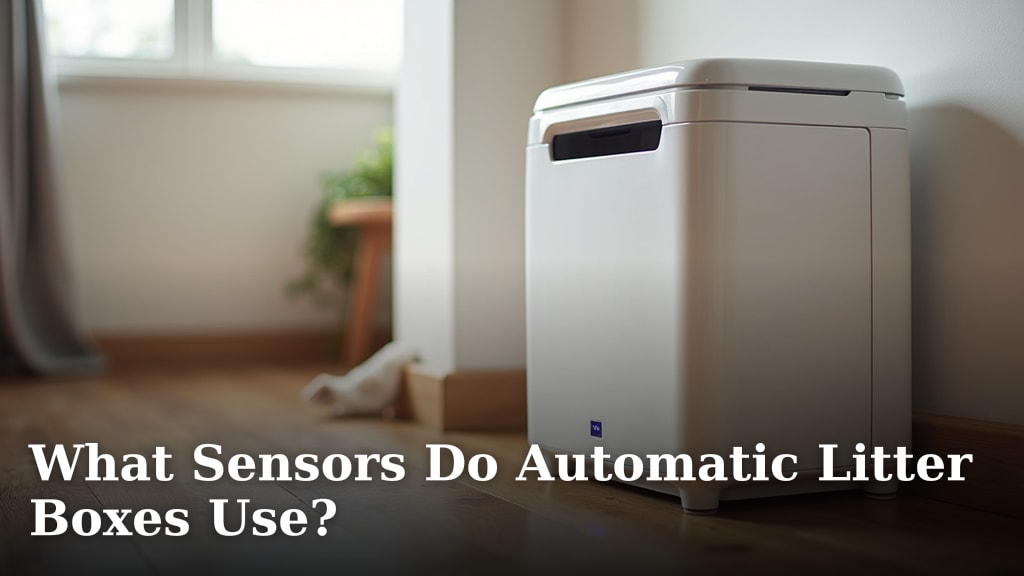
How Sensors Work in Automatic Litter Boxes
Think of an automatic litter box as a little robot. Sensors are its eyes, ears, and nose. They tell the machine when your cat has used it, when it’s time to clean, and when the waste drawer is full. Most models use a mix of two to four different sensor types to get the job done right.
You don’t need to be a tech expert to understand them. The goal is simple: keep the box clean for your cat without you lifting a finger. Let’s look at the main sensors you’ll find.
The Most Common Sensors You’ll Find
We found that the majority of automatic litter boxes rely on three core technologies. Each one has a specific job. They work together like a team to make sure waste is scooped away after your cat leaves.
Infrared (IR) Motion Sensors
These are the most common sensors. They use an invisible beam of light. When your cat breaks the beam, the litter box knows someone is inside. It will not activate the cleaning cycle while the cat is there, which is a key safety feature.
Many models also use infrared to detect if the cat is approaching. This can trigger a pre-cleaning cycle or even a light. It’s a simple, reliable technology.
Weight Sensors
These sensors are usually under the floor of the litter box. They detect the added weight of your cat. The machine waits for a specific weight increase and then a decrease. That signals the cat has left the box.
This is a very accurate way to know when the cleaning cycle should start. It prevents the box from cleaning while your cat is still inside, which could startle them.
Sensors That Check for Waste
Beyond just knowing your cat was there, some sensors look for the waste itself. This helps the box clean more effectively and reduces waste of litter.
Motion or Proximity Sensors
Some high-end boxes have sensors that can detect movement within the litter. They help the machine know if the clump is solid and ready to be moved. This is different from the motion sensor that detects your cat entering.
Odor and Air Quality Sensors
A few premium models include odor sensors. These don’t clean the box, but they might trigger a deodorizing fan or spray. This helps control smells between full cleanings. We found that these are less common but a nice extra for odor control.
Comparing Sensor Types in Automatic Litter Boxes
Here is a simple table to help you see how the sensors stack up. This can be useful when you’re shopping and comparing different brands.
| Sensor Type | What It Does | Pros | Cons |
|---|---|---|---|
| Infrared (IR) | Detects cat entry/exit | Very reliable, good safety | Can be triggered by dust or toys |
| Weight | Detects cat weight change | Very accurate, prevents false starts | Can be fooled by multiple cats of similar weight |
| Motion/Proximity | Detects movement in litter | Helps with thorough cleaning | More complex, may have more parts |
| Odor | Detects smells in the air | Helps with odor control | Not for cleaning, can be expensive |
You’ll likely see Infrared and Weight sensors in most mid-range to high-end models. That combination is a solid, reliable choice.
Choosing the Right Automatic Litter Box for Your Home
Knowing the sensors helps you pick the best box. Think about your cat and your space. The right sensors make the difference between a box that works and one that frustrates you.
Consider Your Cat’s Habits
Does your cat like to dig a lot? A box with motion sensors that detect deep digging might be good. Is your cat shy? An infrared sensor that starts the cycle only after they’re far away can help.
For multi-cat homes, weight sensors are very useful. They can help the box know if it’s the same cat or a different one. Some advanced models can even track individual cats by weight.
Safety is a Top Priority
You want a box that will never activate while your cat is inside. That’s why the combination of infrared and weight sensors is so common. Research from veterinary sources like the American Veterinary Medical Association (AVMA) highlights that safety features are critical for pet tech.
Always look for a model with multiple safety sensors. This gives you peace of mind. It’s like having a backup system for your backup.
How Sensors Keep the Litter Box Clean and Hygienic
The main reason you buy an automatic box is for cleanliness. Sensors are the brains that make this happen. They ensure the litter is scooped soon after your cat uses it.
This reduces the time waste sits in the box. That means less bacteria growth and better odor control. Studies in the Journal of Feline Medicine and Surgery point to regular waste removal as key to preventing health issues like urinary infections.
Preventing Bacteria and Odor
When a sensor triggers a cleaning cycle, the waste is moved to a sealed drawer. This isolates it from the rest of the litter. The box stays cleaner for longer, and you only need to empty the drawer occasionally.
A clean box is more inviting for your cat. Cats are naturally clean animals. If a box is dirty, they might avoid it. This can lead to litter box problems, which is stressful for both you and your pet.
Maintaining Your Automatic Litter Box
Sensors need a bit of care to work their best. Dust and litter can cover them and cause problems. A simple routine can keep everything running smoothly.
- Wipe sensors regularly: Use a dry, soft cloth to gently clean the sensor areas every week.
- Check for debris: Make sure no clumps or litter particles are stuck near the sensors.
- Follow the manual: Each model has specific cleaning instructions for its sensor types.
- Keep the area clear: Don’t place objects in front of the infrared beams.
- Use the right litter: Some litters are dustier and can cover sensors faster. Low-dust formulas can help.
You’ll find that taking a few minutes each week pays off. It prevents the machine from having “sensor errors” that can stop it from working.
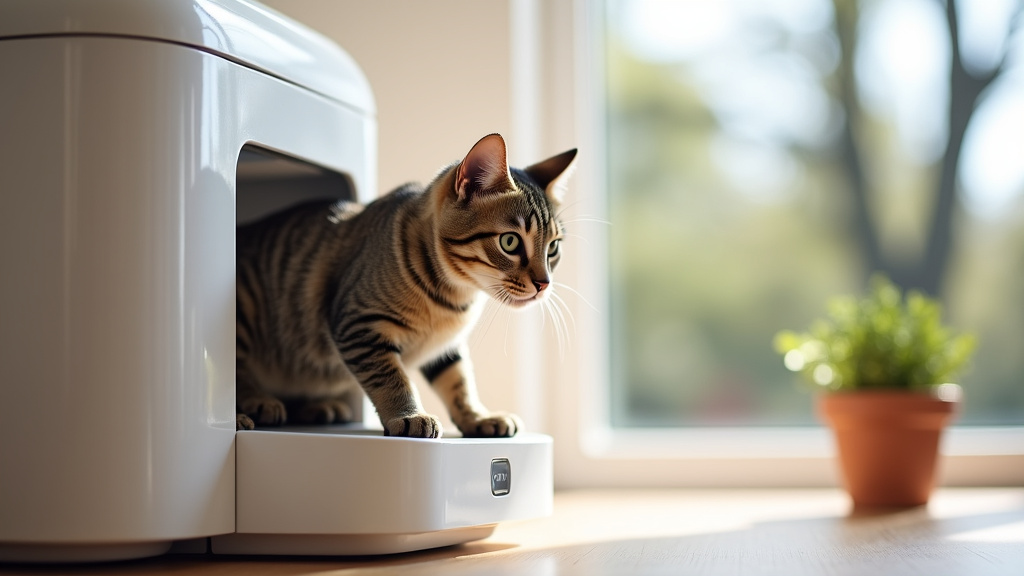
A Checklist for Automatic Litter Box Sensors
Before you buy, run through this quick checklist. It will help you make sure the sensors meet your needs. You can even print it out to compare models in the store.
- Has at least two sensor types (infrared + weight): For safety and accuracy.
- Offers a safety lock or pause feature: Lets you stop cleaning cycles when needed.
- Includes a waste drawer full sensor: Tells you when to empty the drawer.
- Is easy to clean and access sensors: So you can maintain them without a struggle.
- Works for your cat’s size and weight: Ensure the weight sensors can handle your cat.
- Has good reviews about sensor reliability: Check what other cat owners say.
This checklist isn’t complicated, but it’s powerful. It helps you avoid models with sensor issues that other buyers have complained about.
Final Thoughts on Sensor Technology
Understanding the sensors in automatic litter boxes helps you become a smarter shopper. It’s not about having the most tech; it’s about having the right tech for your situation. A good sensor system means a cleaner box and a happier cat.
We found that most cat owners are happier when the box works reliably. That reliability starts with the sensors. They are the quiet workers that keep the box fresh and your home smelling better.
Conclusion
Choosing an automatic litter box with the right sensors is key to a clean, safe, and happy home for your cat. As we’ve seen, most models use a reliable team of infrared and weight sensors to keep your pet safe and the box clean. Remember, the best tech for you is the one that fits your cat’s habits and your lifestyle. A good sensor system means less scooping and more peace of mind for you. Use the checklist we covered to compare models, and you’ll find the perfect match.
Frequently Asked Questions
How long do the sensors in an automatic litter box typically last?
With proper care, the sensors themselves are designed to last the life of the unit. Their longevity mostly depends on keeping them clean and free from litter dust. Following the manufacturer’s maintenance guidelines is the best way to ensure they function well for years.
My automatic litter box is showing a “sensor error.” What should I do?
First, unplug the unit for safety. Gently clean all visible sensors with a dry, soft cloth, as dust is the most common culprit. Check that no litter clumps are blocking any parts. If the error persists, consult your manual or contact the manufacturer’s support.
Can automatic litter box sensors tell the difference between my two cats?
Some advanced models with precise weight sensors can distinguish between cats of different weights. However, many standard boxes cannot. If you have multiple cats, look for models specifically marketed for multi-cat households to get this feature.
Do I need to do anything special when cleaning my litter box if it has sensors?
Yes, you should be gentle around the sensor areas. Avoid spraying water directly on them and use a dry cloth for cleaning. Always refer to your specific model’s manual for cleaning instructions to avoid damaging the sensitive components.
Are the motion sensors always on, even when the box is idle?
In most models, the motion or infrared sensors are always active to detect when your cat enters or exits the box. This constant vigilance is what allows the machine to start a cleaning cycle automatically once your cat leaves safely.