What is an Automatic Litter Box Entry Ramp For?
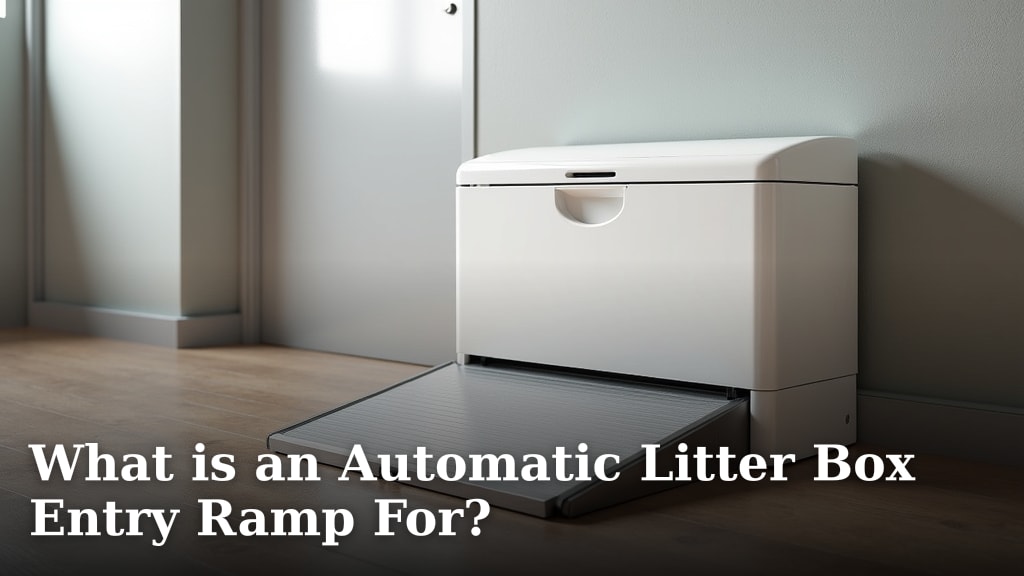
An automatic litter box entry ramp is a small ramp or step designed to help cats easily access an elevated automatic litter box. It provides a gentle incline, making it simpler for cats, especially older ones or those with mobility issues, to jump or climb into their self-cleaning toilet. This little addition can make a big difference for your feline friend’s comfort and independence.
You might be wondering why such a simple accessory is needed. Many modern automatic litter boxes sit higher off the ground than traditional ones. This elevation is great for containing messes, but it can become a barrier for some cats. An entry ramp ensures that This article discusses whether do automatic litter boxes work and their overall effectiveness.accessibility is maintained, preventing your cat from feeling shut out or struggling to get to their needed potty spot.
- Automatic litter boxes can be high off the ground.
- Cats with mobility issues might struggle to access them.
- Entry ramps provide an easier way to get in.
- They help older cats and those with arthritis.
- It’s about making litter box use comfortable for all cats.
Let’s talk about how these ramps work and if one might be the perfect fit for your cat and your automatic litter box setup.
Why Your Cat Might Need an Automatic Litter Box Ramp
When you have an automatic litter box, you’re probably enjoying the benefits of a cleaner home. But have you considered your cat’s perspective? Many automatic litter boxes are designed with a higher basin than traditional ones. This elevation can be a real challenge for some felines. An entry ramp provides a simple, effective solution for accessibility.
Think of it like a small step stool for your cat. It bridges the gap between the floor and the litter box opening. This makes it much easier for your cat to get in and out without having to make a big jump. It’s not just about convenience; it’s about ensuring your cat can use their bathroom comfortably and safely.
Understanding Automatic Litter Box Design and Cat Needs
Modern automatic litter boxes often feature a higher rim. This design helps contain litter when the box cycles and keeps smells locked away. It’s a win for you, but what about your cat? For a feline friend, that extra height can mean a difficult climb or a scary jump.
The Importance of Accessibility for Cats
Cats, by nature, are agile. However, age, health conditions, or even just personal preference can affect their ability to jump. If a litter box becomes difficult to access, a cat might start to avoid it. This can lead to accidents outside the box. Providing an easy entry point is key to preventing these issues.
Common Cat Mobility Challenges
As cats get older, they can develop arthritis. This condition causes joint pain and stiffness. Jumping and climbing become more challenging. Even younger cats can experience temporary mobility issues due to injury. For these cats, a steep jump to enter a litter box is simply too much. A ramp offers a gentle incline, respecting their physical limitations.
We found that even cats who don’t show obvious signs of pain might struggle. They might hesitate at the box or take longer to get in. Research on feline arthritis suggests that many cats live with pain without showing it outwardly (International Cat Care). So, assuming a cat can easily jump might overlook their hidden discomfort.
How an Automatic Litter Box Entry Ramp Works
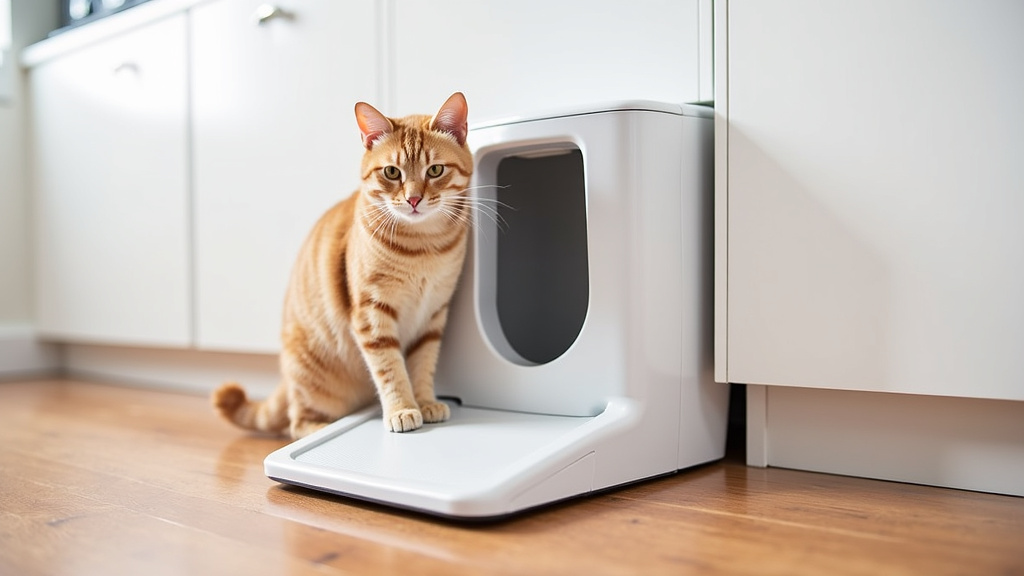
An entry ramp for an automatic litter box is straightforward. It’s a stable platform that attaches to or rests against the side of the litter box. It creates a gradual slope. Your cat walks up this slope to reach the entrance of the litter box. It’s a simple engineering solution for a common problem.
Design and Material Considerations
These ramps come in various designs. Some are made of plastic, similar to the litter box itself. Others might be made of wood or have carpeted surfaces for better grip. The key is that the ramp should be sturdy and non-slip. You don’t want it shifting when your cat uses it.
The surface is important. A smooth plastic surface can be slippery, especially if your cat’s paws are wet or dusty with litter. Many ramps include textured surfaces or small ridges to provide traction. Some users even add a piece of carpet or a yoga mat to plastic ramps for extra grip. This can make a big difference for cats who are unsure on their feet.
Placement and Stability
Proper placement is crucial. The ramp needs to align correctly with the litter box opening. It should sit flush against the side. This ensures there are no large gaps your cat could get stuck in. A wobbly ramp is worse than no ramp at all. It can frighten your cat and make them avoid the litter box entirely. Look for ramps that have a secure attachment system or a wide, stable base.
Benefits of Using an Entry Ramp
Adding a ramp to your automatic litter box setup can bring several advantages. It’s primarily about making the litter box a welcoming and accessible space for your cat.
Increased Comfort and Reduced Stress
When a litter box is hard to get into, it can cause stress for your cat. They might feel anxious about using it. A ramp removes this barrier. Your cat can enter and exit easily, leading to a more relaxed experience. This is especially true for older cats or those recovering from illness or injury.
Promoting Proper Litter Box Habits
A comfortable cat is more likely to use their litter box as intended. If the box is hard to reach, a cat might hold it. This can lead to health problems. Or, they might find an easier, but inappropriate, spot in your home. An entry ramp helps ensure that the automatic litter box remains their preferred place to go.
Supporting Senior and Special Needs Cats
Senior cats often have arthritis or reduced mobility. Kittens might also find a high entry difficult. Cats recovering from surgery or injury benefit greatly from ramps. They provide a safe way to maintain hygiene without causing further strain. Many veterinary resources suggest making accommodations for pets with mobility issues (American Veterinary Medical Association).
This is where an automatic litter box entry ramp truly shines. It allows your cat to maintain their dignity and independence. They don’t have to rely on you to help them access their litter box. This self-sufficiency is important for their well-being.
Choosing the Right Ramp for Your Cat and Litter Box
Not all ramps are created equal. You’ll want to select one that suits your cat’s specific needs and your automatic litter box model. Consider the following:
| Feature | Why It Matters | Example |
|---|---|---|
| Size and Height | Must match the height of your automatic litter box. Too short, and it won’t help. Too long, and it might not fit. | Measure your litter box height before buying. |
| Surface Grip | Prevents slipping. Crucial for cats with mobility issues. | Textured surfaces, raised dots, or carpeted options. |
| Stability | Ensures your cat feels secure. A wobbly ramp can cause fear. | Wide base, secure attachment mechanism, or heavy-duty construction. |
| Ease of Cleaning | Litter box accessories should be easy to clean. | Wipeable plastic or removable, washable surfaces. |
| Material Durability | The ramp should withstand regular use. | Sturdy, non-toxic plastic or wood. |
Assessing Your Cat’s Needs
Before you buy, observe your cat. Do they hesitate at the litter box? Do they seem to struggle when jumping? Are they an older cat showing signs of stiffness? These are all indicators that a ramp could be beneficial. A cat that is overweight may also find a ramp helpful.
Matching the Ramp to Your Litter Box
Your automatic litter box has specific dimensions. You need a ramp that fits its height and width. Some manufacturers offer ramps designed specifically for their litter boxes. If yours doesn’t, look for universal ramps. Check the product dimensions carefully. Ensure it will sit securely against your specific model.
Are There Downsides to Entry Ramps?
For the most part, entry ramps are a positive addition. However, a few things are worth noting. Some cats may initially be hesitant to use a new ramp. It’s an unfamiliar object in their space. Patience and positive reinforcement might be needed.
Also, ensure the ramp doesn’t obstruct the automatic cleaning mechanism of the litter box. If the sensor or rake hits the ramp, it could cause a malfunction. Always double-check the compatibility with your specific automatic litter box model. The ramp should not interfere with the box’s operation. We found that ensuring clearance is a key step before purchase.
When to Consider an Entry Ramp Checklist
To help you decide if an automatic litter box entry ramp is right for your cat, ask yourself these questions:
- Is your cat elderly or showing signs of arthritis?
- Does your cat hesitate or struggle to jump into the litter box?
- Is your automatic litter box significantly higher than a traditional one?
- Has your cat had a recent injury or surgery affecting mobility?
- Do you want to ensure your cat always feels comfortable using their litter box?
- Is your cat overweight, making jumping more difficult?
Conclusion
You’ve learned that an automatic litter box entry ramp is a simple yet effective tool. It bridges the gap for cats who find jumping into elevated automatic litter boxes challenging. By providing a gentle incline, these ramps ensure comfort and accessibility. This is especially important for senior cats, those with mobility issues, or even just nervous felines. Considering your cat’s individual needs and the design of your litter box will help you choose the right ramp. Investing in a ramp promotes better litter box habits and reduces stress for your furry friend, making their bathroom routine easier for everyone.
Frequently Asked Questions
Will my cat actually use a litter box ramp?
Most cats will adapt to a ramp with a little time and patience. Observe your cat’s behavior, and consider placing treats on the ramp to encourage exploration. Positive reinforcement can help them feel more comfortable with the new addition to their space.
How do I measure for the right size ramp?
You’ll need to measure the height from the floor to the top edge of your automatic litter box. Ensure the ramp’s length creates a gentle slope that matches this height. Check the product specifications for recommended height ranges.
Can an entry ramp interfere with the automatic cleaning function?
It’s possible if the ramp is not positioned correctly or is too large. Always double-check that the ramp doesn’t obstruct the litter box’s sensors or moving parts. Some manufacturers offer models designed to work specifically with their boxes.
Are there ramps suitable for very large or heavy cats?
Yes, some ramps are designed with extra stability and weight capacity. Look for models made from durable materials with a wide base or secure attachment system. Checking customer reviews can also give you an idea of a ramp’s sturdiness.
What if my cat is afraid of the ramp?
Start by placing the ramp near the litter box without attaching it. Let your cat investigate it at their own pace. You can try putting their favorite blanket or a familiar scent on it. If they remain hesitant, consult your veterinarian for advice on managing cat anxiety.