What is a Rake Style Automatic Litter Box?
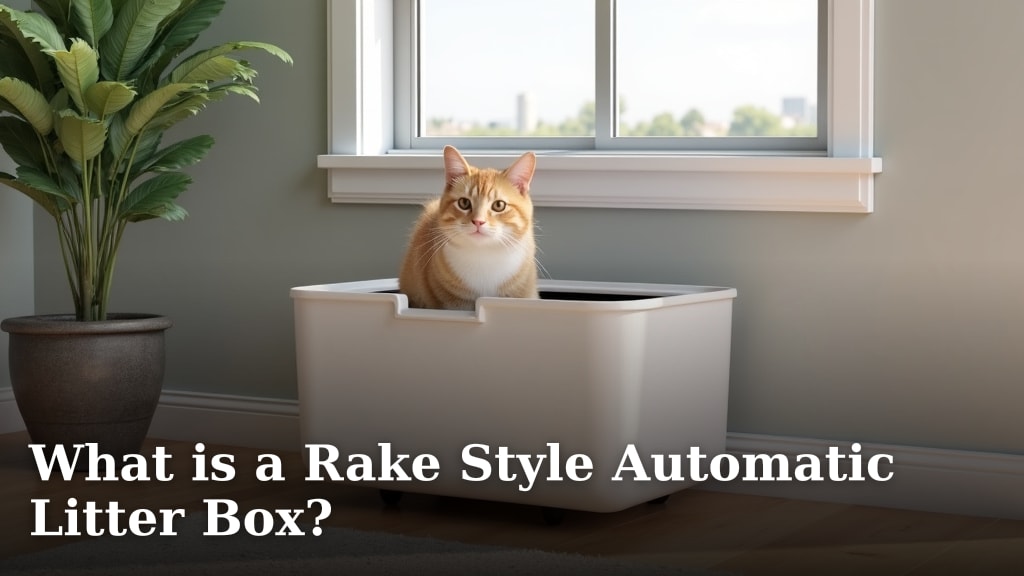
A rake style automatic litter box is a self-cleaning cat litter box that uses a mechanical rake to scoop waste. This rake moves through the litter, collecting solid waste and depositing it into a sealed compartment. It’s designed to reduce the frequency of manual scooping for cat owners.
These automated systems offer a more hands-off approach to cat waste management. Many models operate on a timer, raking at set intervals. This can help maintain a cleaner litter box and potentially reduce odors. They are a popular choice for busy pet parents seeking convenience. Our guide explains how automatic litter boxes work and if they are a good fit for your pet.
- Rake style litter boxes automate scooping.
- A mechanical rake sweeps waste into a bin.
- They reduce manual cleaning time.
- Many operate on automatic timers.
Let’s dive into what makes these rake style automatic litter boxes work and if one might be the right fit for your home.
Understanding the Mechanics of Rake Style Automatic Litter Boxes
So, you’re curious about how these automatic litter boxes, specifically the rake style, actually work? It’s simpler than you might think. Essentially, a mechanical rake moves through the litter bed. This rake is the star of the show. It’s designed to separate the solid waste from the clean litter. Once it collects the waste, it deposits it into a separate, usually sealed, compartment.
This process is often automated. Many models use a timer to initiate the raking cycle. This means you don’t have to be present for the cleaning to happen. The goal is to keep the litter box in a cleaner state between full litter changes. This can be a real convenience for cat owners.
How the Raking Mechanism Operates
The heart of the rake style litter box is its sifting mechanism. Think of it like a tiny, automated version of the manual rake you might use. When the cycle begins, the rake extends across the litter bed. It moves at a steady pace, gently pushing the solid clumps and waste forward or backward.
As it moves, the rake’s tines are spaced just right. They allow the clean litter to fall through back into the litter bed. However, the solid waste is caught by the rake. This collected waste is then carried to a designated disposal area. This area is typically a small bin or tray within the litter box itself.
Sensors and Activation
Many of these automatic litter boxes have safety features. They often include sensors. These sensors are usually weight sensors or motion detectors. They are designed to prevent the rake from operating when your cat is inside the box. This is a very important safety measure to consider.
Activation is usually triggered by a timer. You can typically set the interval yourself. For instance, you might set it to rake 15 minutes after your cat has used the box. Some models might also have manual override options. This lets you start a cleaning cycle whenever you choose.
Waste Disposal and Odor Control
Once the rake deposits the waste into the disposal compartment, it’s sealed away. This is a key benefit for odor control. The compartment is usually designed to be airtight or at least to minimize air circulation. This traps unpleasant smells.
When the waste compartment gets full, you’ll need to empty it. The frequency of this depends on your cat’s habits and the size of the compartment. Most manufacturers suggest emptying it every few days to a week. This is still significantly less frequent than scooping a traditional litter box daily.
Benefits of Choosing a Rake Style Automatic Litter Box
Switching to a rake style automatic litter box can offer several advantages. The most obvious is the reduction in daily scooping. This can free up your time and make litter box maintenance feel less like a chore.
These boxes aim to provide a consistently cleaner litter environment for your cat. Many cats prefer a clean box. This can lead to fewer accidents outside the litter box. It can also help reduce common litter box issues.
Reduced Manual Scooping
Let’s face it, scooping the litter box isn’t anyone’s favorite task. A rake style automatic litter box takes this task off your plate. Instead of scooping daily, you might only need to empty the waste bin every few days. This is a significant time saver for busy individuals or families.
Imagine coming home and not having to immediately think about scooping. This convenience can make pet ownership feel a little easier. It’s a practical solution for those who find daily scooping a burden.
Improved Litter Box Cleanliness
Cats are naturally clean animals. They often prefer to use a litter box that is fresh and free of waste. Automatic rake style boxes help maintain this freshness. By regularly removing waste, they provide a more appealing place for your cat to do their business.
Research indicates that cats may be more likely to use a litter box if it’s kept clean (Journal of Feline Medicine and Surgery). A consistently clean box can reduce the chances of your cat developing aversions. This can prevent them from seeking less desirable places to urinate or defecate.
Potential for Odor Reduction
Odor control is a major selling point for any automatic litter box. The rake style is no exception. By raking waste into a sealed compartment, the smells are largely contained. This can make a noticeable difference in the overall smell of your home.
While no litter box is completely odor-free, these systems do a good job. The enclosed waste bin is key. It prevents odors from escaping into the air. This can be a huge relief, especially for those sensitive to pet odors.
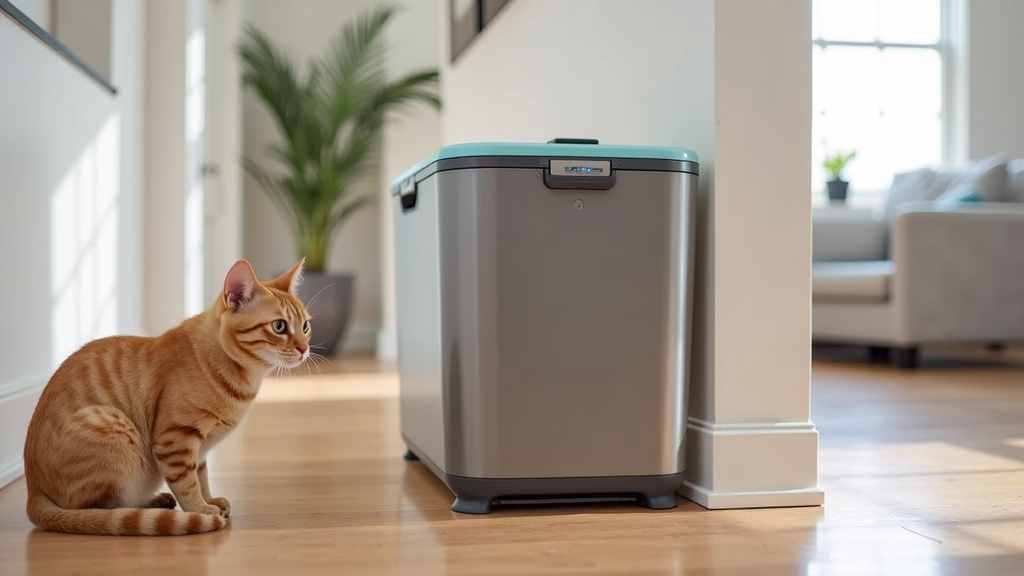
Things to Consider Before Buying a Rake Style Litter Box
While the benefits are clear, there are a few things you should think about. Not every automatic litter box is a perfect fit for every home or every cat. It’s important to weigh the pros and cons for your specific situation.
Consider your cat’s personality, the size of your home, and your budget. These factors will help you determine if a rake style automatic litter box is the right choice for you. Making an informed decision is key to a happy cat and a happy owner.
Cat Size and Weight Requirements
Some automatic litter boxes have weight limits. Your cat needs to weigh enough for the sensors to register their presence. They also need to be comfortable using the box. If your cat is very small or very large, you’ll want to check the manufacturer’s specifications carefully.
Ensure your cat can comfortably enter and exit the box. The raking mechanism also needs space to operate without bothering your pet. Most models are designed for average-sized adult cats. Very young kittens or unusually large breeds might pose a challenge.
Litter Type Compatibility
The type of litter you use is important. Rake style automatic litter boxes typically work best with clumping clay litter. This type of litter forms solid clumps when wet, which the rake can easily scoop.
Litters like silica gel or non-clumping clay might not be suitable. They may not form the solid waste clumps needed for the rake to function effectively. Always check the manufacturer’s recommendations for compatible litter types. Using the wrong litter can cause the rake to jam or not clean properly.
Maintenance and Cleaning Frequency
While automatic, these boxes still require maintenance. You’ll need to empty the waste compartment regularly. You’ll also need to do a more thorough cleaning periodically. This involves cleaning the rake mechanism, the litter tray, and the sensors.
Manufacturer guidelines often suggest a full litter change and deep clean every few weeks to a month. This depends on the number of cats you have and the box’s capacity. It’s still less frequent than a manual box, but it’s not entirely hands-off.
Cost and Power Source
Automatic litter boxes are an investment. They generally cost more upfront than traditional litter boxes. Consider your budget and look for models that offer the features you need most. Many run on AC power, so you’ll need a nearby outlet.
Some models might have battery backup options. This is useful in case of power outages. Factor in the cost of electricity if you choose a plug-in model. It’s usually minimal, but it’s something to be aware of.
Potential for Cat Adjustment
Some cats adapt to automatic litter boxes quickly. Others might be hesitant or scared at first. The sound of the rake moving or the general design can be unfamiliar. It’s important to introduce your cat to the new box slowly and positively.
You might need to leave the automatic function off for a few days. Let your cat get used to the box itself. Once they are comfortable, you can begin using the automatic cleaning feature. Patience is key during this transition period.
Here’s a quick checklist to help you decide:- Consider your cat’s size and temperament.
- Verify litter type compatibility.
- Assess your budget for upfront and ongoing costs.
- Think about where you can place the box near an outlet.
- Be prepared for a potential adjustment period for your cat.
- Read reviews from other pet owners with similar cats.
Conclusion
A rake style automatic litter box can certainly simplify your cat care routine. By automating the scooping process, it frees up your time and helps maintain a consistently cleaner environment for your feline friend. Remember to consider your cat’s size, your preferred litter type, and the box’s maintenance needs before making a purchase. If you’re looking for convenience and improved odor control, and your cat is adaptable, exploring these automated options is a practical step.
Your next step is to compare specific models based on these factors and read user reviews to find the best fit for your home and your cat.
Frequently Asked Questions
Will my cat be scared of a rake style automatic litter box?
Some cats may be initially hesitant due to the noise or movement. It’s best to introduce your cat slowly, letting them get used to the box before activating the automatic cleaning. Many cats adapt well once they see it consistently cleans itself.
What kind of litter works best with these boxes?
Rake style automatic litter boxes generally perform best with clumping clay litter. This type of litter forms solid clumps when wet, which the rake can easily scoop and separate from clean litter. Non-clumping litters may not work effectively.
How often do I need to empty the waste compartment?
This depends on your cat’s usage and the size of the waste bin. Most owners find they need to empty it every few days to once a week. This is still far less frequent than daily manual scooping.
Are these boxes safe for kittens or very small cats?
You should check the manufacturer’s specifications carefully. Many models rely on weight sensors to detect a cat’s presence, which might not register for very light kittens or small breeds. Ensuring your cat is heavy enough to trigger the sensors is important for safety.
How much maintenance is involved besides emptying the waste?
Beyond emptying the waste bin, you’ll need to do a full litter change and deeper clean periodically, usually every few weeks to a month. This involves cleaning the rake, sensors, and the litter tray itself to ensure proper function.