Silica in Cat Litter: What You Should Know
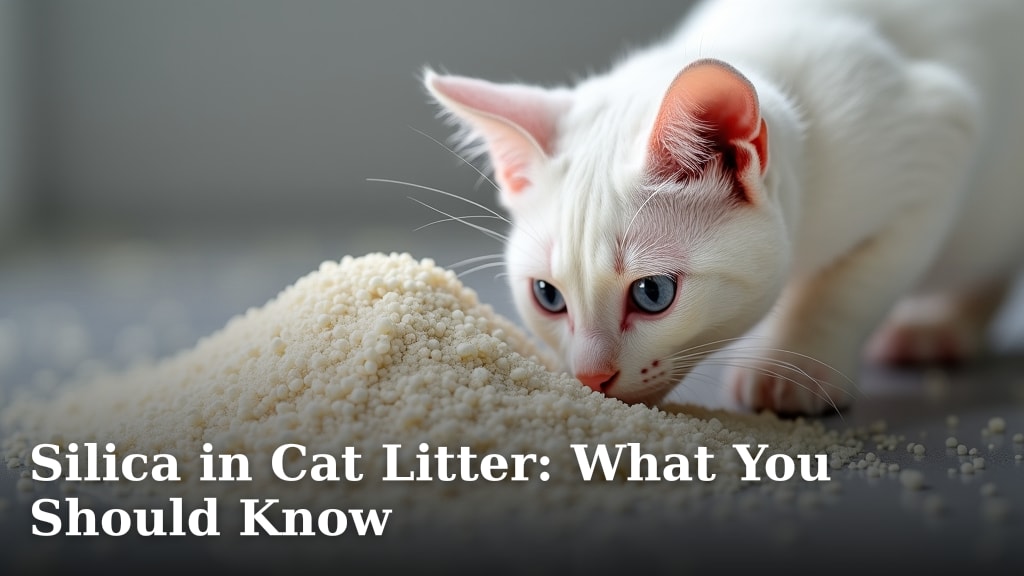
Silica in cat litter, often found as crystalline silica or silica gel, is generally safe for most cats when used as directed. While it’s a popular choice for its excellent odor control and clumping abilities, understanding its potential risks and how to mitigate them is wise for any cat owner. You want the best for your furry friend, and that includes a safe litter box environment.
Many cat owners worry about silica dust. Research suggests that while prolonged, high-level exposure to fine silica dust can be a concern, the silica used in most cat litters is processed to minimize these risks. It’s important to choose litters that advertise low dust content and to practice good litter box hygiene. Proper ventilation in the litter box area is also a smart strategy.
- Silica litter is common and generally safe.
- It’s known for good odor control and clumping.
- Watch out for dust; choose low-dust options.
- Proper hygiene and ventilation are key.
- Always follow product instructions.
We know you want to make the best choices for your cat’s health and happiness. Below, we break down what you should really know about silica in cat litter, from its benefits to potential concerns, so you can choose with confidence. If you’re curious about automating litter box cleaning, our guide to automatic cat litter boxes explains how they work.
Understanding Silica in Your Cat’s Litter Box
You’re here because you want to know more about silica cat litter. Many cat parents are curious about what’s in their cat’s litter box. Silica is a common ingredient. It’s known for its ability to control odors and absorb liquids. We’ll break down what you need to know about it.
What Exactly is Silica Litter?
Silica litter is made from silicon dioxide. This is the same element found in sand and quartz. In cat litter, it’s usually in the form of silica gel crystals. These crystals are highly porous. That means they have many tiny holes. These holes trap moisture and odors effectively. Think of them like tiny sponges for your cat’s business.
Silica Gel vs. Crystalline Silica
You might see terms like “silica gel” or “crystalline silica.” Silica gel is the processed form. It’s designed to be absorbent. Crystalline silica is a natural form. The type used in most cat litters is processed. This processing aims to make it safer for household use. Most reputable brands use treated silica to reduce potential risks.
The Pros of Using Silica Litter
There are good reasons why silica litter is so popular. It really shines in a few key areas. You’ll likely notice these benefits right away.
Excellent Odor Control
This is often the biggest draw. Silica crystals are fantastic at trapping odors. They absorb the moisture and lock away the smell. This means your home can stay fresher. Many owners find it a significant improvement over other litter types. It’s like having a tiny odor-fighting army in the litter box.
Superior Absorbency and Clumping
Silica litter can absorb a lot of liquid. Some types form solid clumps. This makes scooping easier. You can often remove soiled litter cleanly. This can lead to using less litter overall. Less waste means less to scoop and less to buy. That’s a win for both you and your wallet.
Low Tracking and Dust (Generally)
Many silica litters are designed to be low-tracking. The larger crystals don’t stick to paws as easily. They also tend to be less dusty than clay litters. However, this can vary by brand. Always check product descriptions. Some brands focus heavily on dust reduction. This is especially important for sensitive cats or people.
Potential Concerns with Silica Litter
While silica litter has many benefits, it’s wise to be aware of potential downsides. Most are manageable with good practices.
The Dust Factor: What to Know
The main concern often raised is silica dust. When silica is very finely ground, it can create dust. Inhaling fine crystalline silica dust over long periods and at high concentrations can be a health risk. This is a known issue in industrial settings, like mining or construction (CDC). However, the silica used in cat litter is generally processed differently. It’s often larger, treated, or encapsulated. Still, some dust can be generated during pouring or scooping. Choosing a low-dust formula is your best bet. You can also try pouring the litter gently. This minimizes dust clouds. Good ventilation in the room helps too.
Ingestion Risks: Is it Harmful if Swallowed?
Accidental ingestion of small amounts of silica litter is unlikely to cause harm. The material is considered non-toxic. If your cat eats a large amount, it could potentially cause an upset stomach or blockage. This is true for many non-food items cats might ingest. If you notice your cat eating litter, consult your veterinarian. It could be a sign of a medical issue or behavioral problem.
Environmental Impact
Silica is not biodegradable. Unlike some plant-based litters, it won’t break down naturally. This means it contributes to landfill waste. Some people prefer litters made from sustainable materials for this reason. Disposal is something to consider for your household.
Choosing the Right Silica Litter for Your Cat
Not all silica litters are created equal. You have options to make the best choice for your home and your feline friend.
Read the Labels Carefully
Look for terms like “low dust,” “dust-free,” or “odor control.” Brands often highlight their specific features. Some litters are made with larger crystals. Others might have added ingredients to reduce dust. Checking reviews can also give you an idea of a product’s performance.
Consider Your Cat’s Needs
Does your cat have respiratory issues? Or allergies? If so, a low-dust formula is essential. Some cats are sensitive to scents. Most silica litters are unscented, but always double-check. Observe your cat’s behavior. Are they sneezing more? Or avoiding the box? These could be signs the litter isn’t a good fit.
Watch Out for Additives
Some silica litters might have added perfumes or deodorizers. While these can boost odor control, some cats dislike them. They can also cause sensitivities in some pets and people. Unscented options are generally the safest bet for most cats.
Best Practices for Using Silica Litter
Using silica litter safely and effectively involves a few simple steps. These will help you get the most out of it and keep your cat happy.
Proper Litter Box Maintenance
Even with great odor control, regular scooping is key. Aim to scoop at least once a day. This keeps the litter box clean and inviting for your cat. Completely changing the litter and washing the box should be done periodically. Follow the specific instructions on your litter’s packaging for how often.
Ensure Good Ventilation
Place the litter box in a well-ventilated area. This helps dissipate any dust or odors. Avoid small, enclosed spaces. A bathroom or laundry room with a fan or window is often ideal. This isn’t just for silica litter; good ventilation is a smart move for any litter type. For those interested in advanced litter box solutions, an automatic litter box can simplify maintenance.
Handle Litter Safely
When pouring new litter or scooping, try to minimize dust. Pour slowly and close to the box. Consider wearing a mask if you are particularly sensitive to dust. Wash your hands thoroughly after handling cat litter. These are good habits for any cat owner.
Consult Your Vet If You Have Concerns
If you have specific worries about silica litter or your cat’s health, always talk to your veterinarian. They can offer personalized advice based on your cat’s individual needs. They can also help you troubleshoot any litter box issues you might be experiencing.
A Quick Checklist for Silica Litter Users
Here’s a handy summary to keep in mind:
- Always choose low-dust formulas when possible.
- Scoop the box daily to maintain freshness.
- Ensure the litter box area is well-ventilated.
- Pour litter gently to minimize dust clouds.
- Wash your hands after scooping or refilling.
- Monitor your cat for any signs of irritation or avoidance.
Conclusion
You’ve learned that silica litter is a popular choice for its excellent odor control and absorbency. While concerns about dust are valid, most manufacturers process silica to minimize risks. By choosing low-dust formulas, practicing good litter box hygiene, and ensuring proper ventilation, you can create a safe and fresh environment for your cat. Remember to always follow product instructions and consult your vet if you have any specific worries. Your cat’s well-being is always the top priority, and making an informed choice about their litter is a great step.
Frequently Asked Questions
Is silica cat litter safe if my cat eats it?
Accidental ingestion of small amounts of silica litter is generally considered non-toxic. However, if your cat eats a large quantity, it could potentially lead to an upset stomach or blockage. If you notice your cat eating litter regularly, it’s best to consult your veterinarian, as this could indicate a health issue.
How can I reduce silica dust when pouring cat litter?
To minimize dust when pouring, try to do it gently and slowly. Pouring the litter close to the bottom of the litter box can also help. If you are particularly sensitive to dust, wearing a simple mask while refilling the box can offer extra protection for yourself.
How often should I completely change silica cat litter?
The frequency for a full litter change can vary by brand and usage, but generally, silica litter can last longer than other types. Always check the product packaging for specific recommendations. Many owners find a complete change and box wash every 2-4 weeks is sufficient with daily scooping.
Can silica litter be bad for cats with allergies or asthma?
For cats with allergies or respiratory issues, it’s crucial to select silica litters specifically labeled as “low dust” or “dust-free.” Even low-dust options can sometimes cause irritation, so monitor your cat for any signs of sneezing or discomfort after switching. Unscented litters are always recommended for sensitive pets.
What’s the difference between silica gel and crystalline silica in cat litter?
Silica gel is a processed, highly absorbent form of silicon dioxide, often in crystal form, designed for moisture and odor control. Crystalline silica is a natural form. Most reputable cat litter brands use treated or processed silica that is less likely to create harmful dust compared to raw, finely ground crystalline silica found in industrial settings.