Round Automatic Litter Box: A Simple Guide
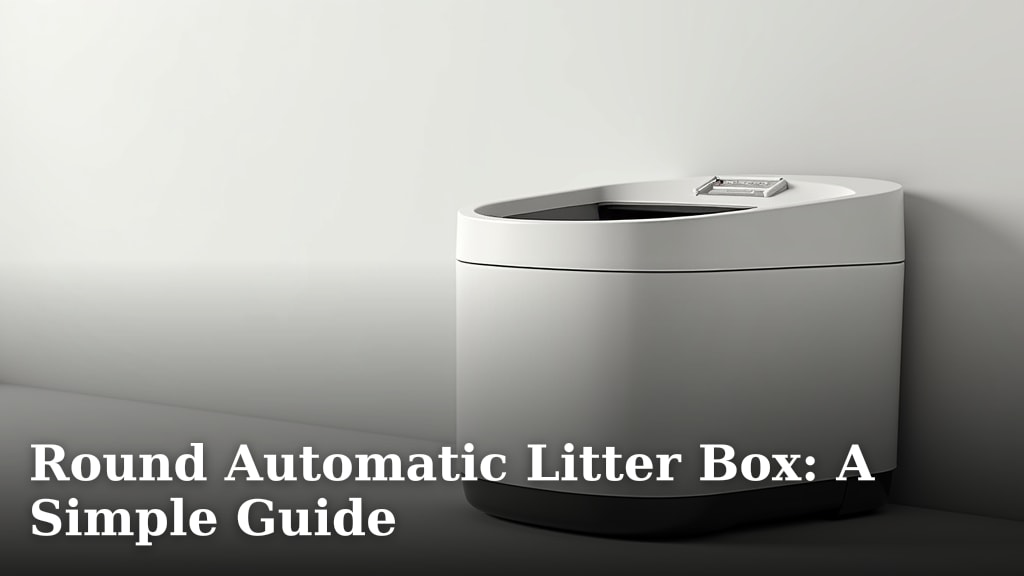
A round automatic litter box is a self-cleaning cat toilet designed to simplify waste management for cat owners. It automatically detects when your cat has used the box and then cycles to remove waste, keeping the litter fresh. This means fewer scooping duties for you and a cleaner environment for your feline friend. Many users find these automatic systems greatly reduce odor.
These innovative devices work by using sensors to sense your cat’s presence. Once they leave, a mechanism activates to sift or scoop the waste into a hidden receptacle. We found that choosing the right model often depends on your cat’s size and your budget. A well-maintained automatic litter box can be a real time-saver and help maintain a happier home.
- What it is: A self-cleaning cat toilet.
- How it works: Automatically removes waste after use.
- Benefits: Reduces odor and scooping time.
- Key consideration: Model choice depends on cat size and budget.
Ready to learn more about how these round automatic litter boxes can make your life easier? Let’s walk through exactly how they operate and what you should consider before making a purchase.
Understanding Your Round Automatic Litter Box
A round automatic litter box is a self-cleaning cat toilet. It’s designed to make your life easier. You’ll spend less time scooping and more time enjoying your feline friend. These devices aim to keep the litter box consistently clean. This can lead to a happier cat and a fresher-smelling home for you.
Think of it as an automated butler for your cat’s bathroom needs. When your cat leaves the box, a sensor detects its departure. Then, a mechanism kicks in to clean the litter. This usually involves sifting the waste or depositing it into a separate compartment. We found that the primary goal is convenience for the owner and cleanliness for the pet.
How Does a Round Automatic Litter Box Actually Work?
The magic behind these automated systems lies in smart technology. They use sensors to know when your cat is inside and when it has finished its business. Once your cat steps out, the cleaning cycle begins. It’s pretty clever and designed to be unobtrusive to your pet.
The Sensor System: Your Cat’s Cue
Most round automatic litter boxes use weight sensors or infrared sensors. These detect when your cat enters and exits the unit. They’re usually very sensitive, distinguishing between your cat and just normal litter movement. This ensures the cleaning cycle only starts after your cat has truly left.
The timing is also important. These boxes don’t clean immediately. They typically have a delay, often around 5 to 15 minutes. This buffer period ensures your cat is fully out and gives the system time to work. We found this delay is often appreciated by cats who are easily startled.
The Cleaning Cycle: Sifting and Storing
Once the timer is up, the cleaning process starts. There are a few common methods:
- Rotating Drum: The entire drum of litter rotates. It separates clumps through a sieve, dropping waste into a hidden bin.
- Raking Mechanism: A rake or comb moves through the litter. It scoops up clumps and deposits them into a waste drawer.
- Conveyor Belt: Some models use a conveyor belt system. It moves litter, separating waste and collecting it.
The waste is then sealed away in a compartment. This is usually lined with a waste bag. It significantly reduces odor compared to traditional litter boxes. You then empty this compartment periodically, much like emptying a small trash can.
Benefits of Going Round and Automatic
Switching to an automatic litter box, especially a round model, can offer several advantages. It’s more than just a novelty; it addresses common cat owner challenges.
Odor Control: A Breath of Fresh Air
One of the biggest wins is odor reduction. Manual scooping often leaves waste exposed. Automatic systems quickly remove waste from the clean litter. This containment is key to managing smells. Many users report a dramatic improvement in home air quality.
Think about it: no more lingering odors from a recently used box. The waste is sealed away almost immediately after your cat leaves. This is particularly helpful in smaller homes or apartments. Many experts agree that prompt waste removal is crucial for odor management (NCBI).
Time Savings: Reclaim Your Weekends
Let’s be honest, scooping the litter box isn’t anyone’s favorite chore. An automatic box can cut down your scooping frequency drastically. Instead of scooping daily, you might only need to empty the waste drawer every few days or even weekly, depending on the model and your cat. This gives you back precious time.
We found that this time saving is a major selling point. For busy households, it’s a true convenience. It means one less daily task to worry about. You can focus on playing with your cat or just relaxing.
A Cleaner Environment for Your Cat
Cats are naturally clean animals. They prefer a clean litter box. A constantly clean environment can encourage proper litter box habits. It may even help prevent accidents outside the box. A happy cat often means a happier home environment for everyone.
If your cat seems reluctant to use its litter box, cleanliness could be the issue. An automatic box ensures a fresh bed of litter every time. This can be a game-changer for cats who are picky about their facilities. Research suggests that a clean litter box is vital for feline well-being (AAFP).
Choosing the Right Round Automatic Litter Box
Not all round automatic litter boxes are created equal. You’ll want to consider a few things before you buy. Your cat’s needs and your budget are important factors.
Size Matters: Accommodating Your Cat
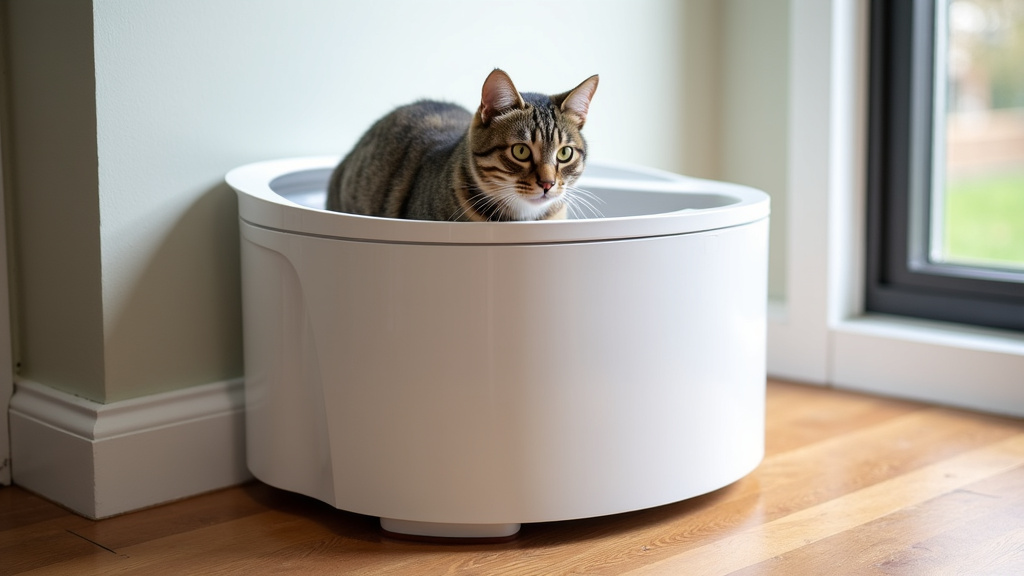
Round models come in various sizes. Ensure the interior space is large enough for your cat. Your cat should be able to turn around comfortably and dig. A box that’s too small can deter your cat from using it. Check the product dimensions carefully.
For larger breeds like Maine Coons or Ragdolls, you’ll need a more spacious model. Some round designs might feel more confined than traditional large, open boxes. Measure your cat from nose to tail base to get an idea of their spatial needs. We found that roomy is usually better.
Waste Management System: Capacity and Ease of Use
Consider how the waste is collected. Some units have smaller waste bins that need more frequent emptying. Others have larger capacity bins, extending the time between emptying. Also, think about how easy it is to remove and clean the waste receptacle.
Some systems use specialized bags, while others can use standard trash bags. The ease of replacing bags or cleaning the bin is a practical consideration. You don’t want a system that’s difficult to maintain. Think about how much effort you’re willing to put in.
Noise Level: A Quiet Operation?
The cleaning mechanism can make some noise. This might startle sensitive cats or even light sleepers. Many modern units are designed to be quieter. Look for reviews that mention noise levels. Some brands even offer quieter motor options or specific quiet modes.
If your cat is easily spooked by sounds, this is a crucial factor. You might want to run the cleaning cycle manually a few times when you’re home. This lets your cat get used to the sound before it operates automatically. Observe your cat’s reaction.
Litter Type Compatibility
Most automatic litter boxes work best with clumping litter. This is because the cleaning mechanism is designed to pick up clumps. Some units may have specific litter depth requirements. Always check the manufacturer’s recommendations for compatible litter types.
Using the wrong type of litter can cause the system to malfunction. It might not sift properly or could even damage the mechanism. Stick to what the manufacturer suggests for optimal performance. This will save you headaches down the line.
Setting Up and Maintaining Your Automatic Litter Box
Getting your new automatic litter box up and running is straightforward. Regular maintenance ensures it lasts and functions well.
Initial Setup Steps
First, find a suitable location. It should be quiet and accessible for your cat. Set up the unit according to the instructions. This often involves assembling a few parts and plugging it in.
Add the recommended type and amount of litter. You might want to mix in some of your cat’s old litter. This helps them recognize the scent. Allow your cat to explore it at their own pace. Don’t force them to use it.
Regular Cleaning and Care
Empty the waste compartment as needed. This is usually every few days to once a week. Clean the interior of the litter box periodically. Wipe down sensors and the exterior with pet-safe cleaners.
Follow the manufacturer’s guidelines for deep cleaning. This might involve running a cleaning cycle with water or removing certain parts. Keeping the sensors clean is especially important for proper operation. Check for any litter buildup that could interfere with the mechanism.
Troubleshooting Common Issues
What if your cat is hesitant? Try placing their favorite toys or treats near the box. Positive reinforcement can help. If the sensors aren’t detecting correctly, check for litter buildup or debris. Ensure the unit is on a level surface.
If the cleaning cycle seems to get stuck, check the waste bin. Is it full? Is there an obstruction in the rake or drum? Sometimes, simply resetting the unit can fix minor electronic glitches. Always refer to your manual for specific troubleshooting steps.
A Quick Checklist for Your New Litter Box
Before you finalize your decision, run through this quick checklist. It covers the essentials you should think about.
- Does the size fit your cat comfortably?
- Is the waste capacity sufficient for your needs?
- Are there reviews about its noise level?
- Is it compatible with your preferred litter type?
- Is the waste disposal system easy to manage?
- Does the manufacturer offer good customer support?
Conclusion
You’ve learned how round automatic litter boxes offer a convenient solution to daily scooping. They work by using sensors to detect when your cat has left, then automatically cleaning the litter. This helps significantly reduce odors and saves you precious time. When choosing a model, remember to consider your cat’s size, the waste capacity, and noise levels. Making the right choice ensures a cleaner home and a happier feline. Now that you understand the basics, you’re ready to find the perfect automatic litter box for your needs.
Frequently Asked Questions
How long does it take for an automatic litter box to clean?
Most automatic litter boxes have a built-in delay. This is usually between 5 to 15 minutes after your cat leaves. This ensures your cat is safely away from the unit. The cleaning cycle itself typically takes only a few minutes to complete.
Can I use any type of litter with a round automatic litter box?
Generally, automatic litter boxes work best with clumping litter. The cleaning mechanism is designed to scoop or sift solidified waste. Always check your specific model’s manual to confirm the recommended litter type. Using the wrong litter can affect performance.
How often do I need to empty the waste drawer?
This depends on the litter box’s capacity and how many cats use it. For a single cat, you might only need to empty it once every few days to a week. If you have multiple cats, you’ll need to empty it more frequently.
Will the noise of the automatic cleaning scare my cat?
Some cats might be startled by the initial sound of the cleaning cycle. Many newer models are designed to operate more quietly. You can help your cat adjust by letting them explore the box and observing them. Some owners run the cycle manually first to get their cat accustomed to the noise.
Are round automatic litter boxes easy to clean overall?
Yes, they are designed for ease of maintenance. You’ll need to empty the waste drawer regularly. Periodic cleaning of the interior and sensors is also required. Most manufacturers provide clear instructions for deeper cleaning, ensuring your unit runs smoothly.