Robotic Litter Box vs Manual Litter Box: Explained
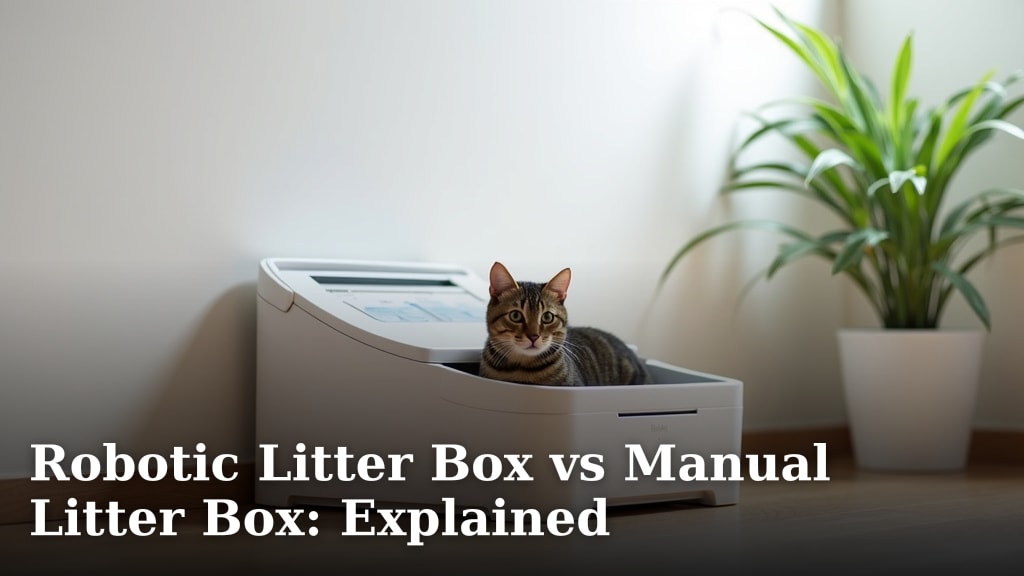
When choosing between a robotic litter box and a manual litter box, the main difference comes down to automation and cost. Robotic models offer automatic cleaning, saving you daily scooping time, but come with a higher upfront price. Manual boxes are simpler and more budget-friendly, requiring manual scooping.
Your decision hinges on your budget and how much time you want to dedicate to litter box duty. While robotic options provide convenience, they also involve maintenance and potential technical issues. Manual boxes are straightforward and reliable, with the primary task being regular scooping.
- Robotic boxes clean themselves automatically.
- Manual boxes require daily scooping.
- Robotic boxes have a higher initial cost.
- Manual boxes are more affordable upfront.
- Consider your budget and time commitment.
Let’s break down exactly what each type offers and which might be the best fit for your home and feline friend.
Understanding the Differences: Robotic vs. Manual Litter Boxes
Choosing a litter box is a big decision for any cat owner. You want what’s best for your feline friend and what makes your life easier. Robotic and manual litter boxes serve the same basic purpose, but they do it in very different ways. We’ll explore these differences to help you find the right fit.
What is a Manual Litter Box?
A manual litter box is the classic, no-frills option. It’s essentially a container for your cat’s waste. You provide the litter, and you do the cleaning. This has been the standard for cat owners for generations. They are simple, reliable, and generally very affordable.
How Manual Litter Boxes Work
You fill the manual box with cat litter. Your cat uses it as a designated toilet. After each use, or at least once a day, you manually scoop out the solid waste and soiled litter. The goal is to keep the box clean for your cat. Cats are naturally clean animals. They prefer a tidy bathroom, just like us.
Pros of Manual Litter Boxes
- Affordability: Manual boxes are typically much cheaper to buy. You can find a basic one for less than $20. Even a nicer, higher-sided model won’t break the bank.
- Simplicity: There are no moving parts or electronics. This means nothing to break down or troubleshoot.
- Portability: They are usually lightweight and easy to move. This is helpful for cleaning or if you need to relocate the box.
- Variety: You have a huge range of sizes, shapes, and materials to choose from. Hooded, open, corner – the options are vast.
Cons of Manual Litter Boxes
- Daily Scooping: This is the biggest drawback. You have to scoop waste out every single day, sometimes twice. This can be a chore, especially if you have multiple cats.
- Odor Control: Without regular cleaning, manual boxes can become smelly. You need to be diligent about scooping and changing the litter.
- Hygiene Concerns: You are directly handling waste. Proper handwashing is always necessary.
What is a Robotic Litter Box?
A robotic litter box takes the chore out of litter box duty for you. These are high-tech devices designed to clean themselves. They use sensors and motors to detect when your cat has used the box. Then, they automatically rake or sift the litter to remove waste.
How Robotic Litter Boxes Work
Once your cat leaves the box, a sensor often detects their departure. After a set delay, the mechanism activates. A rake or a sifting system moves through the litter. It deposits solid waste into a sealed compartment. This leaves clean litter behind for the next use. The waste compartment usually holds several days’ worth of waste.
Pros of Robotic Litter Boxes
- Automatic Cleaning: This is the main selling point. You don’t have to scoop daily. This saves a lot of time and effort.
- Odor Control: The automatic sifting and sealed waste compartment help manage odors better than a manual box.
- Consistent Cleanliness: The box is generally cleaner for your cat, as it self-cleans after each use.
- Less Frequent Full Changes: You might not need to do a full litter change as often, depending on the model and your cat.
Cons of Robotic Litter Boxes
- High Cost: Robotic litter boxes are significantly more expensive than manual ones. Prices can range from $300 to $700 or more.
- Maintenance and Technical Issues: These are electronic devices. They can malfunction, requiring troubleshooting or repairs. Some require specific types of litter to work correctly.
- Size and Weight: They are often larger and heavier than manual boxes. This makes them harder to move.
- Cat Acceptance: Some cats are hesitant to use a new, noisy, or moving litter box. Introducing it slowly is often necessary.
- Power Source: They require electricity to function. You’ll need to place it near an outlet.
Key Differences at a Glance
Let’s put the core differences side-by-side. This comparison should make it clearer which type might suit your household better.
| Feature | Manual Litter Box | Robotic Litter Box |
|---|---|---|
| Cleaning Method | Manual scooping by owner | Automatic self-cleaning |
| Upfront Cost | Low ($10 – $50) | High ($300 – $700+) |
| Daily Effort | Scooping required | Minimal (emptying waste bin) |
| Odor Control | Depends on frequency of cleaning | Generally better due to automation |
| Maintenance | Washing the box occasionally | Cleaning sensors, motors, waste bin; potential repairs |
| Power Requirement | None | Requires electricity |
| Complexity | Very simple | Electronic, mechanical |
Are Robotic Boxes Worth the Investment?
For many people, the convenience of a robotic litter box is a major draw. If you dislike scooping, have mobility issues, or simply want to free up your time, the upfront cost might be justifiable. Think about how much your time is worth. You’re essentially paying for convenience and reduced daily effort. Many users report being very happy with the time savings (Good Housekeeping Institute). However, you must also factor in potential repair costs or the need for replacement down the line.
When to Stick with a Manual Box
If your budget is tight, or you don’t mind the daily scooping routine, a manual box is perfectly fine. They are reliable, easy to maintain, and won’t surprise you with an unexpected repair bill. For single-cat households or owners who are very diligent with cleaning, a manual box can keep things fresh and odor-free. Plus, you have endless choices in style and design.
Choosing the Right Litter
The type of litter you use can impact both manual and robotic boxes. For manual boxes, you have total freedom. Clumping clay, natural, silica gel – the choice is yours. For robotic boxes, this is more important. Many manufacturers recommend or require specific types of litter. Usually, this is clumping litter that is not too dusty. The rake or sifting mechanism needs to work effectively with the litter’s texture. Always check the manufacturer’s guidelines for your robotic model.
Cat Behavior and Litter Box Choice
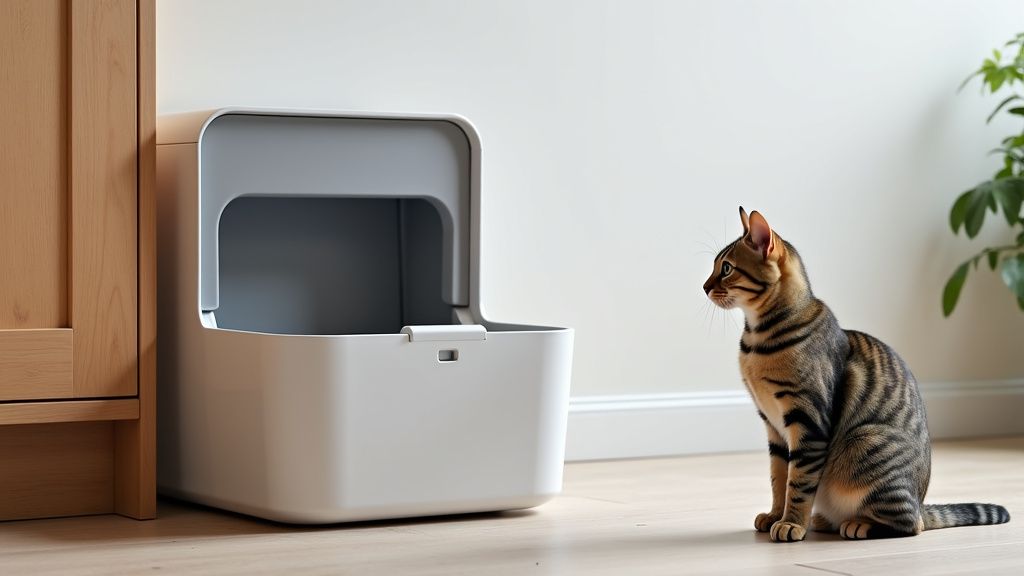
Your cat’s personality plays a role too. Some cats are very adaptable and curious about new things. Others are creatures of habit and can be easily spooked. If your cat is timid or sensitive, introducing a noisy robotic box might be challenging. It’s often recommended to place the new robotic box next to their old manual one. Let them explore it on their own terms. Allow them to use their old box until they are comfortable with the new one. Patience is key.
We found that for some cats, the movement or sounds of a robotic box can be unsettling. They might avoid it altogether. In these cases, a manual box remains the best solution. Cats need to feel safe and comfortable using their litter box (American Veterinary Medical Association).
Your Checklist for Deciding:
- Budget: How much can you comfortably spend upfront?
- Time Commitment: How much time do you want to spend on litter box duty each day?
- Cat’s Temperament: Is your cat easily scared or adventurous?
- Odor Concerns: How sensitive are you to litter box smells?
- Space: Do you have room for a potentially larger robotic unit?
- Technical Comfort: Are you okay with maintaining electronic devices?
Conclusion
Deciding between a robotic and manual litter box boils down to your priorities. If you prioritize convenience and time savings, and your budget allows, a robotic option could be a great fit. It automates a less-than-pleasant chore. However, if you’re on a tighter budget, prefer simplicity, and don’t mind daily scooping, a manual litter box is a perfectly reliable choice. Consider your cat’s personality and your own preferences to make the best decision for your household.
Your next step is to review your budget and daily routine. Then, choose the litter box that best matches your lifestyle and your feline friend’s comfort.
Frequently Asked Questions
How often do I need to empty the waste bin on a robotic litter box?
This depends on the specific model and the number of cats you have. Most robotic litter boxes can hold waste for several days, sometimes up to a week or more for a single cat. You’ll receive an alert or notice when the waste compartment is full and needs emptying.
Will my cat actually use a robotic litter box?
Many cats adapt quickly, but some may be hesitant at first due to the new sounds or movement. It’s recommended to introduce the robotic box gradually, placing it near their old one and allowing them to explore at their own pace. Patience is key to helping your cat feel comfortable.
Are robotic litter boxes difficult to clean and maintain?
While they clean themselves daily, robotic boxes still require periodic deep cleaning. You’ll need to clean sensors, the rake mechanism, and the waste bin itself. Refer to the manufacturer’s instructions for specific cleaning recommendations, as maintenance can vary by model.
Can I use any type of cat litter with a robotic litter box?
Not always. Most robotic litter boxes work best with a specific type of litter, usually a clumping clay litter that isn’t too dusty. The raking or sifting mechanism needs the litter to clump effectively to separate waste properly. Always check your robotic box’s manual for recommended litter types.
What happens if a robotic litter box malfunctions?
Like any electronic device, robotic litter boxes can sometimes malfunction. Most come with a warranty, and manufacturers offer customer support for troubleshooting. Depending on the issue, you might be able to fix it yourself or require professional repair. Some models may offer a manual override or fail-safe mode.