Open Automatic Litter Box: A Simple Guide
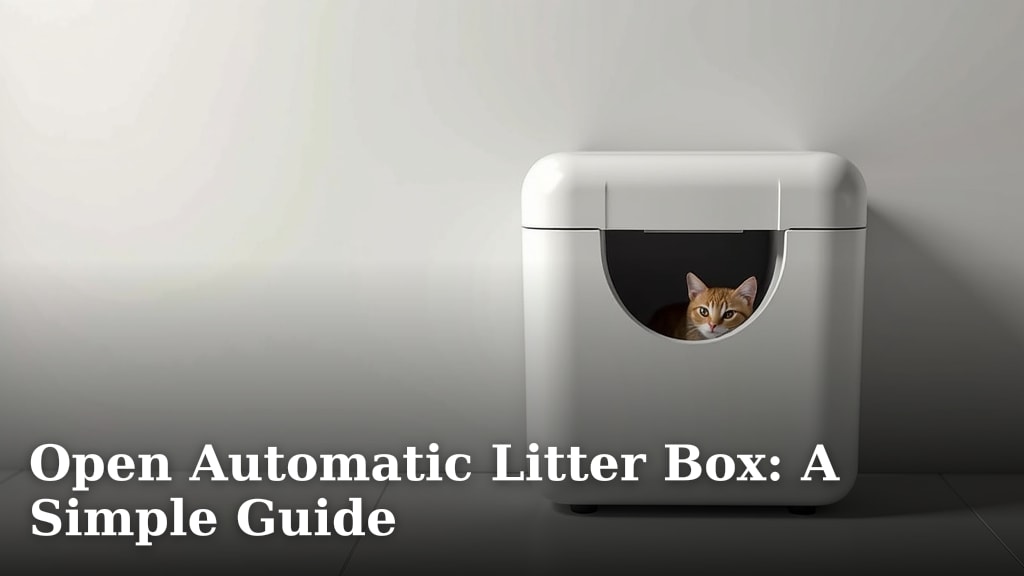
An open automatic litter box is a type of self-cleaning cat litter box that features an open-top design, making it less intimidating for some cats. Unlike fully enclosed models, these boxes often have a wider entrance and a more accessible basin. This design can help cats feel less trapped and more comfortable while using the box. They work by automatically raking or sifting waste after each use, depositing it into a sealed compartment.
Many cat owners find these open automatic litter boxes to be a convenient solution for managing litter box duties. They can significantly reduce the frequency of manual scooping and help maintain a cleaner environment. Choosing the right automatic litter box involves considering your cat’s size and temperament, as well as the box’s odor control features and ease of maintenance. We’ve researched to provide you with the key factors to consider.
- Open design is great for cats who dislike enclosed spaces.
- Automatically cleans itself after your cat uses it.
- Reduces the need for daily scooping.
- Helps manage odor with a waste compartment.
- Look for a size suitable for your cat.
Ready to make litter box duty a little easier? Let’s dive into what makes these open automatic litter boxes a popular choice for cat parents like you.
Understanding Open Automatic Litter Boxes
An open automatic litter box can be a fantastic choice for your feline friend. It works much like its enclosed cousins. After your cat uses the box, sensors detect their departure. Then, a mechanism cycles to sift or rake the waste. This waste gets moved into a sealed receptacle. Your cat is left with a clean bed of litter for their next visit. We found this design makes many cats feel more at ease.
Why Choose an Open Design?
Some cats feel a bit shy or anxious in enclosed spaces. They might feel cornered or trapped. An open design provides a clear view of their surroundings. This can make them feel more secure. It also offers easier access. This is especially helpful for kittens or senior cats with mobility issues. The wider entry point is a big plus for them. Many cat owners report their cats adjust to these boxes much faster than enclosed ones.
How They Keep Things Clean
The primary appeal is the automatic cleaning. You don’t have to scoop daily. This saves you time and reduces unpleasant odors. The waste is collected in a covered bin. This bin usually has a liner. When it’s full, you simply remove the bag and replace it. It’s a much cleaner process than manual scooping. Some models offer advanced odor control. They might use carbon filters or special seals on the waste compartment.
Key Features to Consider
When looking at these self-cleaning marvels, a few things stand out. You want something that works well for your cat and for you. Let’s break down what to look for.
Size Matters for Your Cat
Your cat needs room to turn around comfortably. They should be able to dig and cover their waste without feeling cramped. Research suggests that a good rule of thumb is a litter box that is 1.5 times the length of your cat. This applies from the tip of their nose to the base of their tail. Many open automatic models offer generous interior space. Check the dimensions carefully. A larger cat will need a larger box. A small kitten might be overwhelmed by a huge box initially.
The Raking Mechanism: What’s Best?
There are two main types of cleaning mechanisms. One uses a rotating drum. This drum tumbles the litter. It separates waste into a collection bin. The other uses a raking arm. This arm sweeps across the litter bed. It pushes waste into a compartment. We found that both can be effective. Some users prefer the rake for its visibility of the process. Others like the thoroughness of a drum system.
Ease of Cleaning the Unit
Even though it cleans itself, the unit still needs occasional deep cleaning. How easy is it to disassemble? Can you access all the parts? Are there many nooks and crannies where litter can get stuck? You’ll want to be able to wipe down the surfaces easily. Some components might be dishwasher safe. This can make your job much simpler. Think about how often you’ll need to do this. Typically, a thorough cleaning is needed every few weeks to a month.
Odor Control Features
Odor management is a big reason people buy automatic boxes. The waste compartment is usually sealed. This contains smells. Some units have carbon filters. These filters absorb odors. Others use special scented liners or deodorizing sprays. The type of litter you use also plays a role. Clumping litter is essential for most automatic boxes. It clumps the waste, making it easier to sift.
Safety Features for Your Pet
Your cat’s safety is paramount. Most automatic litter boxes have safety sensors. These sensors detect if your cat is in the box. They prevent the cleaning cycle from starting while your cat is inside. Some also have weight sensors. They require a certain weight to be present before they deactivate. Always ensure the box is placed on a stable surface. You don’t want it to tip over.
Setting Up Your Open Automatic Litter Box
Getting your new automatic litter box ready is straightforward. You’ll want to make the transition smooth for your cat. Here’s a simple checklist to guide you.
- Placement is Key: Choose a quiet, low-traffic area. Cats prefer privacy when they do their business.
- Litter Choice: Use a high-quality clumping litter. This is vital for the mechanism to work correctly.
- Initial Filling: Fill the box with the recommended amount of litter. Check your manual for specifics.
- Introduce Your Cat: Let your cat explore the new box at their own pace. You can place their familiar litter from their old box into the new one to help them recognize it.
- Monitor Behavior: Watch your cat for a few days. Ensure they are using the box comfortably.
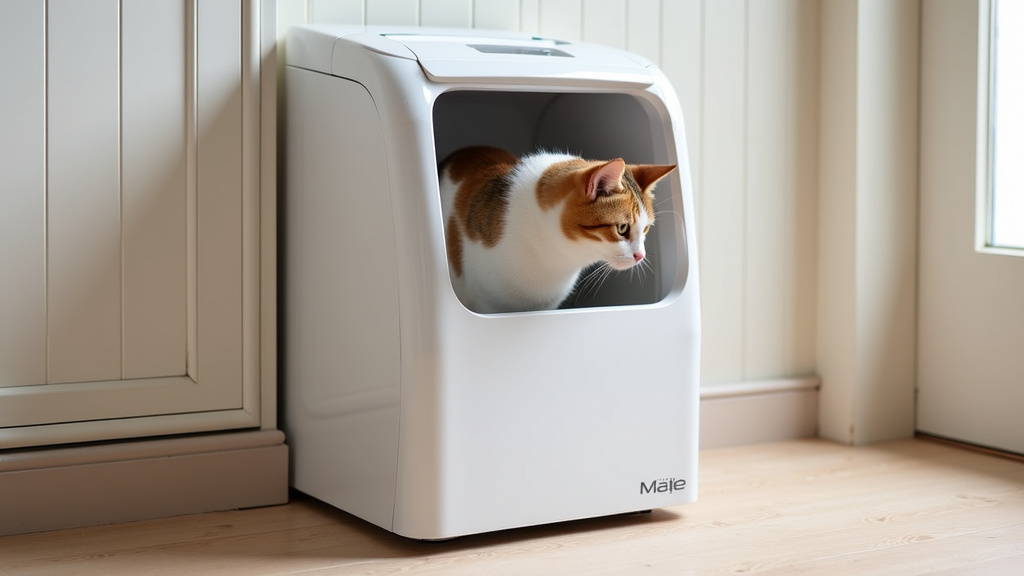
Maintaining Your Automatic Litter Box
While these boxes reduce daily scooping, they still need maintenance. Regular attention keeps them running smoothly. And it keeps your home smelling fresh.
Daily Checks and Litter Levels
Each day, you might want to visually check the litter level. Is it too low? Too high? Most automatic boxes have a fill line. You may need to add a little litter every few days. This ensures optimal sifting. Also, check the waste compartment. Is it getting full? You’ll know when it’s time to empty it.
When to Empty the Waste Receptacle
The frequency of emptying depends on your cat and the box size. For a single cat, you might empty it every few days to a week. For multiple cats, it will be more frequent. Many units have an indicator light. It signals when the bin is full. Simply remove the waste drawer or bag. Dispose of it properly. Then, insert a new bag or clean the receptacle. We found that using sturdy waste bags is a good idea.
Periodic Deep Cleaning
Even with automatic cleaning, you’ll need to do a deeper clean. This typically involves wiping down the interior of the box. You might also need to clean the rake or drum mechanism. Check your owner’s manual for specific instructions. Many manufacturers recommend a deep clean every month. Some parts might be removable and washable. Always ensure the unit is unplugged before you start cleaning.
| Feature | Rake Mechanism | Drum Mechanism |
|---|---|---|
| How it Cleans | A rake sweeps across the litter. | The entire drum rotates to sift litter. |
| Waste Collection | Waste is pushed into a compartment. | Waste falls into a hidden receptacle during rotation. |
| Visibility | You can often see the rake working. | The process is often enclosed during rotation. |
| Potential Issues | Litter can sometimes get stuck on the rake. | May require more litter to function properly. |
| Ideal For | Cats who are sensitive to noise. | Cats who don’t mind the rumbling sound. |
Choosing between a rake and a drum system often comes down to personal preference. We found that user reviews can offer great insight into specific models. Pay attention to comments about noise and cleaning efficiency. Your cat’s comfort is the ultimate deciding factor.
Conclusion
You’ve learned how an open automatic litter box can simplify your cat care routine. These boxes offer a hands-off approach to cleaning, helping you save time and manage odors effectively. We’ve seen how the open design can make cats feel more comfortable. Remember to consider your cat’s size and temperament, as well as the box’s specific features like the cleaning mechanism and odor control. Your next step is to compare models based on these factors. This will help you find the perfect automatic litter box for your home and your feline friend.
Frequently Asked Questions
Will my cat actually use an open automatic litter box?
Most cats adjust well, especially if they disliked enclosed spaces. The open design makes them feel less trapped. We recommend using familiar litter initially to ease the transition. Watching your cat’s behavior during the first few days is key.
How often do I need to empty the waste bin?
This depends on the number of cats you have and the box’s capacity. For one cat, emptying might be needed every few days to a week. Multiple cats will require more frequent emptying. Many units have indicators to let you know when it’s full.
Can I use any type of cat litter?
No, you generally need to use a clumping cat litter. This is essential for the automatic sifting or raking mechanism to work correctly. Non-clumping litter can clog the mechanism and reduce its effectiveness.
Are automatic litter boxes noisy?
Some noise is expected when the mechanism operates. We found that rake systems are often quieter than drum systems. If your cat is sensitive to sound, look for reviews mentioning noise levels. Some cats ignore it, while others might take a moment to get used to it.
How do I deep clean an open automatic litter box?
Refer to your owner’s manual for specific instructions. Generally, you’ll unplug the unit, remove removable parts, and wipe down the interior surfaces. Some components may be washable. A deep clean is usually recommended monthly.