Litter Box with App: What You Should Know

A litter box with an app can help you monitor your cat’s bathroom habits and detect potential health issues. These smart devices track your cat’s visits, weight, and litter usage, sending alerts to your phone. This can be incredibly useful for noticing changes that might signal a veterinary concern early on.
Many owners find peace of mind knowing they can check in on their feline friends remotely. These systems are designed to provide convenience and early warning. They help you understand your cat’s behavior patterns better, which is always a good thing for their well-being and your connection.
- Smart litter boxes connect to your phone.
- They track your cat’s litter box use and weight.
- App alerts can signal potential health problems.
- This technology offers convenience and peace of mind.
- It helps you understand your cat’s habits better.
Let’s walk through exactly what you should know about these smart litter boxes and their companion apps.
Understanding Smart Litter Boxes with App Connectivity
So, you’re curious about these high-tech litter boxes that talk to your phone. It’s a bit like having a tiny, furry roommate who’s also a data analyst. These smart devices aim to give you a deeper look into your cat’s daily routine. They do this by tracking various aspects of their litter box use. Think of it as a personal health dashboard for your cat, delivered right to your pocket.
Many pet parents are looking for ways to keep a closer eye on their cat’s well-being. Traditional methods often involve guesswork. You might notice changes in your cat’s behavior, but it’s hard to pinpoint exactly when or why. Smart litter boxes aim to take some of that guesswork out of the equation. They collect data that can help you understand your cat better.
How These Smart Litter Boxes Actually Work
At their core, these smart litter boxes use sensors. These sensors are designed to detect when your cat enters and exits the box. They can also measure the weight of your cat. Some models even track the amount of litter that’s been used. This information is then processed and sent to a companion app on your smartphone.
The app acts as your central hub. It organizes all the data collected by the litter box. You can see logs of your cat’s visits. You can check their weight over time. You can even get an idea of how much litter is being consumed. This provides a consistent record, which can be very useful.
Sensor Technology Explained
You might wonder how they know it’s your cat. Most smart litter boxes are designed for a single-cat household. They use weight sensors to identify when a cat of a certain size has entered. If you have multiple cats, it can be harder for the system to distinguish between them accurately. Some newer models are starting to explore ways to differentiate between individual cats, but this is still developing technology.
The litter usage tracking often works by measuring changes in the litter bed. As your cat uses the box, the litter shifts. The sensors can detect these changes. This helps to estimate frequency and duration of visits. It’s a clever way to gather information without being intrusive to your cat.
Connecting to Your Device: The App Experience
Getting the system set up usually involves connecting the litter box to your home Wi-Fi network. Once that’s done, you download the specific app for that brand. Pairing the litter box with the app is typically a straightforward process. You’ll follow on-screen instructions within the app.
The app interface is designed to be user-friendly. You’ll see dashboards showing daily activity. Graphs might illustrate trends over weeks or months. Alerts can be set up for specific events. This makes it easy to stay informed at a glance. Many users find this daily overview quite reassuring.
Benefits of Using a Smart Litter Box and App
The primary draw for many owners is the ability to monitor their cat’s health indirectly. Changes in bathroom habits can be early indicators of various health issues. Cats are masters at hiding discomfort, so these tools can be incredibly helpful.
Consider this: a cat that suddenly starts using the litter box much more often might be dealing with a urinary tract issue. Conversely, a decrease in visits could signal constipation or dehydration. These smart devices offer a way to spot these subtle shifts before they become serious problems. This early detection is key for successful treatment. These smart devices offer a way to spot these subtle shifts before they become serious problems.
Early Detection of Health Concerns
Research has shown that changes in urination and defecation patterns are common symptoms of many feline ailments. These can range from kidney disease and diabetes to urinary crystals and infections (American Veterinary Medical Association). A smart litter box can provide objective data to help you or your vet notice these changes sooner.
For instance, if the app shows your cat is spending an unusually long time in the box, or if their weight has dropped noticeably, these are red flags. You can then consult your veterinarian with this specific data. This informed approach can lead to quicker diagnoses and better outcomes for your cat.
Tracking Weight Changes
Your cat’s weight is a vital sign of their overall health. Unexplained weight loss or gain can indicate underlying medical conditions. Smart litter boxes that include weight tracking provide a non-stressful way to monitor this. Your cat steps in to do their business, and the box does the weighing.
This is especially useful for older cats or those with chronic conditions. It’s much easier than trying to weigh a reluctant cat on a scale. Consistent weight tracking can reveal trends that might otherwise go unnoticed. This data is a great supplement to your regular vet check-ups.
Convenience and Peace of Mind
Let’s be honest, we all worry about our pets. Knowing you can check in on your cat’s litter box activity remotely offers a sense of reassurance. If you’re at work, on vacation, or just out for the evening, you can still get a sense of your cat’s routine. This is particularly helpful if your cat is prone to certain health issues or if you have a new pet.
The automated tracking means less manual observation for you. You don’t have to guess if your cat has used the box or how many times. The app provides a clear, organized record. This convenience frees up your time and reduces anxiety. You can feel more confident that your cat is doing okay, even when you’re not right there.
What to Consider Before Buying a Smart Litter Box
While these gadgets offer great potential, they aren’t a magic bullet. It’s important to approach them with realistic expectations. Think about your specific needs and your cat’s personality.
Cost and Maintenance
Smart litter boxes are generally more expensive than their traditional counterparts. You’re paying for the technology and the app development. Beyond the initial purchase price, consider if there are any subscription fees for app features or cloud storage of data. This can vary by brand.
Maintenance is also a factor. While the automatic cleaning features in some self-cleaning models can reduce scooping, the electronic components still need care. You’ll need to clean the sensors and the exterior regularly. Always follow the manufacturer’s instructions to ensure the device functions correctly.
Single vs. Multi-Cat Households
As mentioned, most current smart litter box technology is best suited for homes with a single cat. If you have multiple cats, the device might struggle to accurately identify individual usage patterns. This could lead to skewed data. Some advanced systems are exploring ways to differentiate cats, perhaps through unique weight signatures or even microchip readers, but these are less common and can be costly.
If you have multiple cats, you might need one smart litter box per cat to get reliable data. This significantly increases the cost. For many multi-cat households, traditional litter boxes might still be the more practical choice, or you might use a smart box for a specific cat you’re monitoring closely.
Cat’s Temperament and Acceptance
Not all cats are comfortable with new or unusual objects. Some cats are very particular about their litter boxes. A new, perhaps noisier or more enclosed, smart litter box might cause anxiety or avoidance. It’s wise to observe your cat’s reaction to different litter box styles before investing in a high-tech option.
If your cat is skittish or very set in their ways, introducing a smart litter box might be a challenge. You might need to transition slowly, placing the new box next to their old one. Some cats may never fully accept a different type of box. Their comfort and willingness to use the box are paramount. A fancy gadget isn’t helpful if your cat refuses to use it!
Data Accuracy and Interpretation
While these devices provide data, it’s essential to understand their limitations. Sensor accuracy can be affected by factors like the type of litter used, the amount of litter, and even the cat’s behavior within the box. For example, vigorous digging might sometimes be misinterpreted.
The data is a tool to help you observe your cat, not a definitive veterinary diagnosis. Always consult your veterinarian if you notice concerning patterns or changes in your cat’s behavior. The app’s alerts are signals to investigate further, not replacements for professional medical advice. Think of it as a helpful assistant, not the doctor.
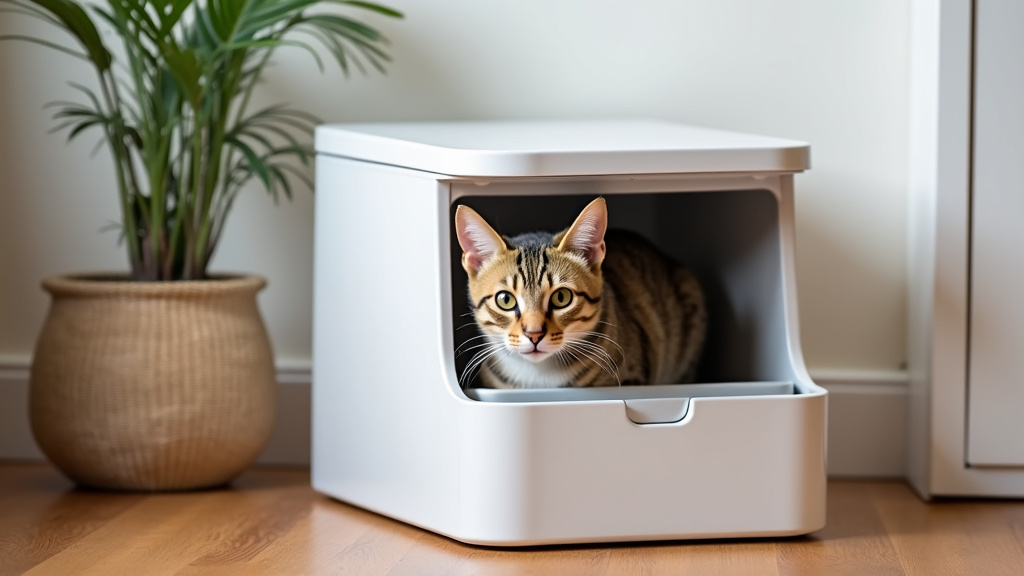
A Checklist for Smart Litter Box Features
When you’re looking at different models, consider these features to help you choose the right one for you and your cat:
- Weight Tracking: Does it accurately measure your cat’s weight over time?
- Litter Usage Data: Does it provide insights into frequency and duration of visits?
- App Functionality: Is the app user-friendly, with clear data presentation and useful alerts?
- Ease of Cleaning: How easy is it to clean the device itself and replace litter?
- Connectivity: Does it use reliable Wi-Fi or Bluetooth, and is setup straightforward?
- Noise Level: If it’s a self-cleaning model, is the mechanism quiet enough not to scare your cat?
Conclusion
A smart litter box with app connectivity can be a wonderful tool for cat owners. It offers a convenient way to monitor your cat’s health through tracked data. You can gain peace of mind knowing you’re keeping a closer eye on their well-being. Remember to consider your cat’s comfort and the specific features that matter most to you. If you’re looking for extra assurance and a deeper understanding of your feline friend’s habits, exploring these smart devices is a sensible next step.
Frequently Asked Questions
How do I know if my cat will use a smart litter box?
Observe your cat’s reaction to new objects. If your cat is easily spooked or very particular about their current litter box, introduce the smart one slowly. Place it near their old box and let them investigate at their own pace. Their comfort is key to successful adoption.
Can I use a smart litter box if I have more than one cat?
Most smart litter boxes are designed for single-cat households and may struggle to differentiate between multiple cats. If you have multiple cats, you might need to purchase a smart box for each cat to get accurate individual data. This can become quite costly.
What kind of litter works best with a smart litter box?
Always check the manufacturer’s recommendations for litter type. Some smart litter boxes work best with clumping litter. Others may have specific requirements for granule size or composition to ensure their sensors function correctly. Using the wrong litter could affect data accuracy.
Do I need a Wi-Fi connection for a smart litter box to work?
Yes, most smart litter boxes require a stable Wi-Fi connection to send data to the companion app on your smartphone. Without Wi-Fi, the device won’t be able to sync information or send you alerts. Ensure you have reliable internet access where you plan to place the litter box.
Is the data from a smart litter box a substitute for vet visits?
No, the data from a smart litter box is a helpful tool, but it is not a substitute for professional veterinary care. The information can alert you to potential changes, but only a veterinarian can provide an accurate diagnosis and treatment plan. Always consult your vet if you have health concerns.