Lightweight Cat Litter Clumping: What to Know
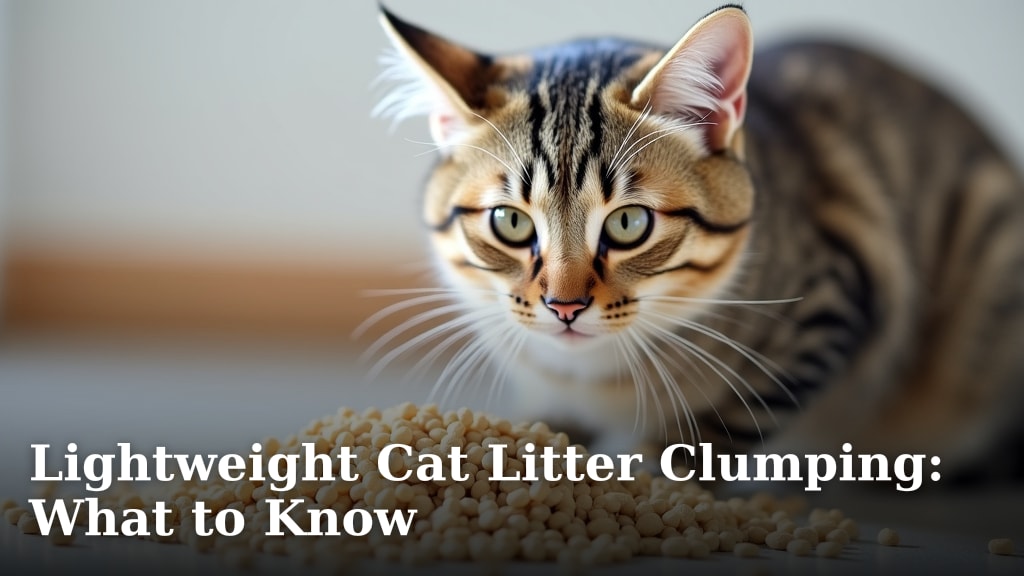
Lightweight cat litter is a fantastic option for many cat owners. It can make scooping and cleaning so much easier. This type of litter is designed to be lighter in weight than traditional clay litters, usually by using different materials like recycled paper or wood. It’s a popular choice for its ease of handling and often good odor control.
When you’re choosing cat litter, you want something that works well for both you and your feline friend. Lightweight litters can be a great solution for reducing the strain of carrying heavy bags. Many are also formulated to clump tightly, which helps with easy scooping and can lead to less waste. You might be wondering if it still does a good job of controlling smells and tracking.
- Lightweight litter is easier to carry and pour.
- It often clumps well for simple scooping.
- Many varieties offer good odor control.
- Check for dust levels, as some can be dusty.
- Consider your cat’s preference for texture.
Let’s dive into what makes lightweight clumping cat litter a great choice and what you should keep in mind before you buy.
You’ve probably noticed that cat litter bags can be quite heavy. Lugging them from the store to your car, and then into your home, can feel like a workout. This is where lightweight cat litter really shines. It’s designed to be much easier on your back and arms. But what exactly makes it lighter? And does that lighter weight mean it performs differently?
Understanding Lightweight Clumping Cat Litter
Lightweight clumping cat litter uses lighter materials. These materials are often processed differently. They might be porous or have a less dense structure. This results in a litter that weighs less per volume. You get more litter in the bag, but it’s easier to lift and pour. Many of these litters still provide excellent clumping action.
How is Lightweight Litter Made?
Several types of materials go into making lightweight litters. Some are natural clays that are expanded or processed to reduce their density. Others are made from entirely different sources. These can include recycled paper, wood, corn, or wheat. The manufacturing process is key to reducing the weight. It makes the material lighter while aiming to keep its absorbent and clumping properties intact.
Density vs. Weight
Think about a sponge versus a brick. Both take up space, but the sponge is much lighter. Lightweight litters work on a similar principle. They have a lower density. This means there’s less mass packed into the same amount of space. This is why a 10-pound bag of lightweight litter might look similar in volume to a 20-pound bag of traditional litter.
What Makes it Clump?
The clumping ability of cat litter is usually due to specific types of clay. Bentonite clay is common in traditional litters. It swells when wet and binds together. Lightweight litters often use processed bentonite or similar clumping agents. Sometimes, plant-based binders are used in litters made from corn or wheat. These binders help the moistened litter stick together. This forms a solid clump that you can easily scoop out.
The Science of Clumping
When your cat urinates on the litter, the moisture activates the clumping agents. These agents absorb the liquid and then bind with the surrounding particles. This creates a solid mass. For lightweight litters, the material itself might be absorbent, while added binders do the clumping work. The goal is a firm clump that doesn’t break apart. This makes cleaning the litter box much tidier.
Benefits of Choosing Lightweight Litter
There are several advantages to using lightweight clumping cat litter. The most obvious is the ease of handling. Carrying, pouring, and disposing of this litter is a breeze. This can be a real relief for many cat owners. It means less strain and easier litter box maintenance. You might even find yourself changing the litter box more regularly because it’s less of a chore.
Ease of Handling and Pouring
Imagine not having to grunt and groan with every bag of litter. Lightweight options mean you can easily lift and pour. This is a big plus for anyone with back problems, arthritis, or simply anyone who dislikes heavy lifting. You can pour it directly into the litter box without much effort. This makes refilling the litter box a quick and simple task.
Reduced Waste and Cost-Effectiveness
Because lightweight litters often clump tightly, you can often use less litter. You only need to scoop out the soiled clumps. The clean litter stays in the box. Many owners find they don’t need to replace the entire box contents as often. This can lead to less litter waste over time. While the upfront cost per pound might seem higher, the overall usage can make it more economical. We found that the ease of scooping also contributes to less litter being tracked out of the box.
Odor Control Capabilities
You might wonder if lighter means less effective at controlling odors. Many lightweight litters do an excellent job. Manufacturers often add baking soda or activated charcoal. These ingredients help to neutralize smells. Some formulas also contain fragrances, though many cats and owners prefer unscented options. Research has shown that good clumping is a key factor in odor control. Tight clumps trap waste effectively, reducing ammonia smells (NCBI).
Dust Levels and Respiratory Health
One area to pay attention to with lightweight litters is dust. Some types, especially those made from finer granules or certain natural materials, can produce more dust. A dusty litter can be irritating for both you and your cat. It can contribute to respiratory issues for sensitive pets and people. When choosing, look for labels that claim “low dust” or “dust-free.” If you notice a lot of dust when pouring, it might be worth trying a different brand or type.
Finding a Low-Dust Option
Many brands now focus on creating low-dust formulas. They achieve this through careful manufacturing processes. This might involve screening out finer particles. Some litters use larger granules. If dust is a concern, check product reviews or descriptions. Many owners report success with litters made from larger-grained clays or compressed wood pellets.
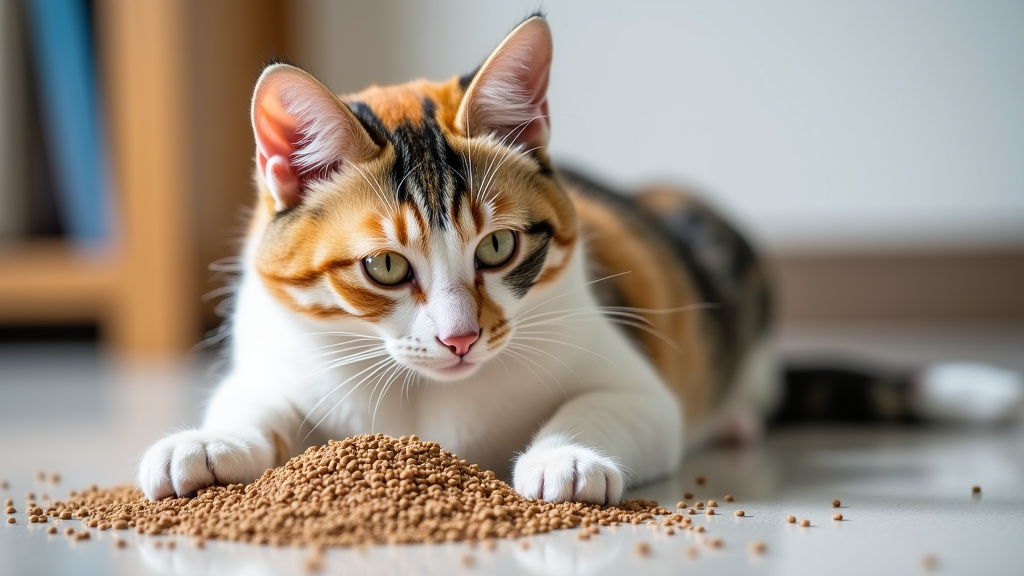
Cat Preferences and Litter Box Habits
Your cat is the ultimate judge of good litter. What works for you might not work for your feline friend. Cats have preferences for texture, scent, and even how the litter feels under their paws. Some cats are very particular. Others are more adaptable. It’s important to observe your cat’s behavior.
Texture Matters to Cats
Cats often prefer soft, sandy textures. This is similar to the soil they might use in the wild. Litters made from fine clay particles often mimic this. Litters made from wood, paper, or corn might have a different feel. Some cats might dislike the texture of pellets or larger granules. If your cat suddenly avoids the litter box, the litter type could be the reason. You might need to experiment to find what your cat likes best.
Introducing New Litter Successfully
If you’re switching to a lightweight litter, do it gradually. You can mix the new litter with the old. Start with a small amount of the new litter. Increase the proportion over several days. This helps your cat get used to the change. If your cat is sensitive, you might need to try a few different types before finding one they accept. We found that a 50/50 mix is often a good starting point.
Monitoring Litter Box Usage
Keep an eye on your cat’s litter box habits. Are they using it regularly? Are there accidents outside the box? These are important indicators. A sudden change in behavior could signal a problem. It might be related to the litter, or it could be a health issue. If you’re concerned, consult your veterinarian. A healthy cat is a happy cat, and their litter box habits are a key part of their well-being.
So, is lightweight clumping litter the right choice for you and your cat? It offers significant advantages in terms of handling and convenience. When you choose carefully, you can also ensure good odor control and a litter your cat will happily use. Remember to consider texture and dust levels.
Quick Checklist for Lightweight Litter:
- Is it easy for you to lift and pour?
- Does it clump firmly without breaking apart?
- Does it effectively control odors?
- Is it low in dust?
- Does your cat seem comfortable using it?
- Have you introduced it gradually if switching?
Conclusion
Lightweight clumping cat litter offers a welcome change for many pet parents. You get the convenience of easier lifting and pouring, without sacrificing effective clumping and odor control. We’ve seen that many lightweight options perform just as well as traditional litters. Just remember to consider your cat’s preferences and watch for dust levels. By keeping these points in mind, you can find a litter that makes your life easier and keeps your feline friend happy and healthy. Your next step is to try a bag and see the difference for yourself!
Frequently Asked Questions
Can lightweight litter still control odors effectively?
Yes, many lightweight litters are formulated with excellent odor control. Ingredients like baking soda and activated charcoal are often added to neutralize smells. Good clumping action also helps trap waste, which is key to preventing ammonia odors.
Is lightweight litter more expensive than traditional litter?
While the price per pound might seem higher, lightweight litters can be more cost-effective. They often clump tightly, meaning you use less litter overall. This can lead to less waste and fewer purchases over time.
How can I tell if my cat dislikes the lightweight litter?
Watch for changes in your cat’s litter box habits. This includes avoiding the box, having accidents elsewhere, or showing signs of distress. If you notice these behaviors after switching, your cat might be unhappy with the texture or feel of the new litter.
What should I do if a lightweight litter is too dusty?
If you notice excessive dust, look for brands that specifically advertise “low dust” or “dust-free” formulas. You can also try litters made with larger granules or different materials, like compressed wood pellets. Introducing new litter gradually can also help.
How do I switch to a lightweight litter without upsetting my cat?
The best approach is to introduce the new litter gradually. Mix a small amount of the lightweight litter with your cat’s current litter. Over several days, slowly increase the proportion of the new litter. This allows your cat to adjust to the scent and texture.