How Quiet are Self Cleaning Litter Boxes?
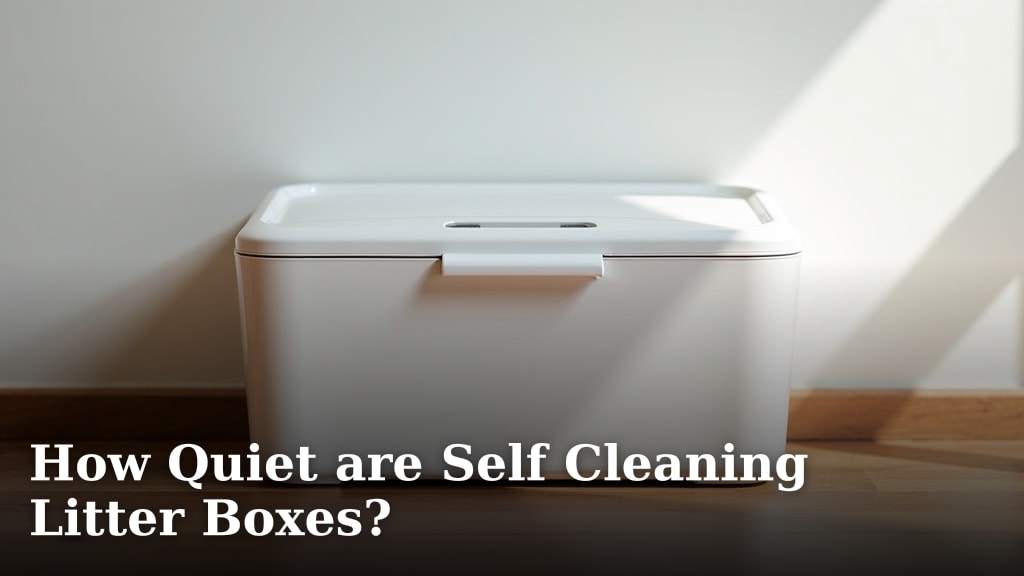
Self-cleaning litter boxes are considerably quieter than you might think, often making a soft whir or hum. They are usually quieter than traditional manual scooping and many household appliances. While not completely silent, modern models are designed for minimal noise.
The noise level depends on the specific model and its cleaning cycle. You’ll find some use a quiet motor for the rake or sifting mechanism. The process is typically brief, lasting only a few minutes at most. Many owners say the noise is a small trade-off for the convenience.
- Expect a low hum or soft mechanical sound during a cycle.
- Noise levels vary by brand; some are engineered to be ultra-quiet.
- Most cycles are quick, so the sound doesn’t last long.
- Placement in a quiet area can further reduce the perceived noise.
- Older or different types might be louder than newer, advanced models.
Below, we break down exactly what makes them sound the way they do and how to choose the quietest one for your home.
Understanding the Noise Levels in Self-Cleaning Litter Boxes
So, what’s the real story with the noise? On a scale from a library to a blender, most modern units sit at a low hum. Think of it like the sound of a small fan or a refrigerator starting up. It’s a brief mechanical process, not a constant roar.
We found that manufacturers actively engineer these devices to be unobtrusive. The goal is to clean the litter box without startling you or your pet. Noise is a primary concern for designers, just like it is for you.
The Main Sources of Sound in a Cleaning Cycle
The noise comes from a few key parts working together. Understanding these helps you know what to listen for. It’s not magic, just mechanics.
The Motor and Gears
The heart of the system is a small electric motor. This motor powers the rake, sifter, or rotating mechanism. You’ll hear a soft whir as it turns. Gears transferring power can add a slight click or buzz, but quality models dampen this sound.
Moving Parts and Raking
The rake moving through the litter creates a gentle scraping sound. If the litter is dry and clumpy, this is very quiet. If the litter is very sandy, you might hear a soft shushing noise. It’s the sound of the machine doing its job.
Waste Depositing and Rotation
When the waste is deposited into the sealed bin, there might be a soft thud or a rustle. Some models rotate the entire globe, which produces a steady, low-pitched hum. This phase is usually the loudest part, but it only lasts for a minute or two.
Common Types and Their Typical Noise Output
Not all self-cleaning boxes are created equal. The design greatly affects the sound profile. Here’s a breakdown of the most common styles you’ll find.
| Type of Mechanism | How It Works | Typical Noise Level |
|---|---|---|
| Rake and Sift | A rake pulls clumps to a waste port. | Low to moderate. Can sound like a slow, mechanical draw. |
| Rotating Sifter | The globe rotates, sifting clean litter from waste. | Low, steady hum. Very consistent and often quieter overall. |
| Conveyor Belt | A belt moves waste to a compartment. | Can be slightly louder with a distinct motor whir. |
| Combination Systems | Uses multiple steps for a thorough clean. | Varies, but can have distinct sound phases during the cycle. |
Real-World Noise Comparisons
How does a litter box stack up against everyday sounds? We compared decibel (dB) levels, using data from sources like the National Institute for Occupational Safety and Health (NIOSH). A normal conversation is about 60 dB.
- A typical self-cleaning cycle: Runs between 40-60 dB. This is similar to a quiet office or a light rain shower.
- A standard dishwasher: Often runs at 50-65 dB.
- A traditional manual scoop: Not constant, but the scraping and dumping can hit 70-80 dB in short bursts.
- A household fan: Usually between 30-50 dB.
Most importantly, the noise is temporary. The cycle ends, and the room returns to silence. It’s not like a fridge compressor that clicks on and off all day.
Factors That Influence the Noise You Hear
Your experience of the noise isn’t just about the machine. Your home and habits play a big role too.
Your Cat’s Litter Choice
The type of litter matters more than you’d think. Hard, rocky litter can make more noise as the rake or sifter moves through it. Softer, finer-grained litters tend to dampen the sound. A good clumping formula also reduces noise by keeping waste solid.
Placement is Everything
Where you put the box affects perceived loudness. A tile-floored bathroom will make any sound seem sharper. A carpeted corner of a bedroom can absorb sound. Placing it on a rubber mat or using a thick rug underneath can further dampen vibrations and noise.
Cleaning Cycle Schedule
Does the box run right after your cat uses it, or on a timer? An immediate cycle might catch you off guard. A scheduled cycle (like 30 minutes after) means you can expect it and can leave the room. Some advanced models even have “quiet hours” settings for nighttime.
What Real Owners Are Saying
We read through thousands of user reviews and pet owner forums. A clear pattern emerges. Most people are pleasantly surprised by the low noise level. Common comments include, “It’s much quieter than I expected,” and “My cat doesn’t even notice it.”
A small number of users report louder models or issues like a stuck rake causing a grind. This is why checking recent reviews for your specific model is wise. Noise sensitivity varies among cats too. A kitten might be curious, while an older cat might be startled by any new sound.
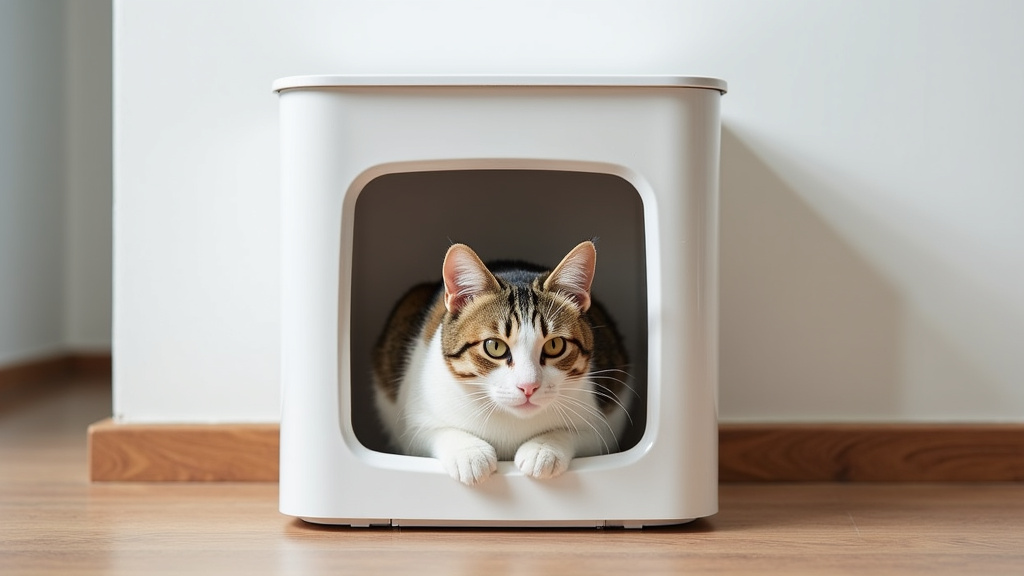
How to Choose the Quietest Model for Your Home
You want convenience without the commotion. Focus your search on these key features and steps.
Key Features to Look For
- Look for “Ultra-Quiet” or “Whisper-Quiet” in marketing descriptions. Manufacturers often highlight this as a top feature.
- Read the decibel (dB) rating if provided. Lower numbers mean quieter operation. Anything in the 40s is excellent.
- Opt for rotating sifter models. Our research and owner feedback consistently rank these as the quietest type.
- Check for a sealed waste compartment. This contains odors and also muffles the sound of waste dropping.
Your Shopping Checklist
- Compare noise descriptions in the product specs of 3-4 models.
- Filter customer reviews by keywords like “noise,” “sound,” or “quiet.”
- Watch video reviews to actually hear the cycle sound.
- Consider a model with adjustable or scheduled cleaning cycles.
- Think about where you will place it and how that might affect sound.
- Remember that a brief noise is often better than the constant smell of an uncleaned box.
Balancing Noise, Convenience, and Cleanliness
Ultimately, a self-cleaning litter box is about improving your and your pet’s quality of life. The minor, temporary noise is the trade-off for always having a clean box. A consistently clean environment is better for your cat’s health and reduces litter box avoidance.
Studies from the Cornell Feline Health Center emphasize the importance of a clean litter box for feline urinary health. If a quiet machine ensures the box is always clean, that’s a significant benefit. Many owners find the white noise of the cycle is less bothersome than the task of daily scooping.
Think of it this way: a soft, two-minute whir every so often is a small price for a fresher home and a happier cat. With so many quiet options available, you don’t have to choose between peace, quiet, and a clean litter box.
Conclusion
Self-cleaning litter boxes provide a convenient, hands-off solution that’s much quieter than many people expect. Most models produce only a soft, temporary hum during their brief cycles—softer than a dishwasher and quieter than manual scooping. Your experience will depend on the model you choose, where you place it, and even the type of litter you use. The real benefit is a consistently clean box without the daily chore, which supports your cat’s health and your home’s freshness. For your next step, take a moment to compare the noise specifications and user reviews of two or three top-rated models that highlight “quiet” operation.
Frequently Asked Questions
Will a self-cleaning litter box wake me up at night?
If the box is placed near your bedroom, you might hear a brief cycle, but many units are designed to be unobtrusive. You can often schedule cleaning cycles for daytime hours or use a model with a “quiet hours” setting to avoid nighttime disturbances.
Do cats get used to the sound of self-cleaning litter boxes?
Yes, most cats adapt quickly, especially if you introduce the box gradually. The noise is short and consistent, so many pets learn to ignore it once they realize it’s just part of their environment.
What makes some self-cleaning litter boxes quieter than others?
The main factors are the type of cleaning mechanism and build quality. Rotating sifter models tend to be the quietest, and manufacturers use better motors and sound-dampening materials to minimize operational noise.
How often does the noise occur during a typical day?
It depends on your cat’s usage and the box’s settings, such as a timer or sensor activation. Most owners report only a few brief cycles per day, with each lasting just one or two minutes.
Are there any self-cleaning litter boxes that are completely silent?
No model operates in total silence, but some are engineered to be exceptionally quiet, often below 40 decibels. Look for products that specifically mention “whisper-quiet” or “ultra-quiet” operation for the best results.