How Do Automatic Litter Boxes Indicate Cycle Completion?
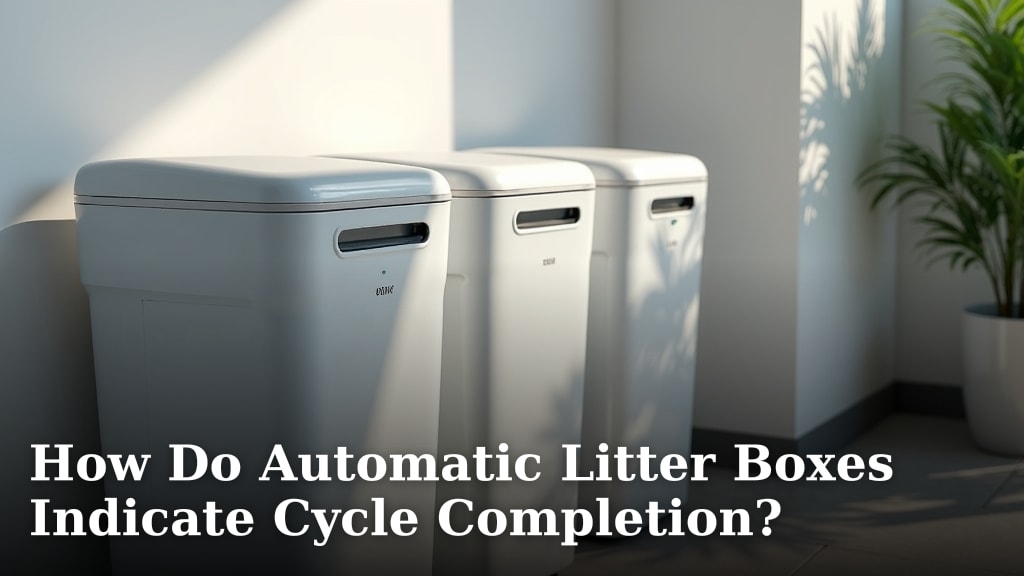
Automatic litter boxes often use sensors and timers to indicate when a cleaning cycle is complete. You’ll typically see a light change or hear a gentle beep. This is their way of saying, “All done!” making it easier for you to know when it’s clean.
Many models have an indicator light that turns green or blue when the cycle finishes. Some might flash a certain color. We found that these visual cues are the most common ways these smart devices let you know they’re ready for your cat. It helps avoid confusion and ensures you know when the box is clean.
- Automatic litter boxes use sensors and timers.
- Completion is usually shown by a light or sound.
- A change in light color is a common signal.
- Beeps can also alert you to a finished cycle.
Let’s break down the different ways your automatic litter box signals it’s finished cleaning, so you can feel confident about its status.
Understanding Your Automatic Litter Box’s Cycle Completion Signals
Your automatic litter box is designed to make life easier. It cleans itself, but how does it tell you when it’s done? Most models use simple, clear signals. These are usually a change in an indicator light or a gentle sound. This lets you know the cleaning is finished and the box is ready for your cat’s next visit.
The Role of Sensors and Timers
At its core, your automatic litter box uses a combination of technology. Sensors detect when your cat has used the box. Then, a built-in timer starts the cleaning cycle after a set period. This ensures the litter has a chance to clump or settle. The timer also helps prevent the box from cleaning while your cat is still inside. Once the timer runs out and the scooping or raking action is complete, the unit signals its finished state.
How Sensors Work
Different types of sensors are used. Some boxes have weight sensors in the base. These register the presence of your cat. Others might use motion sensors. These detect movement inside the litter area. The sensor’s job is to trigger the system. It’s the first step in the automatic cleaning process. Without accurate sensing, the box wouldn’t know when to start.
The Importance of the Timer
The timer is crucial for safety and efficiency. Most manufacturers recommend a waiting period after your cat leaves the box. This is often around 5 to 15 minutes. It gives the litter time to work its magic. For example, if your cat uses clumping litter, the timer allows those clumps to form. This makes them easier for the machine to scoop. We found that this delay is a key feature for effective cleaning (Pet Product News).
Visual Cues: Lights That Tell a Story
Lights are the most common way these boxes communicate. They are designed to be easily seen. A change in color or pattern usually means something specific. You’ll quickly learn what each light means for your model. This visual feedback is very direct.
Solid Lights: Ready and Waiting
Often, a solid green light signifies that the box is ready for use. This means it has completed its self-cleaning cycle and is in a standby mode. Some models might use a solid blue light for the same purpose. It’s the “all clear” signal. You know it’s clean and safe for your feline friend. This is the ideal state for the litter box.
Flashing Lights: Active Cycles and Alerts
A flashing light typically indicates that a cycle is in progress. It might flash orange or yellow while the rake or scoop is active. Once the cycle is finished, the light will usually stop flashing and turn solid green or blue. However, a flashing light can also signal an error. This might happen if the rake gets stuck. Or if the weight sensor is triggered unexpectedly. Always check your user manual for specific flashing light meanings.
Color Changes as Indicators
The color itself is a powerful indicator. A box might start with a red light, meaning it’s in use or cleaning. Once it’s done, the light switches to green. This simple color transition tells you everything you need to know. It’s a quick glance that confirms the job is done. Many users find this very reassuring.
Auditory Signals: The Sound of Cleanliness
While less common than lights, some automatic litter boxes use sound. These are usually gentle beeps. They are designed not to startle your cat. Or disturb your household. They serve the same purpose as indicator lights.
Single Beep for Completion
A single, soft beep can confirm that the cleaning cycle has successfully ended. It’s a subtle alert. It lets you know the motor has stopped. The mechanism has returned to its starting position. This auditory cue is often accompanied by a light change.
Multiple Beeps for Errors
Just like with lights, a series of beeps might signal a problem. For instance, three short beeps could mean the waste bin is full. Or that the rake encountered an obstruction. Again, your product manual is the best resource. It will detail exactly what each sound pattern means for your specific model.
Specialized Indicators and Features
Beyond basic lights and sounds, some advanced models offer more. These can provide detailed information about the box’s status. They aim to give you more control and insight.
Wi-Fi Connectivity and App Alerts
Some high-tech boxes connect to your home Wi-Fi. You can then monitor the litter box through a smartphone app. The app can send you notifications. These alerts can tell you when a cleaning cycle is complete. They can also inform you when the waste drawer needs emptying. Or when the litter level is low. This offers a modern, convenient way to stay informed.
Display Screens on Premium Models
Certain premium automatic litter boxes feature small LCD screens. These screens can display various messages. They might show the current status of the cleaning cycle. Or indicate if the unit is locked out for safety. They can also provide error codes. These are helpful for quick troubleshooting. These displays offer a more direct and informative feedback system.
Checking Your Litter Box Status: A Quick Checklist
Knowing your litter box is clean is important for both you and your cat. Here’s a quick way to check what signals to look for:
- Look for a solid green or blue light. This usually means it’s clean and ready.
- Listen for a single, soft beep. This often confirms the cycle is complete.
- Note any flashing lights. These usually mean a cycle is active or there’s an issue.
- Check for multiple beeps. These often indicate an error or maintenance need.
- Consult your app (if applicable). Look for completion notifications.
- Read the display screen (if available). It will show the current status.
By understanding these signals, you can feel more confident. You’ll know your automatic litter box is doing its job effectively. This helps maintain a clean environment for your beloved pet.
Conclusion
You now understand how your automatic litter box signals that it’s finished cleaning. Whether it’s a simple color change on an indicator light or a gentle beep, these cues are designed for your convenience. They let you know the box is clean and ready for your cat’s next visit. By paying attention to these signals, you can ensure the litter box is always in its optimal state. Take a moment to check your specific model’s manual. This will help you fully master its unique communication system for peace of mind.
Frequently Asked Questions
What if my automatic litter box light is flashing?
A flashing light usually means the cleaning cycle is in progress. It can also signal an error, such as the rake getting stuck. Always refer to your user manual for the exact meaning of flashing light patterns on your model.
Can I turn off the sound alerts on my automatic litter box?
Some automatic litter boxes allow you to disable or adjust the sound alerts. Check your user manual to see if your model offers this feature. This can be helpful if the beeps are disruptive.
How long do I typically need to wait after a cycle before my cat can use the box?
Most automatic litter boxes have a built-in timer that delays cleaning for 5 to 15 minutes after your cat leaves. This waiting period allows litter to clump. It also ensures the mechanism is safely idle.
What does it mean if the light on my automatic litter box stays red?
A red light often indicates that the unit is currently in use or is undergoing a cleaning cycle. It might also signify an error or a safety lockout. Consult your manual for specific error codes or meanings.
Are app notifications for litter box completion reliable?
For models with Wi-Fi connectivity, app notifications are generally reliable. They provide a convenient way to monitor the box’s status remotely. Ensure your Wi-Fi is stable for consistent alerts.