Clumping Litter vs Non Clumping Litter: Explained
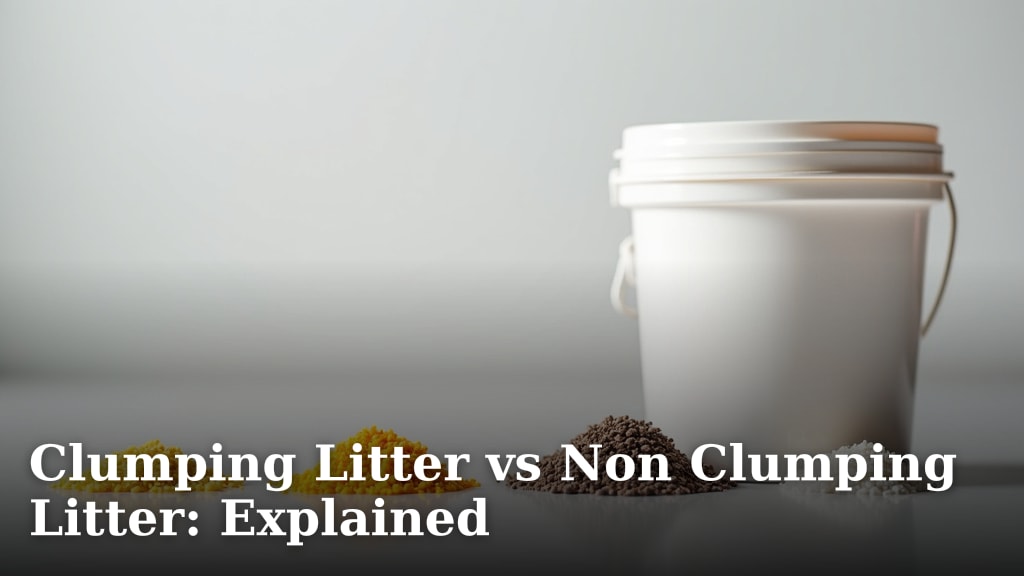
Choosing between clumping litter and non-clumping litter depends on your priorities for cat care and cleaning convenience. Clumping litter forms solid clumps when wet, making scooping easier, while non-clumping litter absorbs moisture and odor without forming solid masses, often requiring full litter box changes more frequently. If you’re considering an automatic litter box, understanding how it detects your cat is key.
We found that both types offer distinct benefits for pet owners. Clumping varieties are often preferred for their ease of cleaning and odor control. Non-clumping options can be more budget-friendly and some cats prefer their texture. Understanding these differences helps you pick the best fit for your feline friend and your household.
- Clumping litter forms solid clumps for easy scooping.
- Non-clumping litter absorbs moisture and odor.
- Clumping is often better for odor control.
- Non-clumping can be more affordable.
- Your cat’s preference matters too!
Let’s break down the pros and cons of each type so you can make the best choice for your cat and your home.
Clumping vs. Non-Clumping Litter: What’s the Difference for Your Cat?
Choosing the right cat litter can feel like a big decision. You want what’s best for your furry friend and your home. Let’s dive into the world of clumping and non-clumping litter. We’ll break down what makes them different and help you decide which one is the perfect match. Think of it like finding the right pillow for your cat – it just needs to fit their needs.
Understanding Clumping Litter: The Scoopable Solution
Clumping litter is designed to form solid, compact clumps when it comes into contact with liquid. This happens because it’s made from specific types of clay, usually bentonite clay. When moisture hits these clay particles, they expand and bind together.
The main benefit here is ease of cleaning. You can simply scoop out the solid waste and the wet clumps. This leaves the rest of the litter box fresh. Many owners find this makes daily scooping a much quicker and cleaner task. It’s like having a built-in cleaning system for the litter box.
The Advantages of Going Clumping
One of the biggest perks of clumping litter is its odor control. Because it forms solid clumps, it traps moisture and odor effectively. This means less ammonia smell lingering in the air. Many brands are also designed with added deodorizers to tackle tough smells.
We found that clumping litter can lead to less litter being used overall. Since you only remove soiled portions, the clean litter remains in the box. This can make your litter supply last longer, potentially saving you money in the long run. It’s a win-win for smell and budget.
Potential Downsides to Clumping Litter
While convenient, clumping litter isn’t perfect for everyone. Some cats are sensitive to the clay dust that can be released when scooping or refilling. This dust can sometimes cause respiratory irritation for both cats and humans.
Also, the texture of clumping litter can be a deal-breaker for some felines. Cats have sensitive paws. If your cat dislikes the gritty feel of clay, they might avoid the litter box altogether. This could lead to accidents outside the box, which no one wants.
Another consideration is the cost. Clumping litter tends to be more expensive upfront than its non-clumping counterpart. While it might last longer, the initial purchase price can be higher. Keep an eye out for sales and buy in bulk if you can.
Exploring Non-Clumping Litter: The Absorbent Alternative
Non-clumping litter, often made from different materials like silica gel, recycled paper, or wood pellets, works differently. Instead of forming solid clumps, it absorbs moisture and locks away odors. It doesn’t solidify when wet.
This means that when your cat uses the litter box, the urine soaks into the litter material. The goal is to absorb the liquid and keep the surface as dry as possible. Odors are neutralized or absorbed by the litter material.
Why Choose Non-Clumping Litter?
Many owners appreciate that non-clumping litter is generally more affordable. The initial cost per bag is usually lower. This can make it a great option for households with multiple cats or for those on a tighter budget.
We also found that some cats absolutely love the texture of non-clumping litter. For instance, cats who prefer a softer, more natural feel might take to litters made from wood or paper pellets. If your cat is picky about texture, this could be the way to go.
From a cleaning perspective, non-clumping litter often requires a full litter box change more frequently. However, some types, like silica gel crystals, are highly absorbent and can last for a good while before needing a complete dump. They can be very effective at wicking away moisture.
The Trade-offs with Non-Clumping Litter
The biggest challenge with non-clumping litter is often odor management. While it absorbs, it may not trap odors as effectively as clumping litter. This can lead to a more noticeable smell in your home, especially if the litter box isn’t cleaned daily.
Because you can’t scoop out wet clumps, you usually need to change the entire litter box more often. This means more frequent disposal of the old litter and refilling with fresh litter. This can be more time-consuming over time.
We found that some non-clumping litters can become saturated quickly. If not changed promptly, the wet litter can start to smell and even develop a muddy consistency at the bottom of the box. This isn’t pleasant for your cat or for you.
Key Differences at a Glance
To help you compare, let’s look at the main points side-by-side. Understanding these differences can make your choice much clearer. It’s like comparing apples and oranges – both are fruit, but they offer different experiences.
| Feature | Clumping Litter | Non-Clumping Litter |
|---|---|---|
| How it Works | Forms solid clumps with moisture. | Absorbs moisture and odors. |
| Scooping Ease | Easy to scoop out solid waste and clumps. | No solid clumps to scoop; requires more frequent full changes. |
| Odor Control | Generally better at trapping odors. | Can be less effective; odor may be more noticeable. |
| Cost | Higher initial cost, but may last longer. | Lower initial cost, but may require more frequent replacement. |
| Dust Level | Can be dusty, potentially causing respiratory issues. | Dust levels vary by material; some are very low dust. |
| Cat Preference | Some cats dislike the texture; others are fine. | Some cats prefer the texture; others may not. |
| Maintenance | Daily spot cleaning is effective. | Frequent full litter box changes needed. |
What Does Your Cat Prefer?
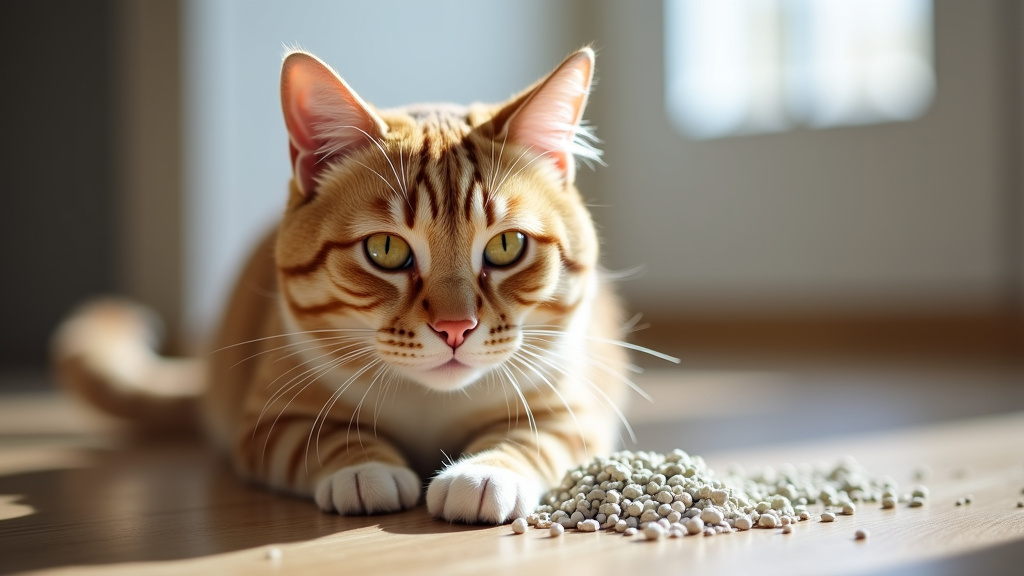
Ultimately, the best litter for your home is also the best litter for your cat. Cats have preferences, and they’ll let you know! If your cat suddenly starts avoiding the litter box, it might be a sign they don’t like the litter you’ve chosen.
Some cats are particular about the texture under their paws. Others might be sensitive to scents or dust. You might need to do a little experimenting. Consider offering your cat a choice between two different types of litter in separate boxes. See which one they use more often.
Many veterinarians and animal behaviorists suggest observing your cat’s habits. If they seem comfortable and use the litter box consistently, you’ve likely found a good match. A happy cat means a happier home for everyone.
Tips for a Fresh Litter Box, No Matter the Type
Regardless of whether you choose clumping or non-clumping litter, a few basic habits will keep your cat’s bathroom clean and inviting. These simple steps make a big difference.
- Scoop daily: This is key for both types. Remove solids and clumps (if applicable) at least once a day.
- Top it off: After scooping, add a little fresh litter to maintain the right depth.
- Stir gently: For non-clumping litter, a gentle stir can help distribute moisture and odors.
- Clean the box regularly: Even with daily scooping, the whole box needs a wash. We recommend a full litter change and scrub every 1-4 weeks, depending on the litter type and number of cats. Use mild soap and water.
- Location matters: Place the litter box in a quiet, accessible spot away from your cat’s food and water bowls.
- Right size: Ensure the litter box is large enough for your cat to comfortably turn around in.
By following these tips, you can ensure your cat always has a clean and appealing place to do their business. This helps prevent accidents and keeps your home smelling fresh. It’s about creating a positive experience for your pet.
Conclusion
Choosing between clumping litter and non-clumping litter really comes down to your cat’s preferences and what works best for your household cleaning routine. We’ve seen that clumping litter offers easier scooping and often better odor control, while non-clumping can be more budget-friendly and preferred by some cats for its texture. Remember to observe your cat’s behavior closely; their comfort is the most important factor. Your next step should be to consider getting small sample sizes of both types and offering them in separate boxes to let your cat make the final decision. This hands-on approach ensures you find the perfect fit for your feline friend.
Frequently Asked Questions
Can I mix clumping and non-clumping litter?
While you can technically mix them, it’s generally not recommended. Mixing can interfere with the clumping action, leading to less effective clumps and potential odor issues. It can also be harder to scoop cleanly. It’s best to stick to one type for optimal performance and easier maintenance.
How often should I completely change the litter box?
For clumping litter, a full change every 2-4 weeks is often sufficient if you scoop daily. Non-clumping litter typically requires a full change more frequently, perhaps every 1-2 weeks, as it can become saturated. The number of cats using the box also plays a role.
Is clumping litter safe if my cat eats a little bit?
Most clumping litters are made from natural clays that are not toxic if ingested in small amounts. However, large amounts could potentially cause blockages. If you notice your cat eating litter, it’s best to switch to a non-clumping, natural option or consult your veterinarian.
Does dust from clumping litter really harm my cat?
Some clumping litters can produce dust that might irritate your cat’s respiratory system, especially if they have existing conditions like asthma. Low-dust or dust-free clumping options are available. If dust is a concern, consider alternative litter materials or scoop gently.
What if my cat prefers the texture of non-clumping litter?
If your cat clearly favors the feel of non-clumping litter, you’ll want to stick with that. Many non-clumping options offer excellent absorbency and odor control. You can also explore different materials within the non-clumping category, like silica gel or paper-based litters, to find one that best suits your needs.