Can Automatic Litter Boxes Run on Batteries?
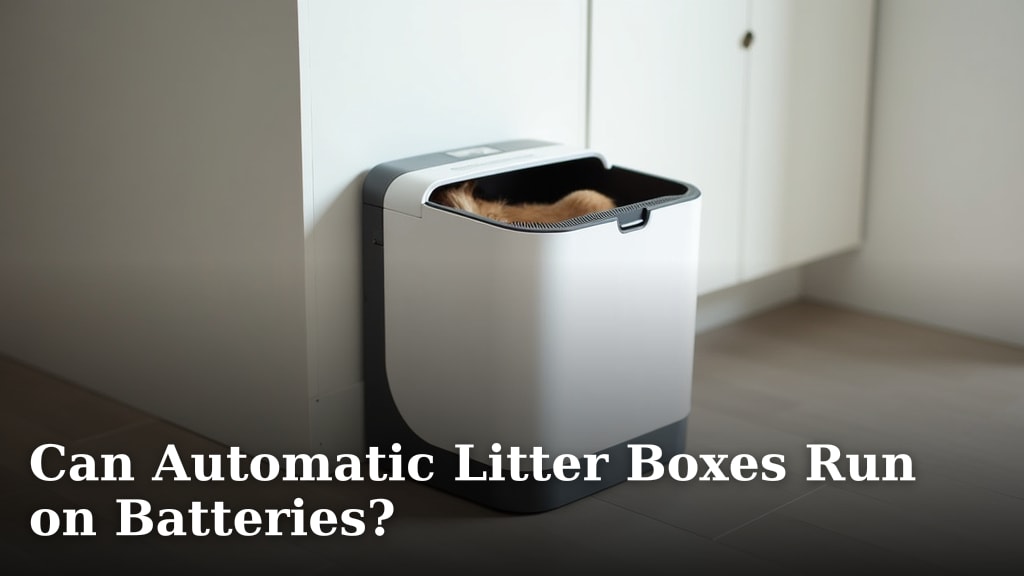
Yes, many automatic litter boxes can run on batteries, providing a convenient power alternative. However, not all models are battery-compatible, so you’ll need to check product specifications carefully. This option is often designed for flexibility in homes without easy outlet access.
Are you tired of dealing with cords? Battery-powered litter boxes offer a portable solution, but they may require frequent battery changes. We found that while they add convenience, plug-in models can sometimes be more reliable for heavy use. To learn more about their overall performance, read our guide on whether automatic cat litter boxes really work.
- Some automatic litter boxes are specifically designed to run on batteries.
- This feature is
Do Automatic Litter Boxes Work on Battery Power?
Yes, many automatic litter boxes can run on batteries. This gives you a cord-free option for your cat’s bathroom. It’s a great choice if your outlet is far away or if you want to move the box around. But not every model has this feature, so you have to check the specs. We found that battery operation is a popular add-on, not a standard on all units. Let’s look at how it really works for you.
Understanding Battery-Powered Automatic Litter Boxes
These devices use batteries to power their scooping or sifting mechanisms. They work like a regular automatic box, just without the plug. The main idea is simple: batteries provide the electricity to run the motor. You might think of it like a toy remote that needs batteries to move. The process is the same. Your cat uses the box, and the battery does the cleaning work.
How the Power System Works
The system usually includes a motor, sensors, and a battery compartment. When your cat steps in, sensors trigger the cleaning cycle. The motor then moves the rake or sifts the litter. All this needs power. With batteries, that power comes from replaceable cells. Many models use standard AA or C batteries. Others use rechargeable packs. This setup keeps the cleaning automatic, but it relies on the battery level to work right.
Battery Types You’ll Commonly See
There are two main types of batteries used. First, there are disposable alkaline batteries. These are easy to find in any store. You just pop them in when they die. Second, there are rechargeable batteries or packs. These often come with a charging unit. You plug them in to recharge, just like a phone. We found that rechargeable systems are better for heavy use. They save you money on buying new batteries often. Alkaline batteries are more of a one-time-use deal. They can run out quickly in a busy household.
Key Features That Depend on Batteries
The battery powers everything from the timer to the cleaning cycle. This includes the motor that scoops waste. It also runs the sensors that detect your cat. If the battery is low, these features might slow down or stop. Some models have a low-battery warning light. Others might just stop working until you change them. This is why you need to pick a model with good battery life. A good rule is to check reviews for how long the batteries last. Many users say a set lasts from one to three months. That depends on how often your cat uses the box.
Pros of Battery-Operated Litter Boxes
Battery power can make life easier in many ways. It adds flexibility and convenience to your home setup. You don’t have to worry about cords getting tangled or chewed. This is a big plus if your cat is a curious chewer. Also, you can place the box anywhere without needing an outlet. That’s perfect for small apartments or rooms without sockets. We found that many pet owners love this portability. It lets you clean up without being stuck in one spot.
- No cords to trip over or chew
- Place the litter box anywhere in your home
- Easy to move for cleaning or rearranging
- Good for travel or temporary setups
Another benefit is the quiet operation. Battery motors are often less noisy than plug-in ones. This can help skittish cats feel more at ease. It’s a small thing, but it makes a difference for your pet’s comfort. Many experts say that a calm environment helps with litter box training. So, batteries can indirectly support better habits for your cat.
Cons and Challenges to Consider
Battery power isn’t perfect. There are some downsides you should know. First, you need to replace or recharge batteries regularly. This can get annoying if you forget. It’s like having to charge your phone every night. If you don’t, the box might stop working. This could lead to accidents if your cat can’t use it. We found that some users overlook this and end up with messy problems. So, you have to be on top of battery maintenance.
Battery Life and Cost Issues
Battery life varies by model and usage. A heavy-use household might drain batteries in weeks. A single-cat home could last months. The cost adds up too. Disposable batteries can be expensive over time. Rechargeable ones have a higher upfront cost but save money later. We recommend looking for models with energy-saving modes. Some boxes have a standby feature that uses less power. This helps extend battery life between changes. But not all models offer this, so check the manual.
Performance Drops with Low Battery
When batteries get low, the motor might slow down. This can cause incomplete cleaning cycles. Your litter box might not scoop all the waste. This is a real problem for hygiene. A dirty box can lead to your cat avoiding it. Experts from the American Veterinary Medical Association stress the importance of a clean litter box. It prevents behavioral issues and health risks. So, low battery power can indirectly affect your cat’s health. You need to monitor battery levels closely to avoid this.
Which Models Are Designed for Battery Use?
Not all automatic litter boxes run on batteries. Many popular brands have models that do. For example, some versions of the Litter-Robot have battery backup options. Others, like certain PetSafe models, are specifically made for battery power. We found that the best battery-powered boxes often have a dual power system. They can run on batteries or plug into an outlet. This gives you the best of both worlds. You can switch based on your needs.
Examples of Battery-Compatible Models
Here are a few types you might find. First, there are compact battery-powered boxes. These are smaller and good for kittens or small spaces. Second, there are full-size models with battery options. These work like standard boxes but with a battery backup. Third, there are hybrid models that use both batteries and AC power. This is a common feature in many modern units. We suggest checking product listings for terms like “battery operation” or “cordless.” This will help you spot the right models quickly.
Model Type Power Source Ideal For Compact Battery-Only Disposable or rechargeable batteries Small apartments, travel Hybrid (Battery + AC) Batteries and wall outlet Flexibility, heavy use Rechargeable Pack System Rechargeable battery pack Daily use, cost savings This table shows the common types. You can see how each fits different needs. It’s a quick way to compare options without reading long descriptions. Many shoppers find this helpful when deciding.
How to Choose the Right Battery-Powered Litter Box
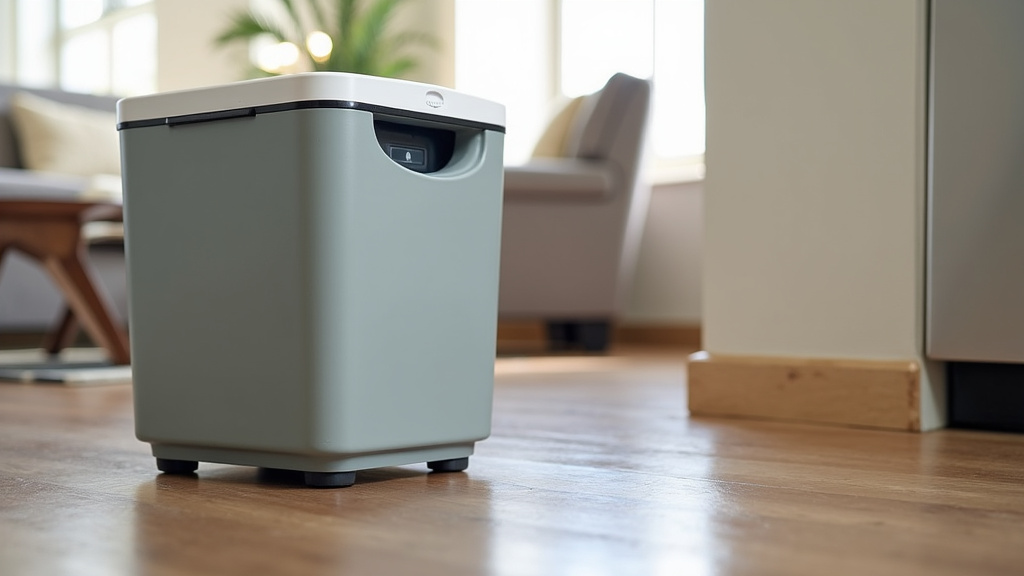
Picking the right model depends on your situation. First, think about how many cats you have. More cats mean more use, so you need longer battery life. Next, consider where you’ll place the box. If there’s no outlet nearby, battery power is a must. We found that reading user reviews is key. They often mention real-world battery performance. This gives you a clear idea of what to expect. Don’t just rely on the manufacturer’s claims.
Important Factors to Check
Look for these points when shopping. Check the battery type and how long it lasts. See if it’s rechargeable or disposable. Also, look for energy-saving features. Some boxes have automatic shutoff modes. This can save battery power when not in use. Another factor is the motor efficiency. A better motor uses less battery. We recommend asking about warranty coverage too. Some brands cover battery-related issues. This adds peace of mind for your purchase.
Budget and Long-Term Costs
Think about the total cost over time. A battery-powered box might cost more upfront if it’s rechargeable. But you save on buying new batteries. Disposable ones are cheaper initially but can cost more later. We found that for most people, a rechargeable system pays off. It’s like buying a reusable water bottle versus disposable ones. The initial cost is higher, but the savings add up. Make sure to factor this into your decision.
Installation and Setup Tips
Setting up a battery-powered litter box is simple. You don’t need to hire an electrician. Just find a good spot for the box. Place it in a quiet area where your cat feels safe. Then, insert the batteries according to the manual. Some models might require a quick calibration. This usually takes a few minutes. We found that following the instructions closely helps avoid issues. It’s like putting together a simple puzzle. Do it right, and it works perfectly.
Where to Place Your Battery-Powered Box
Location matters for both you and your cat. Avoid high-traffic areas where people might trip over it. Also, keep it away from direct sunlight. Heat can affect battery performance. A cool, dry spot is best. Many guidelines from pet care experts suggest a quiet corner. This helps your cat use the box regularly. You might also consider a litter mat to catch spills. This keeps the area clean and makes maintenance easier.
Maintenance and Battery Care
Conclusion
Battery-powered automatic litter boxes offer a cord-free solution for flexible placement around your home. They eliminate tripping hazards and let you position the box where your cat prefers. The main trade-off is the need to regularly replace or recharge batteries to maintain consistent cleaning performance. We recommend looking for models with long battery life or hybrid power options for the best reliability. Your next step is to review the specifications and user feedback for any battery-powered model you’re considering to ensure it fits your daily routine and your cat’s needs.
Frequently Asked Questions
Can I mix disposable and rechargeable batteries in my automatic litter box?
We advise against mixing battery types, as it can cause uneven power drain and potentially damage the unit. Always follow the manufacturer’s instructions for battery use to ensure safe and proper operation.
Do battery-powered automatic litter boxes have a backup if the batteries die?
Some hybrid models are designed with a dual power system, allowing them to switch to a plug-in outlet if batteries run low. Check product details to see if this feature is included, as not all battery-only models have this capability.
How can I make the batteries in my automatic litter box last longer?
Look for models with energy-saving modes or automatic shutoff features to reduce power consumption. Placing the unit away from extreme heat can also help preserve battery life over time.
Are battery-powered litter boxes suitable for large or multi-cat households?
They can work, but you’ll likely need to change batteries more frequently due to higher usage. We suggest choosing a model with a high-capacity rechargeable pack for heavy-use environments.
What happens to the cleaning cycle if the batteries are low?
The motor may slow down or stop completely, leading to incomplete scooping. This is why monitoring battery levels and responding to low-power warnings is important for maintaining hygiene.