Low Profile Automatic Litter Box: Explained
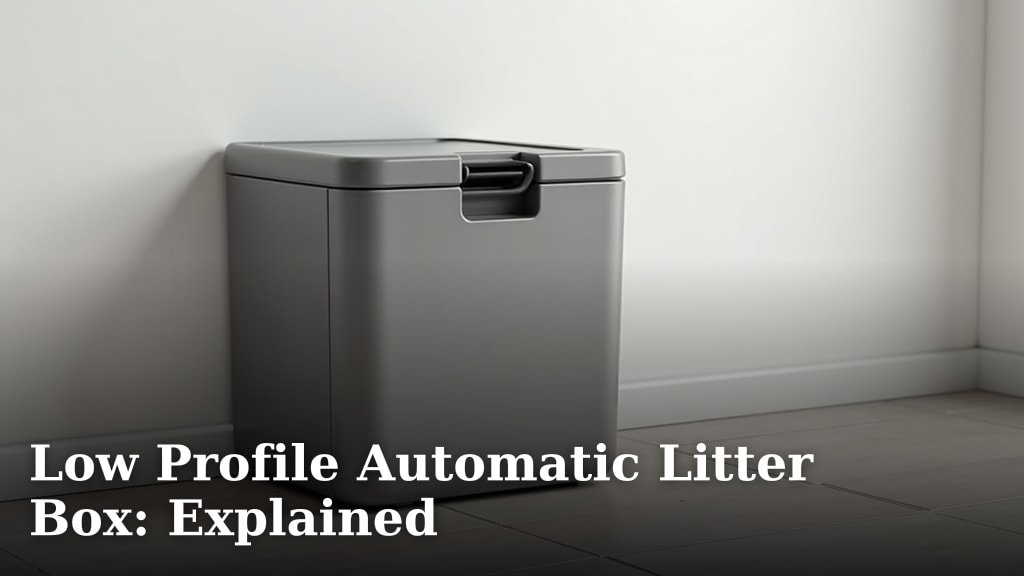
A low profile automatic litter box is a self-cleaning cat toilet designed to sit closer to the floor. This makes it easier for kittens, senior cats, or cats with mobility issues to access. It works by automatically raking waste into a hidden compartment after your cat leaves.
These boxes offer convenience for busy cat parents. They help manage odors and reduce the frequency of manual scooping. Many models feature quiet operation and low energy consumption. Understanding their features can help you choose the right model for your home.
TL;DR:
- Low profile means easier access for all cats.
- Self-cleaning action manages waste automatically.
- Helps reduce odors and manual scooping time.
- Look for quiet operation and good waste storage.
Let’s break down what a low profile automatic litter box really is and what it can do for you and your feline friend.
Understanding Low-Entry Automatic Litter Boxes
A low profile automatic litter box is designed with accessibility in mind. Its main feature is a shorter wall height. This makes it much easier for your cat to step in and out. It’s a great choice if you have a kitten or an older cat. Cats with arthritis or other mobility problems will also find it much more comfortable.
These automated litter boxes help with pet waste management. They do the scooping for you. This can save you time and reduce the odor in your home. The waste is typically moved to a sealed compartment. This keeps it out of sight and smell until you’re ready to empty it.
Why Choose a Low Profile Design?
The most obvious benefit is ease of entry. Imagine your cat having to jump over a tall wall just to use the bathroom. For some cats, especially older or smaller ones, this can be a real challenge. A low profile means less effort for them.
Benefits for Different Cats
Kittens are still learning. A low entry means they can easily find and use the litter box. This can help with litter training. Senior cats often have joint pain. A lower box reduces that strain. For cats recovering from surgery or with physical disabilities, it offers independence.
We found that many cat owners appreciate the reduced stress for their pets. A difficult-to-access litter box can lead to accidents outside the box. Making it easy for them to use is key to a happy home.
Reduced Odor and Mess
Automatic litter boxes are known for odor control. The waste is usually raked into a sealed bin. This traps smells effectively. Many models use activated carbon filters too. These further help to neutralize odors. Your home can stay fresher.
These units also tend to be cleaner. The automatic raking action removes solid waste promptly. This means a consistently clean surface for your cat. It’s like having a fresh litter box every time they use it.
How Do They Work?
The basic principle is simple: detect and clean. Most automatic litter boxes use a sensor. This sensor detects when your cat has left the box. After a short delay, the cleaning cycle begins. This delay is important. It gives your cat time to move away fully.
The Raking Mechanism
Once the cycle starts, a rake or a rotating drum moves through the litter. It collects any solid waste and clumps. These are then deposited into a hidden waste receptacle. The rake then returns to its starting position. The litter is left clean for the next use.
The raking action is generally quite quiet. Manufacturers aim for minimal disturbance for pets and people. You might hear a soft whirring sound, but it’s usually not alarming.
Waste Storage and Disposal
The waste is stored in a compartment. This compartment is usually lined with a bag. How often you need to empty it depends on the box size and your cat’s habits. For one cat, it might be once a week or even less. This is a big relief for busy cat parents.
Disposal is straightforward. You simply remove the bag from the receptacle and tie it up. It’s then like taking out regular trash. This is far more convenient than scooping daily. Many cat owners report less frequent contact with waste.
Key Features to Look For
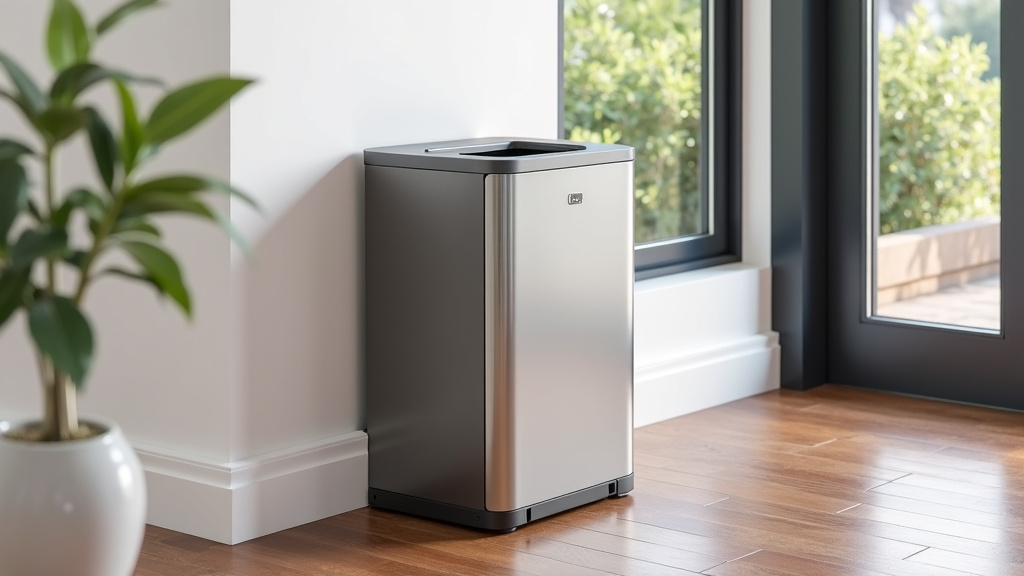
When shopping for a low profile automatic litter box, several features stand out. Think about what matters most for your home and your cat. Ease of cleaning the unit itself is important. Also, consider the size and capacity of the waste bin.
Sensor Technology and Safety
Safety is a top concern. Most units have anti-pinch sensors. These are designed to stop the cleaning cycle if something enters the box. This protects your cat from harm. Look for clear information on how the sensors work.
Some models also have weight sensors. They only activate the cleaning cycle when the cat’s weight is no longer detected. This is a common and effective safety measure. It ensures the box operates only when empty.
Litter Compatibility
Not all automatic litter boxes work with all types of litter. Most are designed for clumping clay litter. Some can handle other types like silica gel. Always check the manufacturer’s recommendations. Using the wrong litter can cause the box to malfunction.
The litter depth also matters. Too little litter won’t allow for proper clumping. Too much can interfere with the rake. You’ll likely need to experiment a bit to find the right amount.
Odor Control Systems
Beyond the sealed waste bin, some boxes have added features. Look for models with odor filters. Activated carbon filters are common. They absorb and neutralize smells. Some units also use ionization or UV light to reduce bacteria and odors.
The effectiveness of odor control can vary. It often depends on the litter used and the cat’s diet. However, a good system makes a noticeable difference. It helps keep your living space smelling fresh.
Noise Level and Power Consumption
A quiet machine is a happy machine. Especially if your cat is easily startled. Most models are designed to be low noise. Look for reviews that mention the sound level. Some are nearly silent, while others have a gentle hum.
These boxes also use electricity. They are generally energy efficient. Power consumption is usually quite low. You can expect it to add a small amount to your electricity bill. It’s comparable to a small appliance.
Maintenance and Durability
Even automatic boxes need some care. You’ll need to scoop out any waste the rake misses. The litter needs to be topped up. The unit itself will need occasional cleaning. Look for designs that are easy to disassemble for washing.
The materials used contribute to durability. High-quality plastic and robust mechanical parts are desirable. Reading user reviews can give you a good idea of how well a specific model holds up over time.
Is a Low Profile Automatic Litter Box Right for You?
Consider your lifestyle and your cat’s needs. If you’re often away from home, an automatic box can provide peace of mind. If you have mobility issues yourself, it can greatly simplify litter box duty.
Think about your cat. Are they hesitant to use traditional boxes? Do they have trouble jumping? A low entry model could be the solution. It’s about making life easier for both of you. It’s about a cleaner, more pleasant environment.
Here’s a quick checklist to help you decide:
- Does your cat have trouble entering a standard litter box?
- Are you looking to reduce litter box odors?
- Do you want to minimize daily scooping?
- Is a quiet operation important for your pet or home?
- Can you commit to occasional cleaning and waste disposal?
- Does the unit’s size fit your space?
Conclusion
A low profile automatic litter box can truly simplify your life as a cat owner. You get a cleaner home with less odor and a significant reduction in daily scooping. These boxes are especially beneficial for kittens, senior cats, or those with mobility challenges, offering them greater independence. By understanding the features like sensor safety, litter compatibility, and maintenance needs, you can make an informed choice. Take the next step and research models that fit your budget and your cat’s specific needs to enjoy a more convenient and pleasant living space.
Frequently Asked Questions
How do I get my cat to use the new automatic litter box?
Introduce the box gradually. Place it near their old litter box and let them explore it on their own terms. You can try using a familiar litter or a litter attractant to encourage use. Most cats adapt quickly, especially to the low entry.
Are low profile automatic litter boxes noisy?
Most low profile automatic litter boxes are designed for quiet operation. You might hear a soft whirring sound during the cleaning cycle, but it’s usually not loud enough to startle most cats or disturb people. Many users find the noise level to be very minimal.
How often do I need to empty the waste receptacle?
This depends on your cat’s habits and the size of the waste bin. For a single cat, you might only need to empty it once a week or even less frequently. The sealed compartment helps contain odors between emptyings.
Can I use any type of cat litter in these boxes?
Generally, low profile automatic litter boxes work best with clumping clay litter. Some models may be compatible with other types, but it’s essential to check the manufacturer’s recommendations. Using the wrong litter could cause the cleaning mechanism to malfunction.
What if my cat is scared of the automatic cleaning cycle?
Most automatic litter boxes have a delay after your cat leaves before the cleaning cycle begins. This gives your cat plenty of time to move away. If your cat is still hesitant, you can manually run the cycle when they are not around to get them used to the sound.