Automatic Litter Box That Uses Regular Litter: Explained
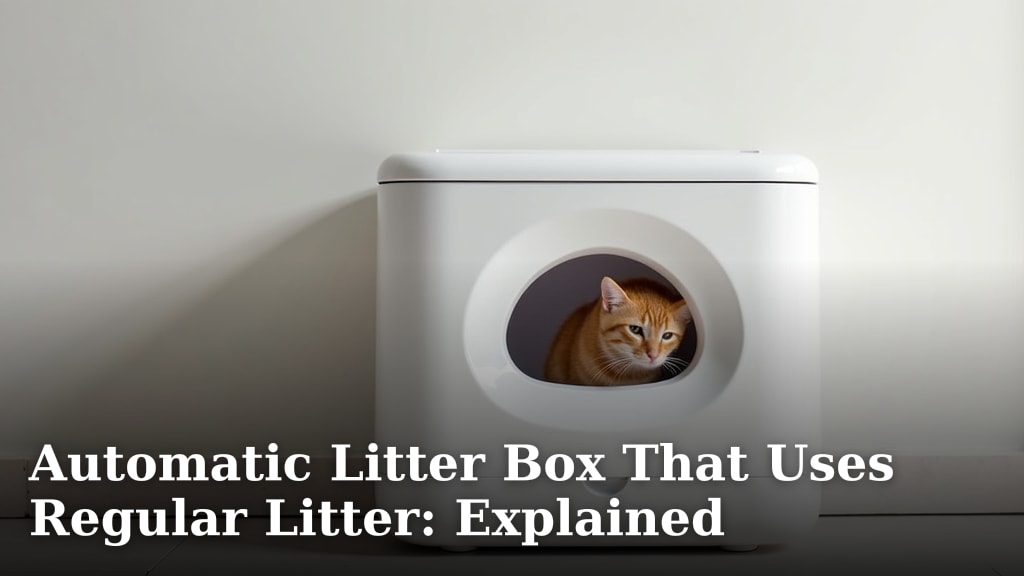
Yes, automatic litter boxes that use regular cat litter are a real thing. These devices offer a hands-off solution for managing your cat’s waste, reducing the need for daily scooping and helping to control odors by automatically cleaning the litter tray after each use. You can enjoy a cleaner home with less effort.
Many modern automatic litter boxes are designed to work with the clumping cat litter you likely already buy. This means you don’t have to hunt for special, expensive litter. They typically use a sensor to detect when your cat has finished their business, then a rake or conveyor system gently sifts the waste into a sealed compartment.
- Automatic litter boxes clean themselves.
- Most use standard clumping cat litter.
- They reduce odors and scooping duties.
- Sensors detect cat use for automatic cleaning cycles.
- A sealed compartment holds waste for easier disposal.
Below, we’ll explain how these smart litter boxes work and what you should know before you buy one for your furry friend.
You’re looking for a way to cut down on litter box duty, and you want to know if automatic litter boxes really work with the cat litter you already buy. The good news is, they absolutely can! Many modern automatic litter boxes are designed with your convenience in mind. This means they can handle the familiar clumping litter you’ve probably been using for years. You don’t need to special-order or pay extra for special litter.
How Self-Cleaning Litter Boxes Work with Regular Litter
These smart devices are engineered to make your life easier. They use simple mechanics and smart sensors to keep themselves clean. You might be wondering how a machine can sift through litter effectively. It’s actually quite clever!
The Detection Process
First, the litter box needs to know when your cat has visited. Most automatic litter boxes use sensors for this. These can be weight sensors or infrared sensors. When your cat steps in, the sensor is triggered. It notes the cat’s presence and its weight. After your cat leaves, there’s usually a short delay.
This delay is important. It gives the cat time to move away from the box. It also allows the litter clumps to form properly. Most manufacturers recommend a delay of 5 to 10 minutes. This ensures the cleaning cycle doesn’t start too soon. It’s a small but vital step in the process.
The Cleaning Mechanism
Once the delay period is over, the magic happens. The litter box initiates its cleaning cycle. There are a few common ways this is done. The most popular methods involve a rake or a rotating drum. Both aim to separate the solid waste from the clean litter.
A rake system is common. A rake slowly moves across the litter bed. It collects any clumps of waste as it goes. The rake then deposits these clumps into a separate, sealed compartment. This compartment is usually a drawer or a small bin within the litter box. It keeps odors contained. The rake then returns to its starting position, ready for the next cycle.
Another method uses a rotating or tilting drum. The entire litter bed is contained within this drum. After your cat leaves, the drum slowly rotates or tilts. As it moves, a screen or sieve separates the waste. The clean litter falls back into the main bed. The waste gets trapped and moved into the waste compartment. This can be very effective at a deep clean.
Waste Storage and Disposal
The waste compartment is key to convenience. It’s designed to hold several days’ worth of your cat’s waste. This means you don’t have to scoop daily. When the compartment is full, you simply remove a bag or drawer. You can then dispose of the waste like regular household trash. Many models use standard trash bags, which are easy to find. This makes the entire process much cleaner and less frequent.
Choosing the Right Automatic Litter Box for Your Needs
Not all automatic litter boxes are created equal. When you’re looking for one that works with your preferred litter, consider a few things. Your cat’s personality and your home environment play a big role.
Litter Type Compatibility
This is your main concern, so let’s focus here. Most automatic litter boxes are designed for clumping clay litter. This is the most common type of cat litter. It forms solid clumps when it gets wet, which is essential for the sifting mechanism to work. If you use a non-clumping litter, you’ll likely need to switch. Make sure the product description explicitly states it works with clumping litter.
Some boxes might also work with other types of clumping litter, like corn or walnut-based clumping litters. Always check the manufacturer’s specifications. They usually have a list of recommended litter types. Sticking to their recommendations ensures optimal performance and prevents damage to the mechanism. Using the wrong litter can cause it to stick to the rake or sieve, leading to clogs and unpleasant smells.
Size and Your Cat’s Comfort
Your cat needs to feel safe and comfortable using the box. Automatic litter boxes can sometimes be smaller than traditional ones. This is because they house the motor and waste compartments. Research shows that cats prefer a litter box that is about 1.5 times the length of their body. If your cat is on the larger side, or if you have multiple cats, you’ll need to find a more spacious model.
Consider models with a generous interior space. Some have a more open design, while others have a covered dome. Your cat might have a preference. If your cat is shy or easily startled, an open design might be better. If odor control is a top priority, a covered box with a good filter can be more effective.
Ease of Maintenance
While these boxes reduce daily scooping, they still need some maintenance. You’ll need to periodically empty the waste drawer. You’ll also need to clean the litter bed itself. Most manufacturers suggest a full litter change and box cleaning every few weeks. This depends on the number of cats and how often they use the box. Look for models with removable, easy-to-clean parts. A simple wipe-down should be sufficient for most components.
Cleaning the sensors is also important. Dust and debris can sometimes interfere with their function. Most models have a simple manual cleaning mode. This allows you to run the cycle for maintenance without litter. It’s a good practice to do this every few weeks. This helps keep the box running smoothly for years to come.
Smart Features and Connectivity
Some advanced models offer smart features. These can include Wi-Fi connectivity and smartphone apps. Through an app, you might be able to monitor waste levels. You could also receive notifications when the drawer needs emptying. Some even track your cat’s usage patterns. This can be helpful for monitoring your cat’s health. It can alert you to changes in their bathroom habits.
Are these smart features essential? Probably not for everyone. But for tech-savvy pet owners, they can add another layer of convenience. They can provide peace of mind. Weigh the cost of these features against your budget and needs. A basic, reliable automatic litter box can be just as effective at reducing your chores.
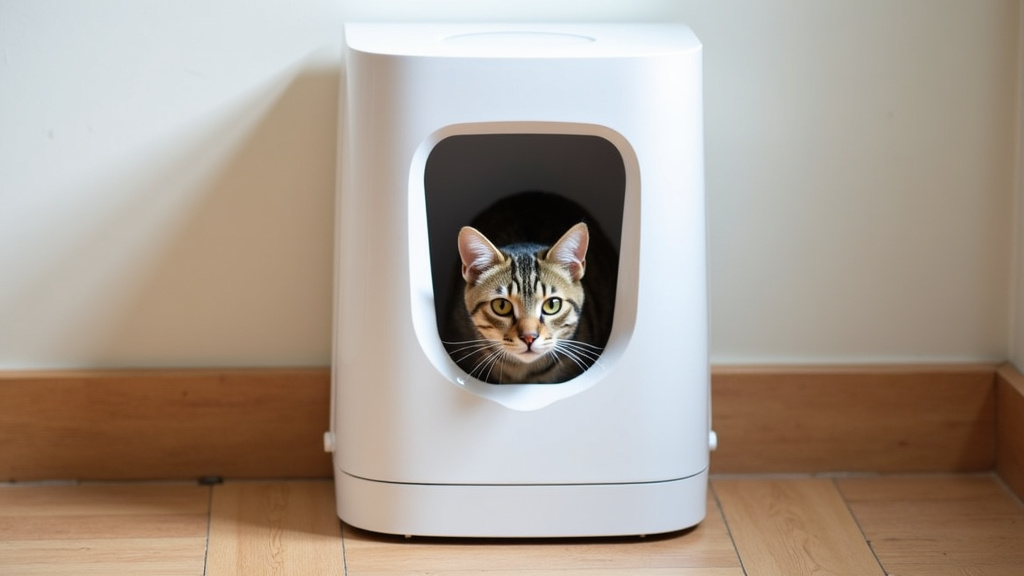
A Quick Checklist Before You Buy
To make sure you get the right automatic litter box for your home and your cat, consider these points:
- Does it clearly state it works with standard clumping cat litter?
- Is the interior space large enough for your cat’s comfort?
- What is the capacity of the waste drawer before it needs emptying?
- How easy is it to clean and maintain the different parts of the box?
- Does it have features you truly need, or are they just extra costs?
- Read reviews from other cat owners about reliability and noise levels.
| Feature | Standard Manual Box | Automatic Litter Box |
|---|---|---|
| Daily Scooping | Required | Rarely or never |
| Odor Control | Depends on frequency of scooping and litter type | Often superior due to waste containment and frequent cleaning |
| Litter Type | Wide compatibility | Primarily clumping litter (check specifications) |
| Initial Cost | Low | High |
| Maintenance Frequency | Daily scooping, weekly full clean | Waste emptying every few days, monthly full clean |
| Power Source | None | Requires electricity (outlet or battery) |
Conclusion
You’ve learned that automatic litter boxes can indeed simplify your life by using the regular clumping litter you already have. These smart devices take over the daily chore of scooping. They work by using sensors to detect when your cat has finished, then a mechanism sifts waste into a sealed compartment. This means less odor and less work for you. Before you buy, consider your cat’s comfort and the box’s size. Make sure to check for litter compatibility and ease of maintenance. Your next step is to look at specific models that match your cat’s needs and your budget.
Frequently Asked Questions
Will my cat get scared of an automatic litter box?
Some cats can be initially hesitant. It’s a good idea to introduce the box gradually. Let your cat explore it while it’s turned off. You can also place familiar items inside. Most cats adjust within a few days. Patience is key during the transition.
How often do I really need to empty the waste drawer?
This depends on how many cats you have and their bathroom habits. For a single cat, you might empty it every 2-3 days. With multiple cats, it could be daily. The waste compartment’s capacity varies by model. Check the manufacturer’s estimate for your specific box.
Can I use a litter mat with an automatic litter box?
Yes, a litter mat can still be helpful. It catches stray litter tracked out of the box. Some mats are designed to fit with automatic boxes. Ensure the mat doesn’t interfere with the box’s sensors or cleaning mechanism. Keep it positioned to catch litter without blocking entry.
What happens if the automatic litter box malfunctions?
Most automatic litter boxes have safety features. They should stop if they detect an issue or if your cat re-enters during a cycle. If a malfunction occurs, you may need to manually reset the unit. Refer to your owner’s manual for troubleshooting steps. Contacting customer support is also an option.
Do these boxes use a lot of electricity?
Automatic litter boxes use minimal electricity. They typically have low-wattage motors. The cleaning cycle only runs for a short period after each use. You can compare their energy consumption to other small home appliances. Many people find the energy cost to be very reasonable for the convenience gained.