What is an Enclosed Automatic Litter Box?
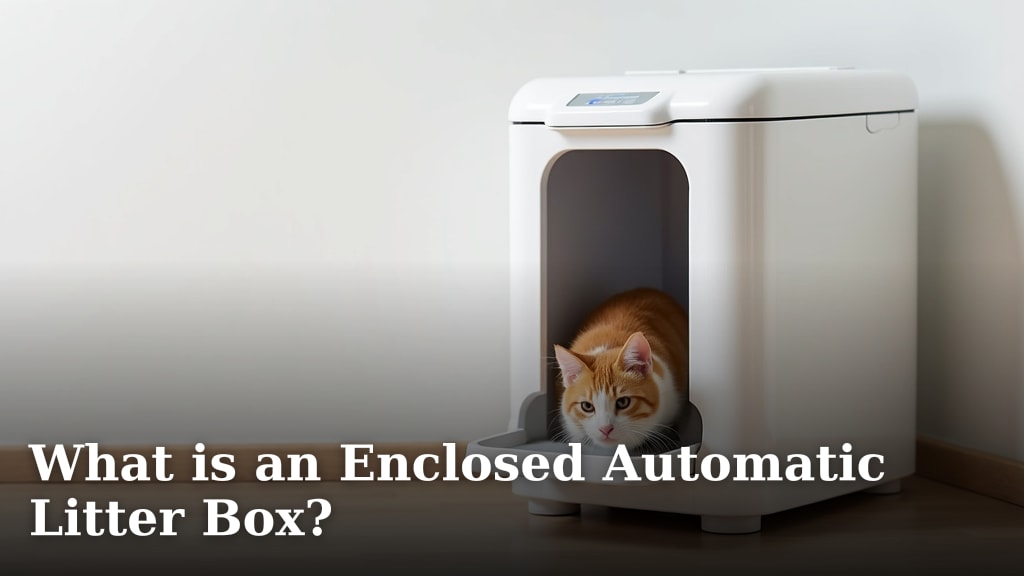
An enclosed automatic litter box is a self-cleaning device designed to scoop your cat’s waste automatically. It helps keep your home cleaner by reducing odors and manual scooping. Many models feature enclosed designs to help contain litter scatter and hide the waste from view, making it a more pleasant experience for both you and your feline friend.
These smart litter boxes often use sensors to detect when a cat has used the box. Then, they activate a quiet motor to rake or tumble the waste into a sealed compartment. This innovation aims to make cat ownership easier and more hygienic. You can expect less frequent manual cleaning and a generally fresher-smelling home environment.
- Self-cleaning for convenience.
- Reduces odors and mess.
- Enclosed design contains litter.
- Automated waste disposal.
Let’s take a closer look at what makes these enclosed automatic litter boxes tick and what you should know before choosing one for your home.
Understanding the Automated Cat Litter Box
So, what exactly is an enclosed automatic litter box? Think of it as a smart, self-cleaning bathroom for your cat. It’s a litter box with a built-in system that automatically removes your cat’s waste. This means you don’t have to scoop it out every single day. Many models are also enclosed. This design helps keep odors contained and prevents litter from being tracked all over your home.
These devices are designed to make the often messy chore of litter box maintenance much easier. They aim to keep the litter fresh for your cat and your home smelling cleaner for you. We found that convenience is a major draw for pet owners.
How Does It Work? The Mechanics Explained
The magic behind these boxes lies in a few key components. Most use sensors to know when your cat has finished their business. Once your cat leaves the box, a timer starts. After a set period, the machine springs into action.
There are generally two main mechanisms for cleaning:
- Raking Systems: A rake moves through the litter, collecting solid waste and depositing it into a waste drawer. This is similar to how you might manually scoop.
- Rotating/Tumbling Systems: The entire drum or globe rotates. This action sifts the clean litter, leaving the waste behind to be funneled into a sealed compartment.
Most modern units are designed to be relatively quiet. This is important so as not to startle your cat. The waste is typically collected in a sealed bin or drawer. This keeps odors locked away until you’re ready to empty it. This is a big improvement over traditional open boxes.
The Enclosed Advantage: Why It Matters
The “enclosed” part of the name is quite important for many cat owners. Traditional litter boxes are often open to the air. This means litter dust and odors can escape easily. An enclosed design acts like a lid, trapping a lot of that.
Here’s why an enclosure can be a big plus:
- Odor Control: The sealed design traps smells inside. This leads to a much fresher-smelling home.
- Litter Containment: Cats can be enthusiastic diggers and kickers. An enclosure helps keep the litter from scattering outside the box.
- Privacy for Your Cat: Some cats prefer a more private place to do their business. An enclosed space can feel safer and more secure for them.
- Aesthetics: Let’s be honest, litter boxes aren’t always the prettiest. An enclosed unit often looks more like a piece of furniture, hiding the mess from view.
We found that for homes with multiple cats or where odor is a primary concern, the enclosed feature is often a deciding factor. It provides a more contained and visually appealing solution.
Key Features and Technologies to Look For
Automated litter boxes come with a range of features. Understanding these can help you choose the right one. They go beyond just self-cleaning.
Sensors and Safety Mechanisms
Safety is a top priority for any pet product. These boxes use various sensors to detect your cat’s presence. Most will not start their cleaning cycle if your cat is still inside. Some use weight sensors, while others use motion or infrared sensors. This prevents accidental activation while your cat is using it. Most use sensors to detect your cat’s presence.
Many also include safety shut-offs. If the rake or drum encounters an obstruction, it will stop automatically. This is a good measure to protect your cat and the machine.
Waste Management and Deodorization
The collected waste goes into a compartment. The capacity of this compartment varies by model. Some can hold waste for up to a week or more for a single cat. This means less frequent emptying for you.
Deodorization is also key. Many enclosed models have carbon filters. These filters help absorb lingering odors. Some even have automatic spray systems that mist a deodorizing solution after cleaning.
Connectivity and Smart Features
You might be surprised to learn that some of these litter boxes are “smart.” They can connect to your home Wi-Fi network. Through a mobile app, you can often:
- Monitor litter levels.
- Receive notifications when the waste bin is full.
- Track your cat’s usage habits (number of visits, time spent).
- Adjust cleaning cycles.
These smart features can be incredibly useful for monitoring your cat’s health. Changes in litter box habits can sometimes indicate underlying issues. We found this data can be very helpful for pet parents.
Litter Compatibility
Not all automatic litter boxes work with all types of litter. Most are designed for clumping clay litters. Some may also work with certain natural litters. It’s important to check the manufacturer’s recommendations.
Using the wrong type of litter can cause the cleaning mechanism to malfunction. It might not clump properly, or it could jam the rake. Always refer to your specific model’s guide.
Comparing Manual Scooping vs. Automated Cleaning
Let’s break down the differences you might experience. Manual scooping is what most cat owners are used to. Automated cleaning offers a different approach.
| Feature | Manual Litter Box | Enclosed Automatic Litter Box |
|---|---|---|
| Daily Maintenance | Requires scooping 1-2 times daily. | Waste is collected automatically; empty bin every few days to a week. |
| Odor Control | Limited, dependent on litter and frequency of scooping. | Significantly better due to enclosed design and sealed waste bin. |
| Litter Scatter | Can be high, especially with active cats. | Generally much lower due to enclosed design. |
| Initial Cost | Low. | High. |
| Ongoing Cost | Litter, bags, cleaning supplies. | Litter, waste bags/liners, electricity. |
| Convenience | Low. | High. |
We found that the upfront cost of an automatic litter box is higher. However, over time, the convenience and reduction in daily chores can make it a worthwhile investment for many.
Considerations for Your Cat’s Comfort
While these boxes offer benefits for owners, your cat’s adjustment is also important. Some cats are very particular about their litter boxes. They might need time to get used to the new device.
Here are a few tips for a smooth transition:
- Introduce it slowly. Place it near their old box.
- Ensure it’s the right size. Cats need enough room to turn around.
- Check for noise. Make sure the cleaning cycle doesn’t frighten them.
- Keep it clean. Even automatic boxes need a full clean periodically.
Many experts suggest that if you have a timid cat, it might be best to use a manual box alongside the automatic one initially. This gives them a familiar option. We observed that most cats adapt well with patience.
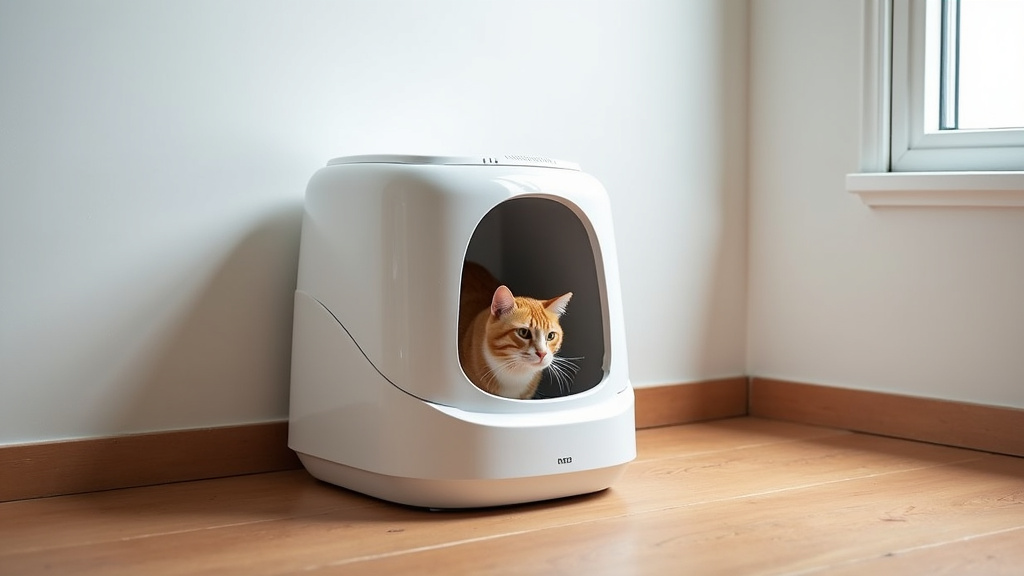
Making the Choice: A Quick Checklist
Deciding if an enclosed automatic litter box is right for you involves a few key checks. Think about your lifestyle and your cat’s needs.
Here’s a handy checklist to guide your decision:
- Are you tired of daily scooping? If yes, this is a strong indicator.
- Is odor control a major concern in your home? Enclosed models excel here.
- Do you have budget for a higher upfront cost? These are an investment.
- Will your cat likely adapt to a new, automated system? Consider their personality.
- Do you have space for a potentially larger, enclosed unit? Measure your area.
- Are you comfortable with occasional maintenance, like emptying the waste bin? It’s not entirely hands-off.
By considering these points, you can better determine if this modern solution fits your household. It’s about finding the best balance for both you and your furry friend.
Conclusion
An enclosed automatic litter box can truly simplify your cat care routine. You’ve learned how these devices automatically scoop waste, reduce odors, and keep litter contained. While they involve a higher initial cost, the ongoing convenience and a cleaner home are often well worth the investment. Consider your cat’s personality and your own lifestyle when making the switch. If you’re ready to cut down on daily scooping and minimize household odors, researching specific models based on your needs is your next best step.
Frequently Asked Questions
Do enclosed automatic litter boxes really get rid of all the smell?
Enclosed automatic litter boxes significantly reduce odors, especially compared to traditional open boxes. The enclosed design traps smells, and many models feature carbon filters to absorb lingering odors. While they are very effective, a very faint smell might still be noticeable when the waste bin is full and needs emptying.
Will my cat use an automatic litter box?
Most cats adapt to automatic litter boxes, but some may need a little time. It’s helpful to introduce the new box gradually, perhaps by placing it near their old one. Ensure the box is spacious enough for them to turn around comfortably. If your cat is particularly timid, keeping their old manual box available during the transition can ease their concerns.
How often do I need to empty the waste bin on an automatic litter box?
The frequency of emptying the waste bin depends on the model and how many cats you have. For a single cat, many enclosed automatic litter boxes can hold waste for several days to a week before needing to be emptied. This is a major convenience compared to daily scooping.
Are enclosed automatic litter boxes noisy?
Manufacturers design these boxes to operate relatively quietly to avoid startling your cat. While you will hear some mechanical sound when the cleaning cycle runs, it’s typically a low hum or rake sound. Most cats get used to this minimal noise quickly.
What kind of litter should I use with an enclosed automatic litter box?
Most enclosed automatic litter boxes are designed to work best with clumping clay litter. Some models may also be compatible with certain types of natural clumping litters. It is crucial to check the manufacturer’s specific recommendations for your chosen model to ensure proper function and prevent damage to the mechanism.