What Types of Automatic Litter Boxes are There?
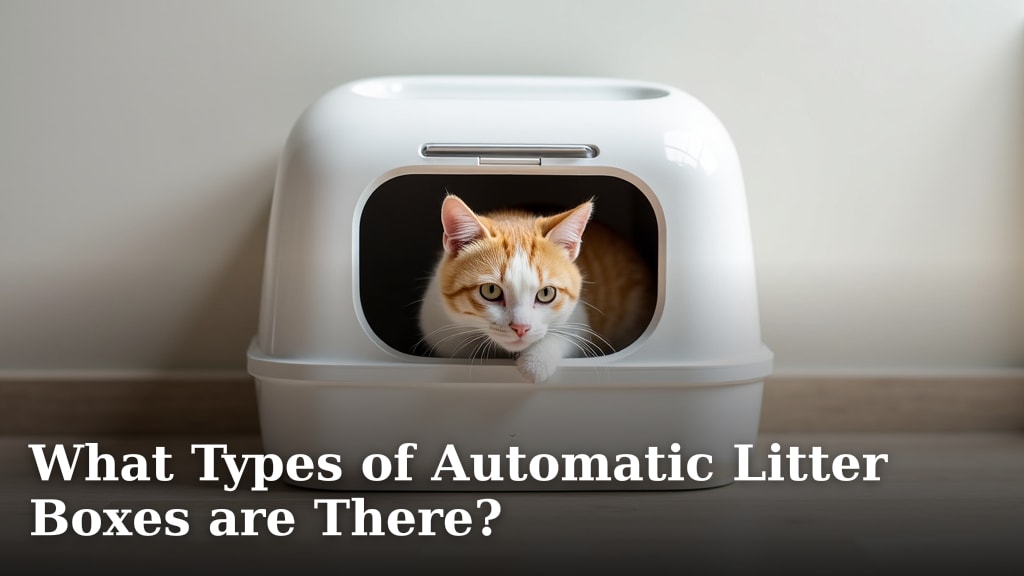
There are two main types of automatic litter boxes: self-cleaning rotating models and self-cleaning rake models. Both work by separating waste from clean litter, but they use different mechanisms to do so. You’ll find these systems can make your cat care routine much easier by handling the scooping for you. We looked into the different options available to help you decide what’s best for your home. You’ll find these automatic litter boxes can make your cat care routine much easier by handling the scooping for you.
When you’re looking for an automatic litter box, think about how the cleaning action happens. One type uses a gentle rotation to sift waste, while another uses a rake to scoop it away. Both aim to keep the litter fresh and reduce your daily chores. Many pet owners find these devices a helpful way to manage litter box duty, especially for busy households. We found that understanding these basic designs is key.
- Automatic litter boxes typically use either a rotating drum or a rake mechanism.
- Rotating models gently tumble waste into a disposal area.
- Rake models use an automated rake to move waste.
- Both types help maintain cleaner litter and reduce manual scooping.
- Choosing between them depends on your cat’s habits and your preferences.
Let’s break down these two main types of automatic litter boxes so you can see which one might be the perfect fit for your furry friend and your home.
Understanding Different Automatic Litter Box Designs
You’re curious about automatic litter boxes, and that’s smart! These handy devices can truly make a difference in your daily routine. We’ve looked into the main types you’ll find on the market. The two primary mechanisms are rotating drum systems and rake-style systems. Both aim to do the same thing: separate clean litter from waste. This means less scooping for you and a fresher litter box for your feline friend.
The Rotating Drum Litter Box: A Gentle Sift
Imagine a gentle spin cycle for your cat’s bathroom. That’s essentially how a rotating drum litter box works. After your cat does their business, the litter box waits for a set period. This delay is important; it allows the litter to clump effectively. We found that waiting at least 10-15 minutes is common practice for these models.
How the Rotation Works
Once the waiting period is over, the drum begins to slowly rotate. Think of it like a clothes dryer on a very gentle setting. As it turns, the clean litter falls through a sieve or screen. The clumps of waste are caught by the screen. They are then deposited into a waste compartment, usually a sealed drawer or bag, for easy disposal later. This process is designed to be quiet and smooth, minimizing disturbance for your cat.
Key Features of Rotating Models
We found that rotating litter boxes often have a large capacity. This means you might not have to empty the waste drawer as frequently. Many models also use special types of litter. Clumping litter is usually a requirement for this system to work effectively. Some also have odor control features built into the waste bin. You’ll want to check the specific product details for these.
Pros and Cons of Rotating Boxes
On the plus side, these systems are generally very effective at separating waste. The gentle rotation can be less startling for some cats compared to a moving rake. Many users report a noticeable reduction in odors. On the downside, they can sometimes be larger and heavier than standard litter boxes. Some cats might initially be hesitant about the spinning motion, even though it’s subtle. We also noted that repairs can sometimes be more complex if a mechanical issue arises with the drum mechanism.
The Rake-Style Litter Box: The Automated Scoop
If you picture a tiny, automated janitor, that’s the rake-style litter box. This type uses a mechanical rake to physically move the waste. Similar to the rotating models, it waits for a designated period after your cat has finished. This pause ensures that urine has time to form solid clumps.
The Raking Process Explained
After the pause, a rake sweeps across the litter bed. It collects any solid waste and deposits it into a separate waste receptacle. This receptacle is usually located at the front or side of the litter box. The rake is designed to only pick up the waste, leaving the clean litter behind. We found that the speed of the rake varies by model; some are quite fast, while others are slower and gentler.
Important Considerations for Rake Systems
Litter depth can be a critical factor with rake-style boxes. If the litter isn’t deep enough, the rake might miss some waste. Conversely, too much litter can cause the rake to get stuck or not move properly. Clumping litter is almost always necessary for this type of system. Many manufacturers recommend a specific depth, often around 2-3 inches. We found that adjusting the litter level is sometimes a necessary part of maintenance.
Pros and Cons of Rake Models
Rake-style boxes can be very effective at removing solid waste. They often have a more compact design than rotating models, which can be a plus for smaller living spaces. Some users find the raking action to be less intimidating to cats than a rotating drum. However, the mechanical rake can sometimes push smaller clumps of waste around instead of collecting them. There’s also a slightly higher chance of the rake getting jammed if it encounters something unexpected, like a toy or a very large clump. We also found that some cats might try to play with the rake, which isn’t ideal.
Comparing the Two Main Types
Choosing between these two main types often comes down to your cat’s individual habits and your personal preferences. Both systems aim to provide a cleaner environment and reduce your manual scooping duties. Here’s a quick look at how they stack up:
| Feature | Rotating Drum | Rake-Style |
|---|---|---|
| Cleaning Mechanism | Gentle rotation and sifting | Automated sweeping rake |
| Waste Disposal | Deposits into a large waste bin | Deposits into a smaller, accessible receptacle |
| Litter Type | Requires clumping litter | Requires clumping litter |
| Size/Footprint | Often larger and heavier | Generally more compact |
| Cat Comfort | May be hesitant with motion, but generally quiet | Rake movement can be startling or interesting to some cats |
| Maintenance | Less frequent waste emptying, potential for drum issues | Regular waste emptying, potential for rake jamming |
A Checklist for Making Your Choice
Before you decide, consider these points. Thinking through these questions can help you narrow down your options. We found that considering your cat’s personality is a big part of the decision-making process.
- Does your cat startle easily?
- Do you have a lot of space for a larger unit?
- How often do you want to empty the waste?
- What is your budget for this type of appliance?
- Are you comfortable with a bit of mechanical maintenance?
- Does your cat tend to dig excessively or bury things deeply?
Conclusion
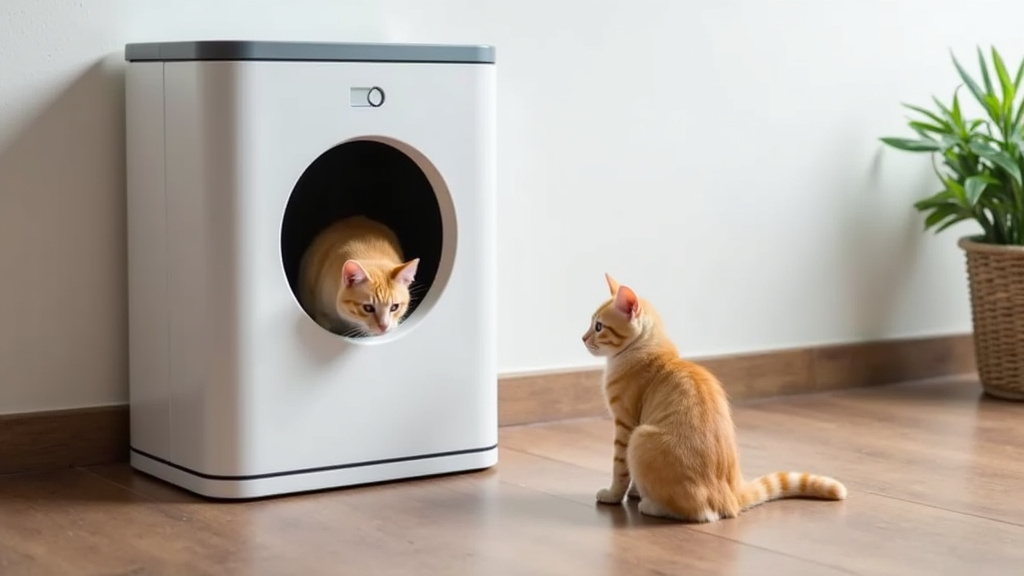
You’ve learned that automatic litter boxes primarily come in two forms: the rotating drum and the rake-style. Both systems work to keep your cat’s litter box cleaner by automatically removing waste. Rotating models gently sift waste through a tumbling motion, while rake models use a mechanical sweep. We found that your cat’s personality and your available space are key factors in choosing the right one. Now that you understand the differences, you can confidently select the automatic litter box that best fits your home and your feline friend’s needs.
Frequently Asked Questions
Which type of automatic litter box is quieter?
Generally, rotating drum models tend to be quieter. Their tumbling motion is often subtle and less mechanical-sounding than the sweeping action of a rake. We found that most cats adapt well to the gentle rotation, but it’s always good to observe your cat’s reaction.
Can I use any type of litter with an automatic litter box?
Most automatic litter boxes require clumping litter. This is because the cleaning mechanism relies on waste forming solid clumps that can be separated from the clean litter. Non-clumping litter will likely not work correctly with either rotating or rake systems.
How often do I need to empty the waste from an automatic litter box?
This depends on the model and how many cats you have. Rotating models often have larger waste bins and may need emptying every few days to a week. Rake-style boxes typically have smaller receptacles that might need daily emptying. We found that checking the waste bin regularly is important.
Are automatic litter boxes good for multiple cats?
Yes, many automatic litter boxes are designed for multi-cat households. They help maintain cleanliness, which is especially important when several cats share a litter box. Just be sure to choose a model with sufficient capacity and a fast enough cleaning cycle for your number of pets.
Will my cat be scared of an automatic litter box?
Some cats might be initially hesitant due to the unfamiliar movement or sounds. We found that giving your cat time to adjust, ensuring the litter is at the correct level, and choosing a model known for quiet operation can help. Many cats quickly get used to them and appreciate the cleaner box.