How Does an Automatic Litter Box Dispose of Waste?
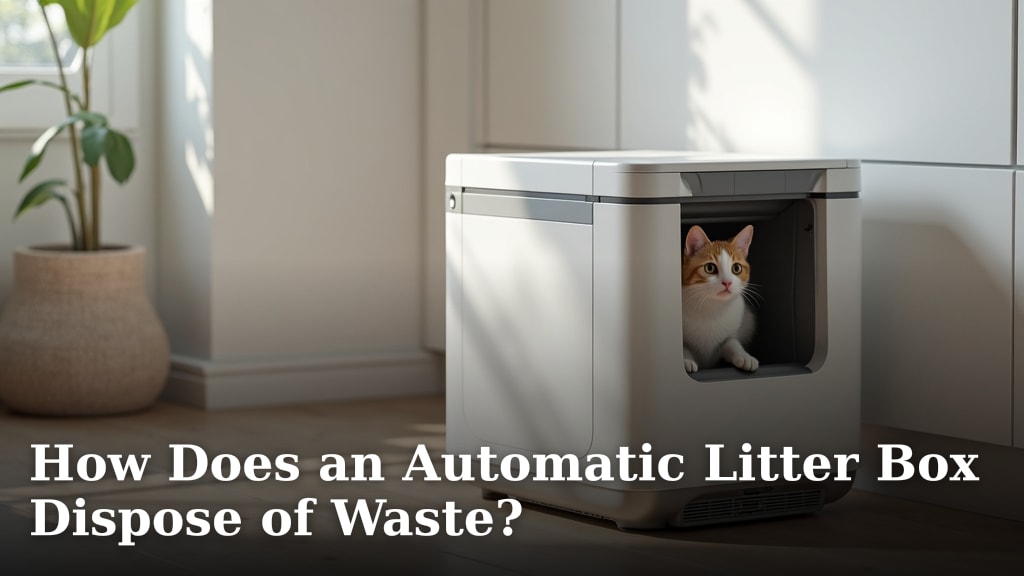
An automatic litter box disposes of waste by using sensors to detect when your cat has used it. Then, a motorized rake or rotating drum moves to sift the clean litter from the waste. The waste is then automatically deposited into a sealed waste compartment, keeping the main litter bed clean and odor-free. This process helps maintain a hygienic environment for both you and your feline friend.
You might be wondering how such a device keeps things so tidy. Many automatic litter boxes work by separating solid waste from clumping litter. They employ various mechanisms, from rakes to rotating drums, to achieve this separation. This automated cleaning means less scooping for you and a consistently fresh litter box for your cat, which many cats appreciate.
- Automatic litter boxes detect waste using sensors.
- A mechanism like a rake or drum separates waste from litter.
- Waste is moved to a sealed compartment for easy disposal.
- This keeps the main litter area clean and reduces odors.
- It means less manual scooping for you.
Ready to understand the magic behind these helpful devices? Let’s walk through exactly how automatic litter boxes manage waste disposal, step by step.
Understanding How Automatic Litter Boxes Work
You’re probably curious about the technology behind these self-cleaning marvels. How does an automatic litter box actually get rid of the mess? It boils down to a clever combination of sensors and mechanical parts. These systems are designed to keep your cat’s litter box consistently clean. This means less work for you and a happier cat.
The Core Components: Sensors and Triggers
The first step in any automatic litter box cycle is detection. Your cat’s visit to the litter box is the trigger. Most automatic models use weight sensors. These sensors are built into the base of the litter box. When your cat steps in, the sensors register their weight.
Some models also use motion sensors. These can detect when your cat enters or exits the box. Other advanced systems might use infrared sensors. These can detect the presence of waste directly. The key is that the system knows when your cat has finished its business. It waits a short period before starting the cleaning cycle.
The Cleaning Mechanism: Rakes and Drums
Once the system is triggered, the magic begins. The way waste is separated depends on the type of automatic litter box you have. There are generally two main types: rake systems and rotating drum systems.
Rake Systems: The Gentle Sifter
In a rake system, a motorized rake moves through the litter. This rake is designed to scoop up solid waste and litter clumps. As it moves, it deposits the waste into a separate compartment. The clean litter falls back into the main bed. Think of it like a tiny, automated sifter. It works best with clumping litter. This is because the waste forms solid clumps that are easy to scoop.
The rake’s path is carefully controlled. It travels across the entire litter bed. This ensures all areas are sifted. Some rakes have tines that are spaced apart. This allows clean litter to pass through easily. The entire process is quiet and efficient. It usually takes just a few minutes to complete.
Rotating Drum Systems: The Tumbling Sorter
With a rotating drum system, the entire litter box unit acts as the cleaning mechanism. The litter bed is inside a large drum. After your cat uses the box, the drum starts to rotate slowly. As it turns, a built-in sieve separates the waste. The clean litter passes through the sieve. The solid waste is collected at the other end.
This type of system is often considered very effective. It can handle larger amounts of waste. The rotation ensures thorough sifting. The waste is then funneled into a disposal tray. Many drum systems are designed to be very user-friendly. They often have a simpler design with fewer moving parts exposed.
Waste Containment: The Sealed Compartment
After the waste is separated, it needs a place to go. This is where the sealed waste compartment comes in. Both rake and drum systems deposit the collected waste into a specific area. This compartment is usually a drawer or a tray at the bottom or side of the unit.
The compartment is designed to be odor-controlled. It often uses a liner or a sealed lid. This traps unpleasant smells. It keeps your home smelling fresh. The waste is contained until you are ready to dispose of it. This makes emptying the waste much cleaner than traditional scooping.
Litter Choice Matters: The Importance of Clumping Litter
For most automatic litter boxes, the type of litter you use is very important. The majority of these devices are designed to work with clumping cat litter. Why clumping litter? Because it holds solid waste and urine together in firm clumps. This makes it easy for the rake or drum to separate the waste from the clean litter.
Non-clumping litters simply absorb moisture. They don’t form solid masses. This means the automatic mechanism would just push wet litter around. It wouldn’t effectively separate the waste. So, when choosing an automatic litter box, make sure you have a good supply of clumping litter on hand. Some manufacturers have specific recommendations for litter depth. It’s usually around 2-3 inches for optimal performance (PetMD).
Maintaining the Automatic Litter Box: Your Role
While automatic litter boxes do the heavy lifting, they still need your attention. You won’t be scooping daily, but regular maintenance is key. This keeps the unit running smoothly and hygienically.
Emptying the Waste Compartment
The waste compartment needs to be emptied periodically. How often depends on the number of cats you have and the size of the compartment. For a single cat, you might empty it every few days. For multiple cats, it could be daily. You simply pull out the drawer or tray and dispose of the waste. Then, you replace the liner if it has one. It’s a much quicker and cleaner task than scooping.
Cleaning the Unit and Litter Change
The entire litter box unit will need occasional deep cleaning. We found that about once a month is a good starting point. You’ll need to remove all the litter. Then, wash the parts according to the manufacturer’s instructions. This usually involves mild soap and water. Avoid harsh chemicals, as they can be harmful to your cat. After cleaning, you’ll refill it with fresh litter.
Changing the litter entirely is also necessary. Even with automatic cleaning, litter degrades over time. It loses its odor-absorbing qualities. Manufacturers often suggest a full litter change every 2-4 weeks. This ensures maximum freshness and odor control. It also helps maintain your cat’s comfort. Cats are known to be picky about their toilets!
A Quick Comparison of Cleaning Methods
Let’s look at how automatic cleaning stacks up against manual scooping. It’s easy to see the benefits.
| Feature | Automatic Litter Box | Manual Scooping |
|---|---|---|
| Frequency of Cleaning | Automatic (after each use, with periodic emptying) | Daily scooping required |
| Odor Control | Excellent (sealed waste compartment) | Fair to Good (depends on litter and scooping frequency) |
| Labor Required | Low (occasional waste disposal and cleaning) | High (daily scooping, regular full litter changes) |
| Consistency for Cat | Always clean, always available | Can be less consistent if not scooped regularly |
| Initial Cost | Higher | Lower |
Putting It All Together: The Automated Cycle Explained
So, to recap, here’s the typical flow:
- Your cat enters the litter box.
- Sensors detect their presence and weight.
- Your cat finishes and exits the box.
- A timer waits a few minutes to allow litter to clump.
- A rake or drum mechanism activates.
- It sifts the litter, separating waste.
- Waste is deposited into a sealed compartment.
- The main litter bed remains clean.
- You periodically empty the waste compartment and clean the unit.
This automated process means your cat always has a clean place to go. It also dramatically reduces your daily chores related to litter box duty. It’s a win-win for you and your furry friend!
Conclusion
You’ve learned how automatic litter boxes use smart sensors and clever mechanisms like rakes or drums to keep your cat’s toilet clean. These systems sift out waste into a sealed compartment, significantly reducing odors and your daily scooping chores. While they handle the waste separation, remember you’re still the one to empty the waste drawer and do occasional deep cleans. By understanding this automated process, you can confidently choose and maintain a litter box that benefits both you and your feline friend, ensuring a consistently fresh environment.
Frequently Asked Questions
How long does an automatic litter box wait before cleaning?
Most automatic litter boxes are programmed to wait a short period, typically around 5 to 15 minutes, after your cat leaves the box. This delay allows the clumping litter time to solidify waste and urine before the cleaning cycle begins.
Can I use any type of cat litter with an automatic litter box?
Generally, automatic litter boxes work best with clumping clay litter. Non-clumping litters don’t form solid masses, making it difficult for the sifting mechanism to separate waste effectively. Always check your specific model’s recommendations.
Will my cat actually use an automatic litter box?
Most cats adapt well, especially if the box is introduced gradually. Cats are often drawn to the consistent cleanliness. If your cat seems hesitant, ensure the litter type is familiar and the box is placed in a quiet, accessible location.
How often do I need to empty the waste compartment?
The frequency depends on your cat and how many you have. For a single cat, you might empty it every 2-3 days. For multiple cats, it could be daily. The sealed compartment helps contain odors between emptying.
Are automatic litter boxes safe for kittens or elderly cats?
For very young kittens or frail elderly cats, ensure the entry height is manageable and the cleaning cycle doesn’t startle them. Some models have features or sensitivities that might be better suited for certain age groups.