How Does Automatic Litter Box Know Cat is Inside?
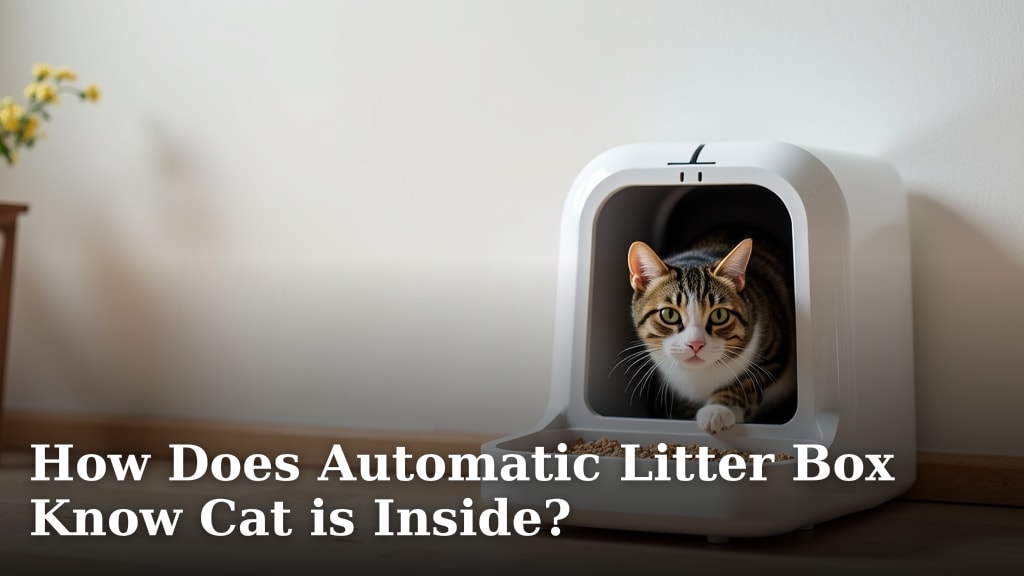
How Automatic Litter Boxes Detect a Cat’s Presence
An automatic litter box knows your cat is inside primarily through sensors. These are the electronic “eyes and ears” of the machine. They constantly monitor the box and trigger the cleaning cycle only after your cat has safely left.
The most common methods involve weight, motion, or infrared beams. But how do they work, and which is best for your feline friend? Let’s look inside the technology.
The Three Main Types of Sensors
Most automatic litter boxes use one of three core technologies. Each has its strengths. Understanding them helps you choose the right box and keep your cat happy.
1. Weight-Activated Sensors
This is the most straightforward system. A scale or pressure sensor sits under the litter pan. It’s calibrated to detect the weight of a typical cat. When your cat steps in, the added weight turns the system “on.”
The box then waits for a specific event. The weight must drop back to the starting point (or below a set threshold). This tells the machine your cat has left. Only then does the cleaning cycle begin. This method is reliable and common in many popular models.
2. Infrared (IR) Beam Sensors
Imagine a tiny, invisible laser grid across the opening. That’s a simple way to think about an IR sensor. A transmitter sends a beam of infrared light to a receiver. When your cat enters, it blocks the beam.
The box registers this blockage as “occupied.” The cycle starts once the beam is restored for a set time after the cat leaves. This method is very responsive. However, it can sometimes be triggered by other pets or curious toddlers, so placement matters.
3. Motion and Weight Combination Sensors
Premium models often combine methods for greater accuracy and safety. They might use an IR beam to detect entry and a weight sensor to confirm occupancy. Some even use dual weight sensors to tell the difference between a cat and, say, a heavy toy that fell in.
This layered approach reduces false starts. It also helps prevent the machine from cleaning while your cat is still inside, which is a top concern for pet owners.
What Happens After It Knows Your Cat Was Inside?
Detection is step one. The real magic is in what happens next. The box doesn’t just clean. It often provides useful data about your pet.
From Trigger to Clean Cycle
Once the sensors confirm your cat has left, a safety timer usually kicks in. Most boxes wait 5 to 15 minutes. This delay ensures your cat is truly done and gone. After the timer, the rake or rotation mechanism activates.
It sweeps the waste into a covered compartment. This design helps control odor and keeps the box clean for the next use. The whole process is designed to be quiet and not startle your cat on its return visit.
Health Tracking: More Than Just a Clean Box
Some advanced automatic litter boxes do more than clean. They monitor your cat’s bathroom habits. Using the same sensors, they can track weight and frequency.
Why does this matter? Changes in weight or elimination frequency can be early signs of health issues like urinary tract disease or diabetes. Research from veterinary science shows that monitoring these patterns is valuable for early detection (Journal of Veterinary Internal Medicine). The data often syncs to an app on your phone.
| Sensor Type | How It Works | Potential Pros | Potential Cons |
|---|---|---|---|
| Weight-Activated | Measures added weight from cat | Reliable, less false triggers | May not work for very light kittens |
| Infrared (IR) Beam | Detects blockage of a light beam | Highly responsive, instant detection | Can be triggered by other pets/objects |
| Combination | Uses multiple sensor types together | Most accurate, best safety features | Typically more expensive |
Choosing and Setting Up for Success
Knowing the tech is great. Now, how do you use it to work for you and your cat? The setup is just as important as the sensor type.
Picking the Right Model for Your Home
Consider your cat first. Do you have a large Maine Coon or a petite Siamese? Check the minimum and maximum weight settings for weight-based models. For a multi-cat household, a high-quality combination sensor model is often best to avoid confusion.
Placement is key. Put the box in a quiet, low-traffic area. Avoid spots near loud appliances. A stable, level floor is crucial for weight sensors to work accurately.
The Initial Setup Checklist
We found that following these steps leads to the smoothest transition for your pet.
- Read the Manual First: Every model has unique calibration steps. Don’t skip this.
- Calibrate the Empty Box: Most require you to press a button to set the “zero” weight with an empty, clean pan.
- Introduce Gradually: Leave the box off and unplugged for a few days with fresh, familiar litter. Let your cat investigate.
- Test Run With You Watching: Turn it on and observe a few cycles. Make sure the rake doesn’t start too soon.
- Check the Warranty & Return Policy: Even good tech can fail. Ensure you’re covered if the sensors malfunction.
Troubleshooting Common Sensor Issues
Sometimes, you might think, “It’s not working right!” Before you worry, run through these common fixes. Most issues are simple.
The Box Isn’t Cycling at All
This is often a power or calibration issue. First, check the outlet and power cord. Ensure the unit is plugged in securely. Second, revisit the manual. The sensors may need a full recalibration. A factory reset can often solve glitches.
The Box Cycles Too Soon (With Cat Inside!)
This is scary, but rare with modern boxes. It can happen if sensors are dirty or misaligned. Clean the sensor areas (often near the entrance) with a dry cloth. Ensure no litter clumps are blocking any IR beams or weighing down the pan incorrectly.
According to guidelines from pet product safety councils, regular maintenance is key to preventing mechanical failures. Clean the sensors as part of your routine.
The Box Cycles Constantly or Erratically
This is almost always a false trigger. Something is activating the sensors. It could be a draft blowing a curtain, another pet sneaking in, or even a houseplant moving. Try placing a camera nearby to catch the culprit. You may need to adjust the sensor sensitivity if your model allows it.
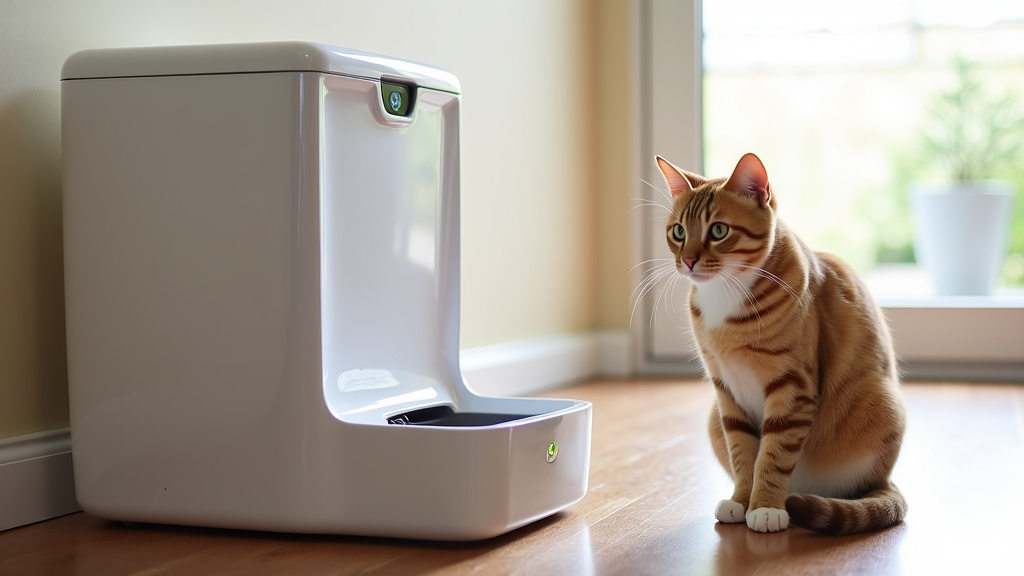
Final Thoughts on Sensor Reliability
Today’s automatic litter boxes are remarkably smart. The sensors are designed with your cat’s safety as the top priority. They use simple physics—weight, light, or both—to create a clean, hands-free experience.
While no technology is perfect, understanding how it works helps you set it up for success. You and your cat can enjoy the convenience together. The key is choosing the right model, setting it up carefully, and performing regular cleaning to keep those sensors happy.
Conclusion
You’ve seen how automatic litter boxes use simple sensor technology—weight, infrared beams, or a combination—to know when your cat is inside and when it’s safe to clean. This smart design prioritizes your pet’s safety while giving you back your time. The key to a smooth experience is choosing the right model for your cat’s size and your home, then following the setup steps carefully. For your next move, check the warranty and return policy of your current or potential litter box. A good return policy offers peace of mind as you and your cat adjust to the new routine.
Frequently Asked Questions
How does the automatic litter box know if it’s just a small kitten inside?
Most weight-based models have a minimum weight setting, often around 1-2 pounds, to detect smaller cats. If your kitten is too light, the sensors might not trigger. For young kittens, you may need to temporarily disable the automatic function or use a model with highly sensitive infrared detection.
Will the automatic cleaning cycle start if my cat is just sitting near the opening?
No, it shouldn’t. Sensors are designed to detect when a cat is fully inside the pan, not just near it. However, if an infrared beam is partially blocked, it might register as occupancy. Proper placement in a quiet area helps prevent these false triggers.
Can I adjust the sensitivity of the sensors if my cat is very small or large?
Many models allow you to calibrate the weight threshold during setup. Consult your manual to adjust the minimum and maximum weight settings. For infrared sensors, sensitivity is usually fixed, but you can ensure the beams are clean and unobstructed for best performance.
What happens if the power goes out while my cat is using the box?
The box will stop all functions immediately. Once power is restored, most models reset to a safe mode and require manual confirmation or recalibration before starting another cycle. Always ensure the unit is plugged into a reliable outlet to avoid interruptions.
Are automatic litter box sensors affected by extreme cold or heat?
Yes, extreme temperatures can impact electronic components. Cold may make mechanisms sluggish, while heat can affect sensor accuracy. Keep the box in a climate-controlled part of your home for optimal operation, and avoid placing it near vents or windows.