Clumping Cat Litter for Automatic Litter Box: What to Know
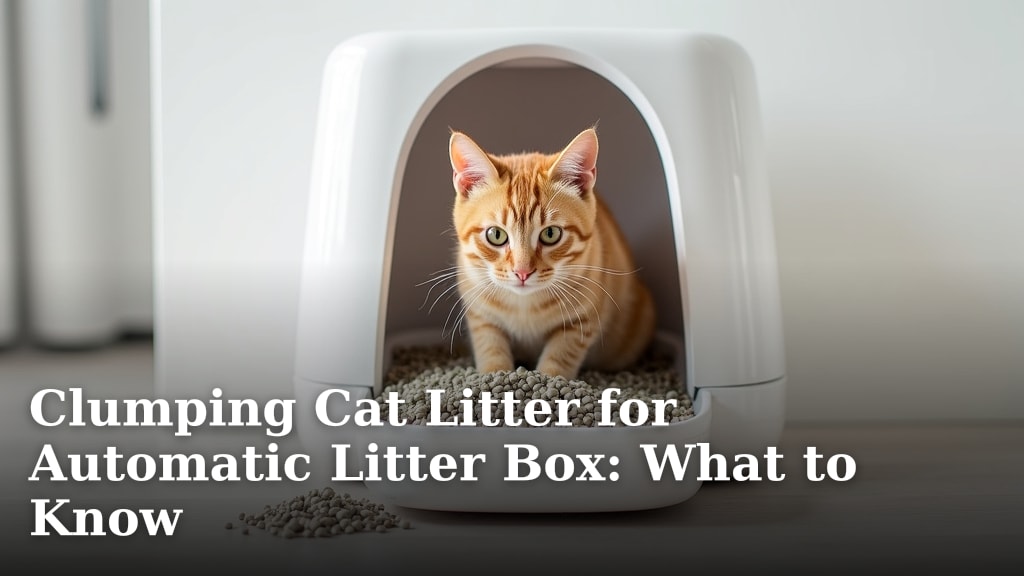
Yes, clumping cat litter is usually the best choice for automatic litter boxes. Most automatic litter boxes work by raking or scooping waste. Clumping litter forms solid waste balls that are easy for these machines to collect and remove. Non-clumping litter can break apart, causing clogs and making a mess.
When using clumping litter with an automatic box, look for low-dust formulas. Fine dust can be kicked up during operation. We also found that unscented varieties are often preferred by cats and are less likely to bother their sensitive noses. Checking your litter box’s manual for specific litter recommendations is always a good idea.
- Automatic boxes work best with clumping litter.
- Clumping litter forms easy-to-scoop waste balls.
- Low-dust and unscented litters are often ideal.
- Always check your litter box’s manual.
Let’s break down exactly what you need to know about choosing and using clumping cat litter for your automatic litter box.
Choosing the Right Clumping Litter for Your Robot Box
So, you’ve got yourself an automatic litter box. Great choice for you and your feline friend! Now comes the next big question: what kind of litter should you use? If you’re leaning towards clumping cat litter, you’re generally on the right track. But not all clumping litters are created equal, especially when it comes to these high-tech helpers.
Automatic litter boxes have moving parts. They rake, scoop, or sift waste. This means the litter needs to behave in a predictable way. Clumping litter forms solid clumps when wet. These clumps are usually easy for the machine to grab and deposit into a waste compartment. This keeps the litter bed clean for your cat. It also means less work for you. We found that selecting the right clumping litter can make a world of difference in how well your automatic box performs. Our guide explains how automatic litter boxes detect cats.
Why Clumping Litter is Usually Best
Think of it like this: you’re trying to pick up little marbles versus trying to pick up a pile of wet sand. Clumping litter creates those marbles, or at least something solid and scoopable. When your cat urinates, the litter binds together. This forms a solid clump that the scooping mechanism can easily isolate from the clean litter.
This is a huge advantage over non-clumping litters. Non-clumping litters, often clay-based or silica gel, don’t form these tight balls. They might just get mushy. If your automatic box tries to scoop mushy litter, it can smear. This creates a sticky mess on the rake or scoop. It can also clog the machinery. In short, clumping litter is usually your automatic box’s best friend. Many manufacturers recommend it for optimal performance.
What to Look For in Clumping Litter for Automatic Boxes
Okay, so clumping is good. But what else should you consider? We’ve done some digging, and a few key features stand out when you’re picking out litter for your automatic machine.
Low Dust is a Must
This is a big one. Automatic litter boxes move quite a bit. They scoop, they rake, they spin. If your litter is dusty, all that movement kicks up fine particles into the air. This isn’t just annoying for you; it can be tough on your cat’s respiratory system. We found that litters marketed as “low-dust” or “dust-free” are worth the extra look.
Fine dust can irritate your cat’s nose and lungs. It can also settle on surfaces around the litter box, making your home feel less clean. Many clumping litters are made from clay. Some clay litters can be naturally quite dusty. Look for brands that specifically state they have a low-dust formula. This often means they’ve processed the clay differently to remove finer particles. It’s a small detail that makes a big impact on air quality.
Unscented Varieties for Sensitive Noses
Cats have a much stronger sense of smell than we do. What smells like a pleasant “spring breeze” to you could be overwhelming to your cat. Many scented litters contain perfumes and deodorizers to mask odors. These can be quite strong. We found that many cats are actually turned off by heavily scented litters.
If your cat avoids the litter box, or if they have respiratory issues, unscented is often the way to go. Clumping litter itself does a good job of trapping odors once it forms a clump. If odor control is a major concern, focus on finding a clumping litter that is also highly absorbent. Baking soda is a natural odor absorber that many unscented litters include. This can help without adding artificial fragrances.
Clump Strength Matters
Not all clumping litters create the same type of clump. Some litters form very hard, solid clumps. Others might form softer, more fragile clumps. For an automatic litter box, you want the former. Strong clumps are less likely to break apart when the rake or scoop goes over them.
We researched this and found that litters made from bentonite clay often have excellent clumping ability. They are known for forming hard, compact clumps. Some crystal or silica gel litters also have clumping varieties, but their performance can vary. The goal is a clump that’s firm enough to be picked up whole, leaving clean litter behind. If you notice your machine struggling to collect waste or leaving behind bits of waste, the clump strength might be the issue.
Material: What is it Made Of?
The base material of your clumping litter affects its performance, weight, and environmental impact. Here’s a quick rundown of common clumping litter materials:
| Litter Material | Pros for Automatic Boxes | Cons for Automatic Boxes |
|---|---|---|
| Bentonite Clay | Excellent clumping ability, forms hard clumps, good odor control, readily available, often cost-effective. | Can be dusty, heavy, mining has environmental impact, not flushable. |
| Corn or Wheat-Based | Natural, often biodegradable, lighter than clay, good clumping if formulated well. | Can sometimes form softer clumps, may have a natural scent some cats dislike, potential for mold if stored improperly. |
| Walnut Shell or Other Plant-Based | Eco-friendly, lightweight, often dust-free, good odor control. | Clumping can vary by brand; some are not as strong as clay, can be more expensive. |
| Silica Gel (Clumping Variety) | Excellent odor control, very absorbent, lightweight, can last longer. | Clumping may not be as robust as clay, some cats dislike the texture, can be more expensive. |
When choosing, consider what’s most important to you. If clumping strength is king for your automatic box, bentonite clay is often a top contender. If you prioritize eco-friendliness and low dust, plant-based options are worth exploring. Always remember to check the manufacturer’s recommendations for your specific box.
Potential Litter Box Issues and How to Fix Them
Even with the right litter, things can sometimes go awry. Automatic litter boxes are clever, but they aren’t foolproof. Here are some common issues and how clumping litter choice can help.
Clogging and Smearing
This is the most common problem. It happens when the waste doesn’t form a clean clump. The rake or scoop then smears the wet waste. Why does this happen?
- Weak Clumps: The litter isn’t forming a tight enough ball.
- Too Much Litter: Overfilling the box can cause the rake to struggle.
- Infrequent Cleaning: If the waste sits too long, it can dry out oddly or get too saturated.
If you’re experiencing clogs, try a different brand of clumping litter known for its strong clumps. Ensure you’re not overfilling the litter bed. Some machines have settings for how much litter to leave in the box.
Litter Tracking
Cats can be messy creatures, no matter how clean their litter box is. Some litters are stickier than others. Larger litter granules can also get caught in paw fur more easily. We found that litter material and granule size play a role here.
For automatic boxes, very fine litters might get flung around more by the moving parts. Conversely, very large or irregularly shaped granules might be easier for your cat to track out. It’s often a balancing act. Many manufacturers suggest a medium-sized granule for general use. Some users find adding a litter-trapping mat outside the box helps immensely, regardless of the litter type.
Testing Different Litters: A Mini-Guide
Your cat is an individual. What works perfectly for one might not work for another. We’ve seen many users have success by trying a few different options. Here’s a practical approach:
- Start with the Recommended Litter: Check your automatic litter box manual. The manufacturer often suggests specific types or brands. Try these first.
- Look for Low Dust & Unscented: This is almost always a safe bet. Find a clumping litter that fits these criteria.
- Test for Clump Strength: After your cat uses the box, observe the clumps. Are they solid? Do they break apart easily?
- Monitor Your Cat’s Behavior: Is your cat using the box consistently? Are they digging normally? Are they showing any signs of distress?
- Consider Different Materials: If clay isn’t working, try a plant-based or corn-based clumping litter.
It might take a little trial and error. But finding the right clumping litter will make your automatic litter box experience much smoother. It ensures both you and your cat are happy.
Conclusion
You’ve learned that clumping cat litter is generally the best choice for your automatic litter box. It creates solid clumps that machines can easily scoop, preventing messes and clogs. Prioritizing low-dust and unscented formulas will make the experience better for both you and your cat. Remember to always check your litter box manual for specific recommendations. Your next step is to select a clumping litter that matches these criteria and observe your cat’s reaction. Finding the right fit ensures your automatic box runs smoothly and keeps everyone happy.
Frequently Asked Questions
Can I use scented clumping litter in my automatic box?
While some scented litters might work, it’s often best to stick with unscented options. Cats have sensitive noses, and strong perfumes can deter them from using the box. Unscented clumping litters still effectively trap odors once they form solid clumps.
What if my automatic litter box is still clumping and smearing with clumping litter?
If you’re experiencing clogging or smearing, your clumping litter might not be forming strong enough clumps. Try a different brand known for creating very firm, solid clumps. Also, ensure you aren’t overfilling the litter box, as this can sometimes overwhelm the scooping mechanism.
How often should I completely change the litter in my automatic box?
Even with clumping litter, you’ll need to do a full litter change periodically. Most automatic litter boxes recommend a full dump and refill every 2-4 weeks, depending on the number of cats and the litter capacity. Always refer to your specific model’s manual for guidance.
Is clumping litter bad for the environment?
Some clumping litters, especially those made from bentonite clay, can have a larger environmental footprint due to mining. However, there are eco-friendly clumping options available, such as those made from corn, wheat, or walnut shells, which are often biodegradable.
My cat is tracking litter everywhere. What can I do?
Litter tracking is common, even with automatic boxes. Consider using a litter with a slightly larger granule size, as these tend to stick less to paws. Placing a high-quality litter-trapping mat outside the box can also significantly reduce the amount of litter tracked around your home.