Unscented Non Clumping Cat Litter: What to Know
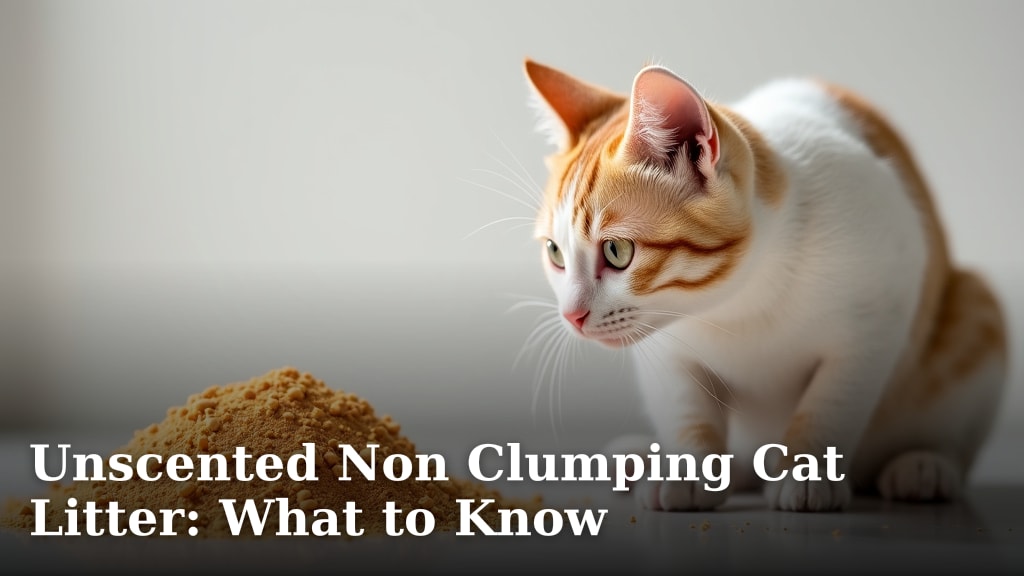
Unscented non-clumping cat litter is a type of cat litter designed to absorb urine without forming hard clumps. This means you scoop out solid waste only and replace the litter less often. It’s a good choice if you want a simpler cleaning routine and find scented litters irritating for your cat or yourself.
Many cat owners wonder if unscented non-clumping litter works as well as clumping varieties. Research and customer feedback suggest it offers effective odor control for many households. It can also be a more economical option over time, as you don’t need to discard as much litter with each cleaning.
- Unscented non-clumping litter absorbs wetness without forming clumps.
- You scoop only solid waste and replace litter less frequently.
- It’s a simpler, often more budget-friendly, cleaning option.
- Many users report good odor control with this type of litter.
We found that understanding the differences can help you pick the best litter for your home. Let’s break down what you need to know about unscented non-clumping cat litter.
Understanding Unscented, Non-Clumping Cat Litter
So, you’re curious about unscented non-clumping cat litter. It’s a straightforward choice for many cat parents. This type of litter focuses on basic absorption. It’s designed to soak up liquids rather than form solid masses. You’ll scoop out solid waste and then regularly replace the entire litter bed. Many people find this simplifies their cleaning routine. It can also be a good pick if your cat, or you, are sensitive to fragrances. We’ve found it’s often an economical choice too.
How Does Non-Clumping Litter Work?
The core idea behind non-clumping litter is simple absorption. When your cat urinates, the litter material soaks up the moisture. Think of it like a sponge. It holds the liquid within its particles. Unlike clumping litter, it doesn’t bind together into hard clumps. This means there’s no urine-soaked material to dig out. Instead, you’ll typically remove feces and then, over time, dump the entire box and refill it. This process is straightforward. You don’t have to worry about breaking apart soggy bits.
The Absorption Process Explained
Non-clumping litters are usually made from materials like clay, silica gel, or natural fibers. These substances have high absorbency. They pull moisture into their porous structure. Some types might use activated charcoal or baking soda to help with odor. However, the primary mechanism is just soaking up the liquid. This keeps the litter box surface drier between full changes. Research from various pet product studies suggests that the material itself is key to its absorbency. The finer the particles, often, the more surface area there is to absorb liquid.
Scooping and Changing: What to Expect
Your daily scooping will focus mainly on solid waste. You’ll remove any feces you see. For wet waste, it will be absorbed into the litter itself. This means you aren’t digging out clumps. You’ll likely need to stir the litter occasionally to help with drying and aeration. The litter box will need a complete change-out periodically. This usually happens every week or two, depending on the number of cats and the litter’s capacity. It’s a different kind of maintenance than clumping litter. Some find it easier.
Benefits of Going Unscented and Non-Clumping
Choosing unscented, non-clumping litter comes with several advantages. Many cat owners appreciate the lack of artificial fragrances. These scents can be overwhelming for cats and people. For pets with sensitive respiratory systems, unscented is often best. Non-clumping offers a simple, hands-off approach to daily scooping. Let’s look at why these features are appealing.
Why “Unscented” Matters for Your Cat
Cats have a much stronger sense of smell than humans do. Artificial scents in litter can be very off-putting to them. They might even avoid the litter box if the smell is too strong. This can lead to litter box avoidance issues. We found that many veterinary experts recommend unscented litter. This is especially true for cats who are sensitive or prone to urinary tract issues. Your cat’s natural scent is important to them. Overpowering perfumes can mask this. It can cause them stress.
Simplicity in Your Cleaning Routine
One of the biggest draws is the simplified cleaning. You’re not hunting for hidden clumps. Daily scooping is just about removing solids. This can make the chore feel faster. You might spend less time physically digging. Think of it like this: imagine trying to clean a wet sponge versus a dry one. The non-clumping litter stays more like the dry material until it’s fully saturated. This ease of maintenance is a key reason many choose it. It requires less daily effort for a basic clean.
Potential Cost Savings
While the initial bag price might seem similar, non-clumping litter can be more economical long-term. With clumping litter, you often have to top it off frequently. This is because some clumping litter gets scooped out accidentally with the clumps. Also, if clumps aren’t fully dried, they can create a mess you don’t want to leave. Non-clumping litter means you only remove solid waste daily. You aren’t losing as much litter to the trash. This means a bag might last longer. We found that this can add up to savings over time for many households.
What to Consider When Choosing Unscented Non-Clumping Litter
Not all unscented non-clumping litters are created equal. You’ll want to think about a few factors. Material, absorbency, and odor control are key. Also, consider how dusty it is. These details can make a big difference in your experience.
Material Types and Their Properties
Common materials include:
- Clay: This is a classic choice. Bentonite clay is very absorbent. It’s widely available and usually affordable. However, some clay litters can be dusty.
- Silica Gel: This looks like small crystals. It’s highly absorbent and excellent at trapping odors. It’s also very low in dust. However, it can be more expensive.
- Natural Materials: These include litters made from corn, wheat, wood, or paper. They are often biodegradable and can be a good eco-friendly option. Absorbency and odor control can vary.
Odor Control: Does It Really Work?
This is a common question. Unscented litter relies on the material’s absorbency and any added odor absorbers. Baking soda and activated charcoal are often included. These help neutralize smells. Many users report good odor control. However, this depends on the litter’s quality and your cat’s habits. If you have multiple cats or a cat who tends to have strong-smelling waste, you might need to stir more often or change the litter more frequently. We found that regular daily scooping is essential for managing odors with any litter type.
Dust Levels and Your Home Environment
Dust can be a nuisance. It can get on surfaces and be bad for your breathing. Many non-clumping litters, especially finer clay types, can be dusty. This can affect both you and your cat. If dust is a concern, look for litters marketed as “low-dust” or “dust-free.” Silica gel litters are typically very low in dust. If you notice dust, try pouring the litter slowly into the box. You can also place the box in a well-ventilated area.
Texture and Your Cat’s Preference
Cats can be picky about texture. Some prefer soft, sandy textures. Others don’t mind coarser grains. Since you aren’t dealing with clumps, texture might be less of an issue for scooping. However, your cat needs to feel comfortable using the box. If your cat suddenly avoids the litter box, consider the texture. Some cats dislike very large or sharp particles. It’s often a process of trial and error. We recommend getting a small bag to test first.
When Unscented Non-Clumping Litter Might Be Ideal
This litter type shines in a few specific scenarios. It’s perfect for budget-conscious shoppers. It’s great for simplifying chores. And it’s a strong contender for cats with sensitivities. If you’re looking for a no-frills, effective litter, this is worth a look.
Here’s a quick checklist to see if it’s right for you:
- You prefer a simple, no-fuss cleaning routine.
- Your cat is sensitive to fragrances.
- You want a potentially more budget-friendly option over time.
- You don’t mind a full litter box change every 1-2 weeks.
- Dust is a concern, and you’re looking for low-dust options.
- You have a good system for managing odor between full changes.
Conclusion
Choosing unscented non-clumping cat litter offers a straightforward and often budget-friendly path to a cleaner litter box. You’ve learned how its simple absorption method simplifies daily scooping to just solids, and how avoiding artificial scents benefits your cat’s well-being. While it requires full box changes more often, many owners find this trade-off worth it for ease and potential cost savings. If you’re looking for a practical, no-frills litter solution that respects your cat’s sensitive senses, this type is definitely worth trying in your home. Consider a small bag to test it out and see if it fits your routine.
Frequently Asked Questions
How often do I need to completely change unscented non-clumping litter?
Generally, you’ll want to do a full litter box change every one to two weeks. This frequency depends on how many cats you have and their individual habits. Regular daily scooping of solid waste helps extend the time between full changes.
Can unscented non-clumping litter control odor effectively?
Yes, many unscented non-clumping litters offer good odor control. They often rely on the absorbent material itself, sometimes with added baking soda or activated charcoal. Consistent daily scooping and occasional stirring can help manage smells between full changes.
Is unscented non-clumping litter better for cats with allergies or sensitivities?
Unscented litter is often recommended for cats with respiratory issues or sensitivities. Artificial fragrances in scented litters can be irritating. Choosing unscented helps ensure a more comfortable experience for your cat.
What is the main difference in cleaning compared to clumping litter?
With non-clumping litter, you scoop out solid waste and stir the litter to absorb liquids. You don’t dig out urine-soaked clumps. The entire box is dumped and refilled periodically, rather than just removing clumps daily.
Are there specific materials that are best for unscented non-clumping litter?
Common materials include clay, silica gel, and natural fibers like corn or wood. Clay is absorbent and affordable, silica gel is highly absorbent with low dust, and natural materials can be biodegradable. Your cat’s preference for texture and your priorities for dust control or eco-friendliness will guide your choice.