Clumping Mineral Cat Litter: A Simple Guide
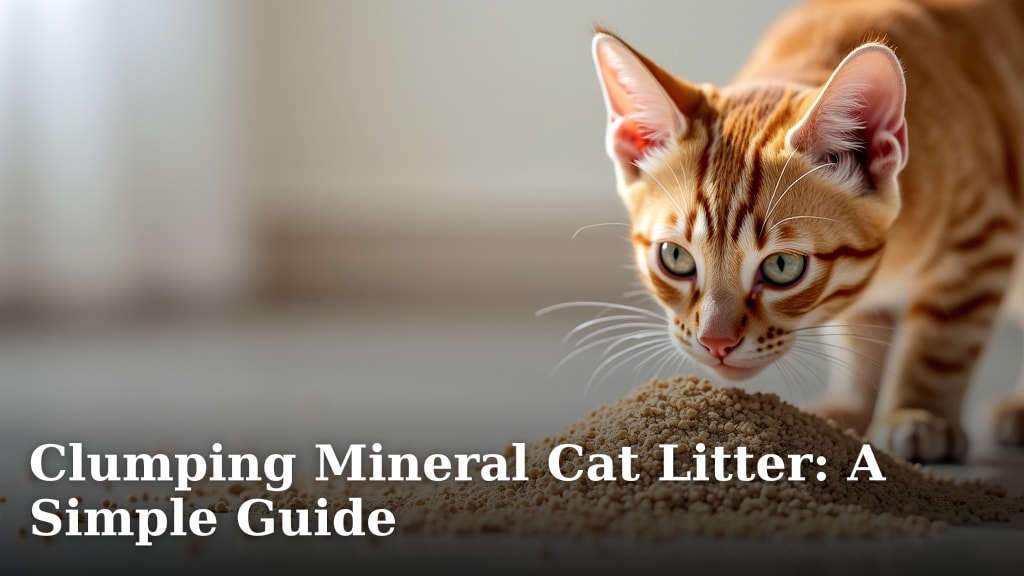
Clumping mineral cat litter is a type of cat litter made from natural clay that absorbs moisture and forms hard clumps. This makes it easy to scoop out waste, helping to **control odors** and keep your cat’s litter box cleaner. It’s a popular choice because it’s generally **dust-free** and effective.
Many cat owners choose clumping litter because it simplifies the daily chore of cleaning the litter box. The way it clumps helps to **contain messes** and makes maintenance much quicker. It’s a practical solution for busy pet parents.
- What it is: Natural clay litter that forms hard clumps.
- Key benefit: Easy to scoop and helps control odors.
- Why people like it: Simplifies litter box cleaning.
- Common feature: Often low in dust for a cleaner home.
We’ll walk you through what makes clumping mineral litter a favorite for so many households and what you can expect when you use it.
Understanding Your Clumping Mineral Cat Litter
You’ve picked out a bag of clumping mineral cat litter, and you’re wondering what makes it special. Essentially, this type of litter is made from specific types of natural clay. This clay has a fantastic ability to absorb liquids and then form hard, solid clumps. Think of it like a sponge that hardens when it gets wet. This clumping action is the key to why so many cat owners prefer it for their furry friends. It makes the chore of scooping the litter box much simpler and more efficient.
What Exactly Is Clumping Mineral Litter?
At its core, clumping mineral litter is crafted from natural clays like bentonite or sodium bentonite. These clays have a unique molecular structure. When they come into contact with moisture, they expand and bind together. This binding creates those solid clumps you see. It’s a natural process that works really well for containing your cat’s waste. This is why it’s such a popular choice for households with cats. It tackles a common pet owner challenge head-on.
How Does It Work So Well?
The magic is in the clay’s absorbency and binding properties. When your cat urinates in the litter box, the moisture is quickly drawn into the clay particles. These particles then swell and stick to each other, forming a compact clump. This process effectively seals in the liquid and the associated odors. The hardened clumps can then be easily scooped out. This leaves the rest of the litter clean and dry for your cat’s next use. It’s a straightforward system that really cuts down on smells.
The Science Behind the Scoop
The specific types of clay used, such as bentonite, are chosen for their high absorbency. Bentonite clay can absorb a significant amount of liquid relative to its weight. Research shows that bentonite’s unique geological formation allows it to trap moisture effectively (U.S. Geological Survey). This rapid absorption means less liquid can seep down to the bottom of the litter box. It helps prevent that unpleasant soggy layer from forming. Plus, the clumping action helps to trap odor molecules within the mass. This is why it’s often cited as being good for odor control.
Benefits You Can See (and Smell!)
Choosing clumping mineral litter brings several advantages to your home and your cat’s life. The most obvious is how much easier it makes cleaning. Gone are the days of trying to scoop up loose, messy litter. You’re essentially scooping out solid waste that’s neatly contained. This leads to a generally cleaner and more pleasant environment for everyone in the house. Your cat will likely appreciate a cleaner box too!
Odor Control That Really Works
One of the biggest selling points for clumping mineral litter is its **effectiveness in controlling odors**. The rapid clumping action traps moisture and waste quickly. This prevents smells from lingering in the air. Many brands also add activated charcoal or baking soda to further enhance odor absorption. These ingredients act like little sponges for smells, trapping them before they become noticeable. A study published in the Journal of Feline Medicine and Surgery highlighted that effective odor control is a primary concern for cat owners.
Keeping Your Home Cleaner
Beyond odor control, clumping litter helps maintain a cleaner litter box and, by extension, a cleaner home. Because the waste forms solid clumps, you can remove it all in one go. This means less tracking of litter around the house. Many clumping mineral litters are also formulated to be **low-dust**. This is a big win for people with allergies or those who want to avoid inhaling fine particles. Less dust means a cleaner home environment for both you and your cat.
Less Mess, Less Fuss
Imagine scooping a litter box where the waste is practically solid. That’s the reality with good clumping litter. You can just lift out the clumps and any solid waste. This makes the daily scooping process much faster. It also means you’re not disturbing as much of the clean litter. This can help the litter last a bit longer. It’s a simple change that can make a big difference in your daily routine.
What About Dust?
Some clumping litters can be dusty, which can be a problem for both you and your cat. Cats can inhale dust, and it can settle on surfaces in your home. Look for products specifically labeled as “low-dust” or “dust-free.” These are usually processed to remove very fine particles. This makes them a better choice for sensitive individuals or cats with respiratory issues. The U.S. Food and Drug Administration (FDA) does not have specific regulations for cat litter dust, but responsible manufacturers aim to minimize it.
Choosing the Right Clumping Mineral Litter for Your Cat
With so many options on the shelf, how do you pick the best clumping mineral litter? It’s not just about the brand name. Your cat’s preferences and your household needs play a big role. Some cats can be quite particular about their litter. What one cat loves, another might turn its nose up at. Consider texture, scent, and any added features.
Texture and Grain Size Matter
Cats often prefer a litter that feels natural under their paws. Many cats naturally gravitate towards fine-grained litters that resemble sand or soft soil. This is because their wild ancestors would have sought out such materials for burying waste. If a litter feels too coarse or unnatural, your cat might be reluctant to use it. This can lead to accidents outside the box. Many clumping mineral litters offer a variety of grain sizes, so you can experiment.
Scented vs. Unscented
This is a big one for cats. While you might think a scented litter is better for masking odors, many cats find artificial fragrances unpleasant. In fact, strong scents can be overwhelming for a cat’s sensitive nose. This can deter them from using the litter box. Most feline veterinarians and behaviorists recommend unscented litter. This allows the natural odor-controlling properties of the litter to do their job without overwhelming your cat. If you do prefer a scent, opt for very lightly scented or naturally scented options.
What About Added Features?
Some clumping mineral litters come with added features. These can include:
- Activated Charcoal: Excellent for absorbing odors.
- Baking Soda: Another natural odor absorber.
- Clumping Agents: Some litters have enhanced agents for even harder clumps.
- Paw-Friendly Formulas: Designed to be softer on paws.
Consider what’s important for your home and your cat. If odor is a major concern, a litter with activated charcoal might be a good choice. If you have a kitten or an older cat, a softer texture could be beneficial.
| Feature | Description | When It’s Good For You |
|---|---|---|
| Natural Clay Base | Made from bentonite or similar clays. | Effective clumping and odor control. |
| Hard Clumping | Forms solid, scoopable clumps. | Easy to clean, less waste. |
| Low Dust | Minimal fine particles. | Better for air quality and respiratory health. |
| Unscented Options | No added fragrances. | Preferred by most cats, less likely to cause avoidance. |
| Odor Control Additives | Like activated charcoal or baking soda. | Enhanced ability to trap smells. |
Maintaining Your Cat’s Litter Box
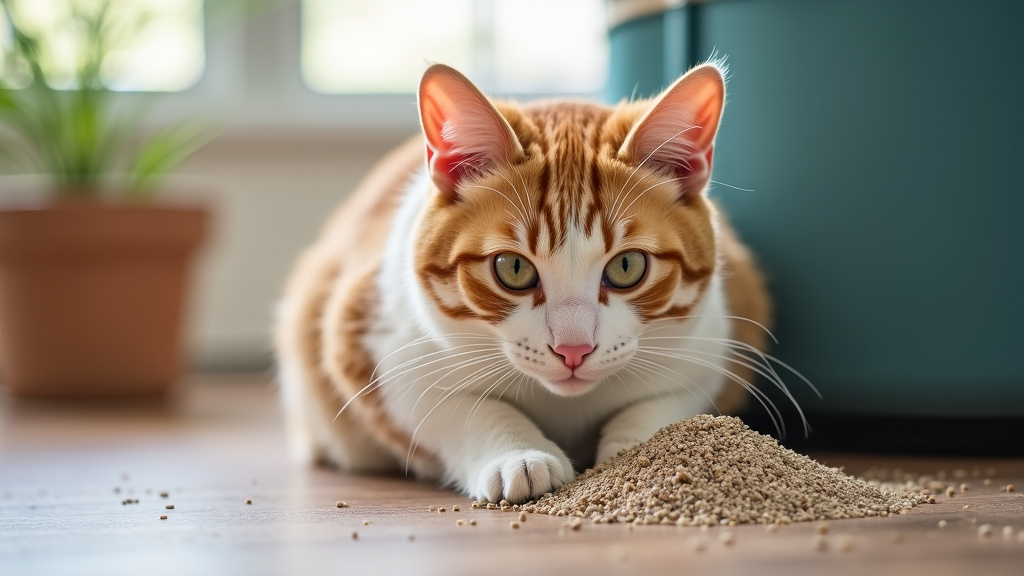
Using clumping mineral litter makes maintenance easier, but it still requires regular attention. A clean litter box is vital for your cat’s health and happiness. It can also prevent behavioral issues related to litter box avoidance. Think of it as a small investment for a lot of peace of mind.
The Daily Scoop: Why It’s Key
You should aim to scoop your cat’s litter box at least **once a day**, preferably twice. Removing those solid clumps promptly is the most effective way to manage odors and keep the box hygienic. If you have multiple cats, you might need to scoop even more frequently. The general rule of thumb is one litter box per cat, plus one extra. This reduces competition and ensures there’s always a clean spot available.
When to Do a Full Litter Change
Even with daily scooping, litter does not last forever. Over time, the non-clumped litter can become saturated with urine and still retain some odor. Most experts recommend a **full litter box change every 2 to 4 weeks**. This involves emptying the entire box, washing it with mild soap and water, and refilling it with fresh litter. This regular deep clean helps prevent the buildup of bacteria and keeps the box truly fresh.
A Simple Litter Box Refresh Checklist:
- Scoop out clumps and solid waste daily.
- Top off litter to maintain a depth of 2-3 inches.
- Check for any “misses” around the box edges.
- Empty, wash, and refill the litter box every 2-4 weeks.
- Use unscented mild soap and water for washing.
- Ensure the box is completely dry before adding fresh litter.
Conclusion
Clumping mineral cat litter offers a straightforward and effective solution for managing your cat’s litter box. Its ability to form hard clumps makes scooping easy and significantly helps control odors. You’ve learned how its natural clay composition works to trap moisture and smells, keeping your home cleaner and more pleasant. Remember to choose unscented options, especially if your cat is sensitive, and look for low-dust formulas for better air quality. By scooping daily and performing a full litter change every few weeks, you ensure a comfortable and hygienic environment for your feline friend. Start by picking up a bag of unscented, low-dust clumping mineral litter on your next shopping trip. If you’re curious about automating litter box cleaning, our guide to automatic cat litter boxes explains how they work.
Frequently Asked Questions
How often should I scoop clumping cat litter?
You should aim to scoop out solid waste and clumps from your cat’s litter box at least once a day. For households with multiple cats, or if your cat is particularly tidy, twice a day can further enhance odor control and cleanliness.
What is the best type of clumping mineral litter for cats with allergies?
For cats with allergies or respiratory sensitivities, it’s best to choose an unscented, low-dust clumping mineral litter. These formulas minimize the release of fine particles into the air, which can irritate your cat’s airways and your own.
Can I mix clumping mineral litter with non-clumping litter?
It’s generally not recommended to mix clumping and non-clumping litters. The clumping agents in mineral litter work best when they are not diluted. Mixing can reduce the effectiveness of clumping and odor control, and may lead to a messier litter box.
How do I properly dispose of used clumping cat litter?
Most clumping cat litter should not be flushed down the toilet, as it can cause plumbing issues. It’s best to scoop clumps into a designated waste bag or container and dispose of it with your regular household trash. Always check local regulations for pet waste disposal.
Why might my cat avoid a clumping litter box?
Cats may avoid a clumping litter box if it’s not kept clean, if the scent is too strong, or if the texture feels uncomfortable. Ensure the box is scooped daily, opt for unscented litters, and consider if a finer grain texture might be more appealing to your cat’s preferences.