Clay Litter vs Clumping Litter: A Simple Guide
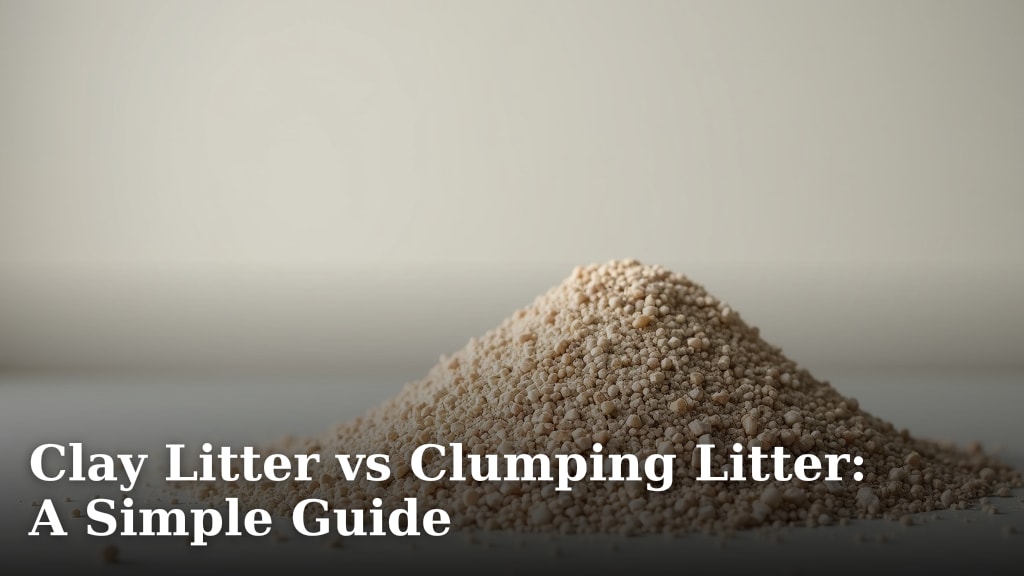
When choosing cat litter, understanding the difference between clay litter and clumping litter is key. Clumping litter is generally preferred by most cat owners because it makes scooping and cleaning much easier and more efficient, as it forms solid clumps. Clay litter, while a classic choice, typically doesn’t clump and requires a full litter box change more often.
Both litter types offer different benefits and drawbacks for your cat and your home. Factors like odor control, dust levels, and cost play a big role. We’ve researched what makes each type unique to help you make the best decision for your furry friend and your household.
- Clumping litter forms solid balls for easy scooping.
- Clay litter is a traditional, non-clumping option.
- Consider odor control, dust, and cost when choosing.
- Clumping litter often makes cleaning faster.
- Choose based on your cat’s preference and your cleaning routine.
Let’s dive into the specifics of each type to help you pick the perfect litter for your cat.
Choosing the right cat litter can feel like a big decision. You want something that works for your cat and also makes your life a little easier. Let’s break down the main types: the classic clay litter and the popular clumping variety. We’ll look at what makes them different and what to consider for your home.
Understanding Your Cat Litter Options
You’ve probably seen both clay and clumping cat litter on the shelves. While they might look similar at first glance, they behave very differently. This difference really impacts how you clean the litter box and how well it handles odors.
What is Clay Litter?
Think of clay litter as the original cat litter. It’s typically made from bentonite clay or other absorbent clays. Its main job is to soak up urine and trap odors. When you scoop, you’re usually removing solid waste, and the urine just stays in the litter, making it wet.
Because it doesn’t form clumps, you generally have to empty the entire litter box more often. We found that this can mean a lot of wasted litter and more frequent full cleanings. It’s a straightforward option, but it requires a different cleaning routine compared to clumping types.
What is Clumping Litter?
Clumping litter is designed to do something special. When it comes into contact with liquid, it binds together to form solid balls or clumps. This makes cleaning much simpler. You can just scoop out the solid waste and the urine clumps, leaving the clean litter behind.
Most clumping litters are also made from bentonite clay, but the clay is processed differently to allow for this clumping action. This feature is why many cat owners prefer it. It helps keep the litter box cleaner and can reduce the frequency of full litter box changes, saving you time and product.
Comparing Key Features: Clay vs. Clumping
When you’re standing in the pet aisle, what really sets these two litter types apart? Let’s compare them on the factors that matter most to you and your feline friend.
Ease of Cleaning and Maintenance
This is where clumping litter really shines. Scooping is straightforward. You can easily identify and remove the urine clumps along with solid waste. This means less liquid waste sitting in the box, which can help with odor control between full cleanings.
With non-clumping clay litter, urine soaks into the litter. This means you don’t get those easy-to-remove clumps. Cleaning often involves scraping wet litter from the bottom of the box and requires more frequent full litter box changes. We found that this method can be more labor-intensive.
Odor Control
Odor control is a big one for any cat owner. Both types of litter have ways of tackling smells. Clumping litter often forms a solid barrier around urine, trapping it within the clump. Many brands also add fragrances or odor neutralizers to further combat smells.
Non-clumping clay litter relies on its absorbent nature to soak up liquids and odors. Some varieties might also have added deodorizers. However, because urine isn’t contained in clumps, it can sometimes lead to a more pervasive dampness and smell if not cleaned very frequently. Many sources suggest that regular scooping is vital for odor control with any litter type (CDC).
Dust Levels
Dust can be a nuisance for both you and your cat. It can get tracked around the house and might irritate your cat’s respiratory system. We found that dust levels can vary widely between brands, not just between clay and clumping types.
Historically, some clay litters were known for being very dusty. However, many manufacturers now offer low-dust or dust-free formulas for both clumping and non-clumping varieties. When choosing, check the packaging for claims about dust control. If your cat or anyone in your home is sensitive to dust, look for those specific labels.
Cost Considerations
When it comes to budget, the initial price might seem different. Non-clumping clay litter can sometimes have a lower upfront cost per bag. This can make it appealing if you’re looking to save money immediately.
However, it’s important to consider the long-term cost. Because clumping litter allows you to scoop out waste more effectively, you often use less litter overall between full changes. This can make clumping litter more economical in the long run, even if the per-bag price is slightly higher. We found that many owners find clumping litter to be a better value for their money.
Cat Preferences and Health
Your cat’s comfort is paramount. Some cats can be quite particular about their litter. Texture is a big factor. Many cats are used to the feel of clay litter, so they might not need an adjustment period with it.
However, cats generally adapt well to clumping litter, especially if it’s introduced gradually. If your cat is hesitant, try mixing a small amount of the new clumping litter with their old litter. For cats with respiratory issues, a low-dust formula is highly recommended, regardless of whether it clumps or not. Always observe your cat for any signs of distress or avoidance.
Making Your Choice: What’s Best for You?
Deciding between clay and clumping litter really comes down to your priorities and your cat’s habits. Think about what’s most important in your daily routine and for your furry friend’s comfort.
When Clumping Litter Might Be Your Winner
If you value quick and easy cleanups, clumping litter is likely your best bet. The ability to scoop out solid urine clumps means less mess and potentially better odor control between full box changes. It’s also often seen as more economical over time due to less waste.
When Traditional Clay Litter Could Still Be a Good Fit
If your cat has always used and loved non-clumping clay litter, and you don’t mind a more frequent full litter box change, it can certainly work. It’s a simple, tried-and-true option that many cats are comfortable with. If budget is your absolute top concern and you don’t mind the extra cleaning effort, it might be the way to go.
A Practical Comparison Table
To help you visualize the differences, here’s a quick look:
| Feature | Clumping Litter | Non-Clumping Clay Litter |
|---|---|---|
| Scooping Ease | Forms solid clumps for easy removal. | Urine soaks in; no solid clumps. |
| Odor Control | Traps urine within clumps; often fragranced. | Absorbs urine; relies on absorbency and frequent scooping. |
| Cleaning Frequency | Spot clean daily; full change less often. | Spot clean daily; full change more often. |
| Dust Potential | Varies by brand; low-dust options available. | Varies by brand; low-dust options available. |
| Long-Term Cost | Often more economical due to less waste. | Can be cheaper upfront but potentially more waste. |
| Cat Acceptance | Generally well-accepted; some cats may need adjustment. | Many cats are accustomed to it. |
Your Litter Box Checklist
To make sure you’re getting the best setup, consider these points:
- Observe your cat: Do they show any preference?
- Odor concerns: How important is odor control for your home?
- Cleaning routine: How much time can you dedicate to scooping?
- Dust sensitivity: Does anyone in the house have allergies?
- Budget: What’s your long-term cost consideration?
- Litter box size: Is it large enough for your cat to turn around comfortably?
By thinking through these questions, you’ll be well on your way to choosing the right litter. Remember, your cat’s comfort and your own satisfaction are the main goals.
Conclusion
You now understand the key differences between traditional clay litter and modern clumping litter. Clumping litter generally offers easier scooping and potentially better odor control, often making it a more time-efficient choice for busy households. Traditional clay litter remains a simple, comfortable option for many cats, though it requires more frequent full changes. Your final decision should balance your cat’s preferences, your cleaning routine, and your home’s needs. Start by observing your cat’s behavior and consider a low-dust option if sensitivity is a concern. You now understand the key differences between traditional clay litter and modern clumping litter; consider how automatic litter boxes might fit into your cleaning routine.
Frequently Asked Questions
How often should I completely change clumping litter vs. clay litter?
With clumping litter, you can typically wait longer between full changes because you’re removing most of the waste daily. A full litter box change might be needed every 2-4 weeks. For non-clumping clay litter, urine saturates the litter, so a full change is often recommended every 1-2 weeks to manage moisture and odors effectively.
Is clumping litter better for odor control than clay litter?
Clumping litter often provides better odor control because it traps urine in solid clumps, preventing it from spreading through the rest of the litter. While clay litter absorbs odors, it can become saturated faster. Both types benefit greatly from daily scooping, but the solid waste removal with clumping litter usually keeps smells more contained between full cleanings.
Can I mix clumping litter with traditional clay litter?
Yes, you can mix them, especially if you’re trying to transition your cat to clumping litter. Start by adding a small amount of clumping litter to their familiar clay litter. Gradually increase the proportion of clumping litter over time as your cat gets used to the texture and behavior. This can help avoid startling your cat with a sudden change.
Does one type of litter track more than the other?
Litter tracking can depend more on the size and shape of the litter granules than whether it clumps or not. Both clumping and non-clumping clay litters can be dusty or track. Many brands offer large-crystal or low-tracking formulas in both categories. You might consider a litter mat outside the box to catch stray granules.
What if my cat refuses to use clumping litter?
If your cat shows resistance to clumping litter, it’s important to be patient. Ensure the litter box is clean and the litter is low-dust. Try the gradual mixing method mentioned above. Some cats are simply set in their ways; if the transition is too stressful for your cat, returning to their preferred traditional clay litter might be the best solution for their well-being.