Crystal Litter vs Clay Litter: A Simple Guide
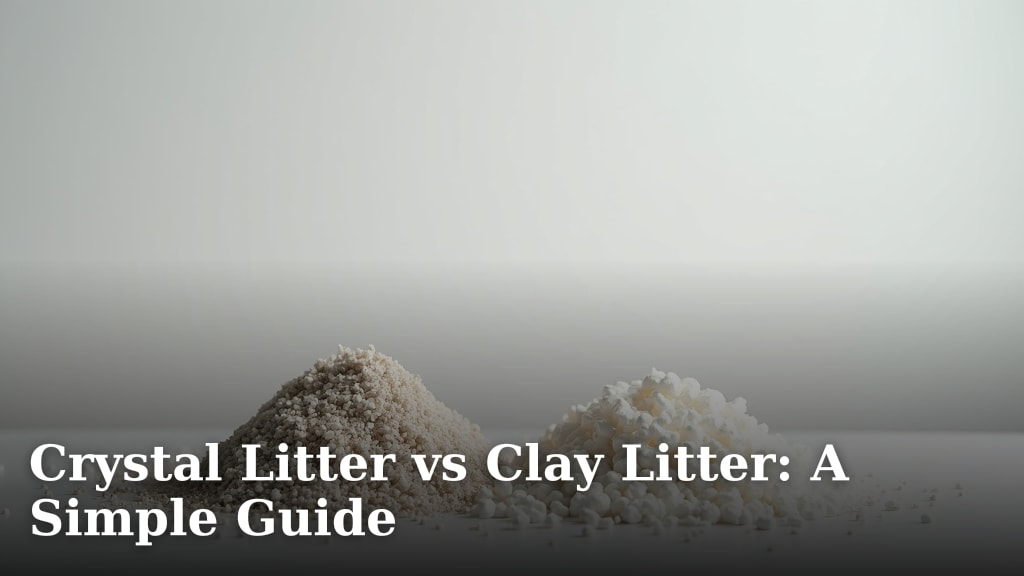
When choosing between crystal litter and clay litter, crystal litter is often preferred for its superior odor control and dust-free nature. Clay litter is more budget-friendly and readily available. Both have their pros and cons for your feline friend’s needs.
Many cat owners are looking for the best way to manage their cat’s litter box. This decision impacts odor, cleanliness, and your cat’s comfort. We’ve researched the main differences between these two popular litter types to help you decide.
- Crystal litter excels at trapping odors and reducing dust.
- Clay litter is a more economical choice for daily use.
- Both require regular scooping for best performance.
- Consider your cat’s preferences and your budget.
Let’s break down the key differences between crystal and clay litter to help you make the best choice for your home and your cat. If you’re curious about how they work, our guide to automatic cat litter boxes explains the technology.
Comparing Cat Litter: Crystal vs. Clay
Deciding between crystal and clay cat litter can feel like a big choice. Both have been around for a long time. We’ve researched their key differences to help you understand which might work best for your home and your cat.
What is Crystal Litter?
Crystal litter, also known as silica gel litter, is made from small silica gel beads. These beads are highly porous. This means they can absorb a lot of liquid. They work by trapping moisture within the beads themselves. This helps to reduce odors. Crystal litter is often praised for being lightweight and dust-free.
How Crystal Litter Works
The silica gel beads in crystal litter are designed to absorb urine. As your cat uses the litter box, liquid is drawn into the beads. This process leaves the surface of the litter relatively dry. The odor is also contained within the beads. This means less smell escapes into your home. Many cat owners find this makes a big difference.
The Benefits of Crystal Litter
One of the biggest advantages of crystal litter is its odor control. The silica gel effectively locks away smells. We found that many users report a significant reduction in litter box odors. It’s also often marketed as being dust-free. This can be a huge plus if you or your cat suffer from allergies or respiratory issues. Less dust means a cleaner home and a healthier environment for everyone. Crystal litter can also be longer-lasting than traditional clay litters. Because it absorbs so much liquid, you might find yourself scooping less often. This can make it more convenient for busy households.
Potential Downsides of Crystal Litter
While crystal litter has many benefits, there are a few drawbacks to consider. The upfront cost of crystal litter is typically higher than clay litter. This can be a factor for budget-conscious shoppers. Some cats may not like the feel of the silica gel beads under their paws. They can be a bit harder or sharper than clay granules. This might lead to some cats avoiding the litter box. While it’s low dust, some very fine silica dust can still be present during manufacturing or pouring. It’s important to handle it carefully. Disposal can also be a consideration. Silica gel is not biodegradable. This means it’s not the most environmentally friendly option.
What is Clay Litter?
Clay litter is the traditional choice for many cat owners. It’s made from bentonite clay or other types of clay. This clay is absorbent. It works by clumping together when it gets wet. This makes it easy to scoop out soiled portions of the litter. Clay litter is widely available and usually the most affordable option.
How Clay Litter Works
When liquid hits clay litter, it absorbs the moisture. If it’s clumping clay, it will form a hard mass. This mass is easy to remove with a litter scoop. Non-clumping clay litter absorbs liquid and holds it within the litter bed. This type requires you to scoop out wet clumps and solid waste. It also means you’ll need to change the entire litter box more frequently. Many experts say regular scooping is key to managing odor with any type of litter (American Veterinary Medical Association).
The Advantages of Clay Litter
The main draw for clay litter is its cost-effectiveness. It’s generally the cheapest option available. You can find it at almost any grocery store or pet supply shop. This makes it very accessible. Many cats are used to the texture of clay litter. They often adapt to it without any fuss. If your cat is particular about their litter, clay can be a safe bet. The clumping varieties make for relatively easy cleanup. You can remove the waste quickly. This helps maintain a cleaner litter box between full changes.
The Disadvantages of Clay Litter
Clay litter can be quite dusty. When you pour it or scoop it, you might notice a cloud of dust. This dust can settle on surfaces in your home. It can also be inhaled by you and your cat. This might cause issues for those with allergies or asthma. Odor control can be a challenge with clay litter. While clumping varieties help, the smell can still escape. You may need to scoop more frequently. Some clay litters contain added fragrances to mask odors. These can be overpowering for some cats and people. Clay litter can also be heavy. Lugging bags of clay litter home can be a workout. It is also not biodegradable and can be an environmental concern.
Comparing Key Features: Crystal vs. Clay
Let’s break down how these two litter types stack up against each other. This can help you see the differences clearly.
| Feature | Crystal Litter | Clay Litter |
|---|---|---|
| Absorption | Excellent, traps liquid and odor within silica beads. | Good to Very Good, absorbs liquid and clumps (for clumping types). |
| Odor Control | Superior, silica gel locks away smells effectively. | Fair to Good, can struggle with strong odors; clumping helps. |
| Dust Level | Very Low, often considered dust-free. | Moderate to High, can create significant dust. |
| Weight | Lightweight. | Heavy. |
| Cost (Upfront) | Higher. | Lower. |
| Cat Acceptance | Varies; some cats dislike texture. | Generally High; familiar texture. |
| Environmental Impact | Not biodegradable. | Not biodegradable; mining can have impact. |
What About Your Cat’s Preferences?
Your cat’s comfort is really important. Some cats are very sensitive to litter texture. We found that research indicates cats may avoid litter boxes that feel uncomfortable underfoot (Journal of Feline Medicine and Surgery). If your cat is used to the soft, granular feel of clay, they might be hesitant with the harder silica beads. On the other hand, some cats don’t mind the change. You might need to try a small amount first to see how your cat reacts. If you switch, consider mixing the new litter with the old for a week.
Managing Maintenance and Cleanliness
Both types of litter require regular maintenance. You’ll need to scoop solid waste daily. You should also stir the litter. For crystal litter, you’ll remove soiled beads and stir the remaining ones. For clumping clay, you’ll remove the clumps and solid waste. Non-clumping clay requires more frequent full changes. Many cat care guides recommend a full litter box change every 1-4 weeks, depending on the litter type and usage (Cornell Feline Health Center). Crystal litter might last longer between full changes because of its high absorbency.
Making the Final Choice for Your Home
Choosing the right litter depends on your priorities. Are you looking for the best odor control and minimal dust? Crystal litter might be your best bet. It can make your home feel fresher. If budget is your primary concern and your cat likes traditional textures, clay litter is a solid choice.
A Quick Checklist for Your Decision
Consider these points as you make your choice:
- Your Budget: How much do you want to spend on litter?
- Odor Control Needs: How sensitive are you to litter box smells?
- Dust Concerns: Do you or your cat have allergies or breathing issues?
- Your Cat’s Habits: Does your cat have sensitive paws or known preferences?
- Ease of Cleaning: How much time do you have for litter box maintenance?
- Environmental Impact: Are you looking for more eco-friendly options?
By thinking through these factors, you can confidently choose the litter that best suits your feline friend and your lifestyle. Remember, sometimes the best approach is to test a small amount of a new litter type to see how your cat responds.
Conclusion
Deciding between crystal and clay litter boils down to your top priorities. If superior odor control and minimal dust are what you need, crystal litter is a strong contender for a fresher home. For budget-conscious shoppers and cats who prefer a familiar feel, clay litter remains a reliable, accessible choice. Remember, your cat’s comfort is key. You might consider a small test run with new litter. By matching the litter type to your budget, your cat’s preferences, and your household’s needs, you can confidently make the best choice for a cleaner, happier home.
Frequently Asked Questions
Is crystal litter better for cats with allergies?
Yes, crystal litter is often recommended for cats with allergies or respiratory issues. It produces significantly less dust than clay litter. This reduction in airborne particles can make breathing easier for both your cat and you.
How often should I scoop crystal litter compared to clay litter?
You should scoop solid waste daily from both types. Crystal litter generally absorbs liquids more efficiently, meaning you might scoop fewer wet spots. However, you will still need to remove any visible clumps or solid waste daily from both.
Will my cat accept crystal litter if they’re used to clay?
Some cats may need time to adjust to the texture of crystal litter. It feels different under their paws compared to soft clay granules. Consider mixing a small amount of crystal litter with their current clay litter for a week to help them adapt.
How do I dispose of crystal litter?
Dispose of used crystal litter according to your local waste management guidelines. Since silica gel is not biodegradable, it’s not typically compostable. Check with your local authorities or pet supply store for advice on responsible disposal.
Is clay litter dusty?
Yes, clay litter can be quite dusty. When you pour or scoop it, a cloud of dust can be released into the air. This can be a concern for people or pets with allergies or asthma. Some brands offer “low-dust” clay litter options.