Automated Litter Box for Cats: Explained
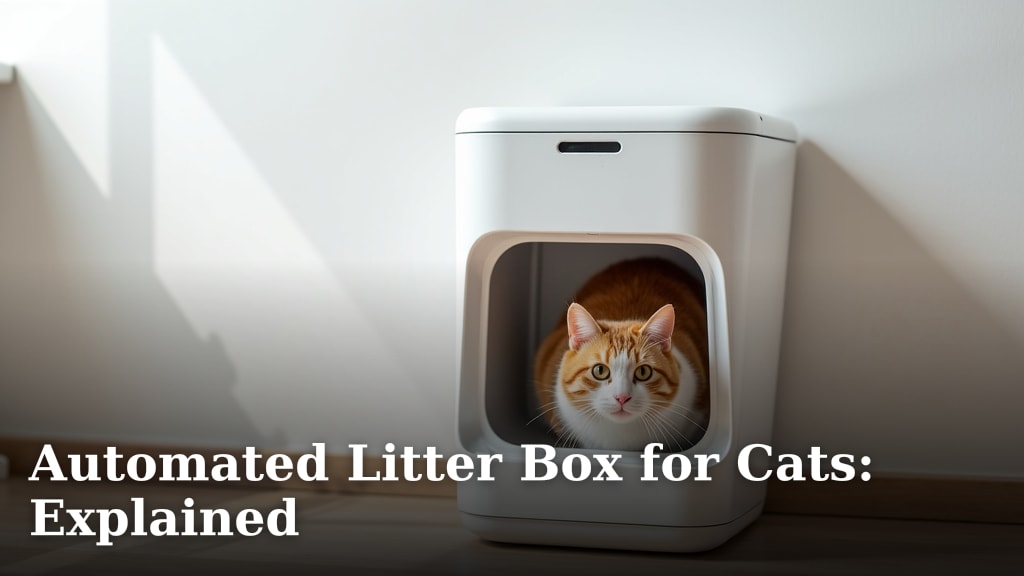
An automated litter box is a self-cleaning device designed to scoop waste for your cat. It offers a hands-off solution to a common pet owner chore, reducing how often you have to manually clean the litter pan. This can save you time and help manage odor.
These smart devices use various mechanisms, like rakes or rotating drums, to separate waste from clean litter. Many models are designed to be odor-controlling and can even connect to your smartphone for notifications. They aim to provide a cleaner environment for your cat and a more convenient experience for you. Many owners find them a Discover how automatic litter boxes know when your cat has left.great help.
- Automated litter boxes clean themselves.
- They use rakes or rotating drums to scoop waste.
- They can help control odors.
- Some connect to your phone for alerts.
- They save you time on daily scooping.
Let’s break down what automated litter boxes are and how they can fit into your home and your cat’s life.
Understanding Automatic Cat Litter Boxes
So, you’re curious about those self-cleaning cat litter boxes? You’re not alone! These gadgets promise to take the daily chore of scooping off your plate. They use clever mechanics to remove waste automatically. This means less scooping for you and a cleaner box for your feline friend. Many owners find them a big time-saver.
How Does a Self-Scooping Litter Box Work?
The main idea behind these boxes is simple: separate waste from clean litter. Most models do this in one of two main ways. Some use a raking mechanism. Others use a rotating drum. Both aim to do the scooping for you, often after your cat has finished its business.
The Rake System
Think of a rake like the ones you use in your garden, but much smaller. After your cat leaves the box, a mechanical rake moves through the litter. It collects clumps of waste and deposits them into a separate compartment. This compartment is usually a disposable bag or a sealed bin. The rake then returns to its starting position. This process happens automatically after a set time or when a sensor detects your cat has left.
The Rotating Drum System
Other automatic boxes use a drum that slowly rotates. The litter inside the drum is lifted and sifted. As the drum turns, waste is caught in a screen or a similar mechanism. This waste then falls into a collection tray or bag. Clean litter falls back into the drum. This cycle also typically runs after your cat has used the box.
What Kind of Litter Do You Need?
You can’t just use any old cat litter. Most automatic litter boxes work best with clumping clay litter. This type of litter forms solid clumps when it gets wet. These clumps are easier for the rake or drum to pick up. If you use non-clumping litter, the waste will just fall through the sieve. This means the box won’t really clean itself effectively. Always check the manufacturer’s recommendations for the best results.
Are They Worth the Investment?
These boxes can cost more upfront than a traditional litter pan. However, many owners find the convenience factor well worth the price. You save time on daily scooping. This can be especially helpful for busy households or people with mobility issues. Plus, a cleaner litter box can lead to a happier cat. Some studies suggest cats prefer a clean litter box and may have fewer accidents outside the box (ASPCA).
Benefits of Using an Automated Litter Box
Switching to an automatic litter box can bring several advantages to your home. These range from improved hygiene to a more pleasant living environment for both you and your cat. Let’s look at some of the key perks.
Reduced Odor
This is often the biggest selling point. Automatic boxes tend to have better odor control than manual ones. Why? Because they scoop waste more frequently. The waste is also usually deposited into a sealed compartment. This traps smells, preventing them from filling your home. Many models also have carbon filters or other odor-neutralizing features.
Improved Hygiene
A consistently clean litter box is better for everyone. With an automatic system, your cat always has a fresh surface to use. This can reduce the spread of bacteria. For you, it means less direct contact with waste. This can be a significant benefit for people who are sensitive to smells or concerned about hygiene. Research shows that cats can be picky about their litter box conditions (Journal of Feline Medicine and Surgery).
Convenience and Time Savings
Let’s be honest, nobody particularly enjoys scooping a litter box. An automatic box drastically cuts down on this daily chore. Instead of scooping every day, you might only need to empty the waste compartment once a week or so. This frees up your time for other things, like playing with your cat or just relaxing. It’s a real stress reducer for many pet parents.
Ideal for Multiple Cats
If you have more than one cat, an automatic litter box can be a lifesaver. Cats are sometimes reluctant to share a litter box. This can lead to territorial disputes or house-soiling issues. An automatic box ensures there’s always a clean spot available for each cat. This can help maintain peace and cleanliness in a multi-cat household.
Smart Features and Connectivity
Some of the more advanced models come with smart technology. You might be able to connect the litter box to your smartphone via an app. This can send you notifications when the waste drawer is full. Some even track your cat’s litter box habits. This data could potentially help you monitor your cat’s health. Changes in bathroom habits can sometimes be an early sign of health problems.
Things to Consider Before Buying
While automatic litter boxes offer many advantages, they aren’t for every household. It’s wise to think through a few things before making a purchase. Your cat’s personality and your home environment play a big role.
Your Cat’s Acceptance
Not all cats take to new things easily. Some cats are very particular about their litter boxes. They might be spooked by the noise or movement of an automatic box. It’s important to introduce the new box slowly and patiently. Some cats may never fully adapt. Watch your cat’s behavior closely. If they seem stressed, an automatic box might not be the best fit for them.
Size and Space Requirements
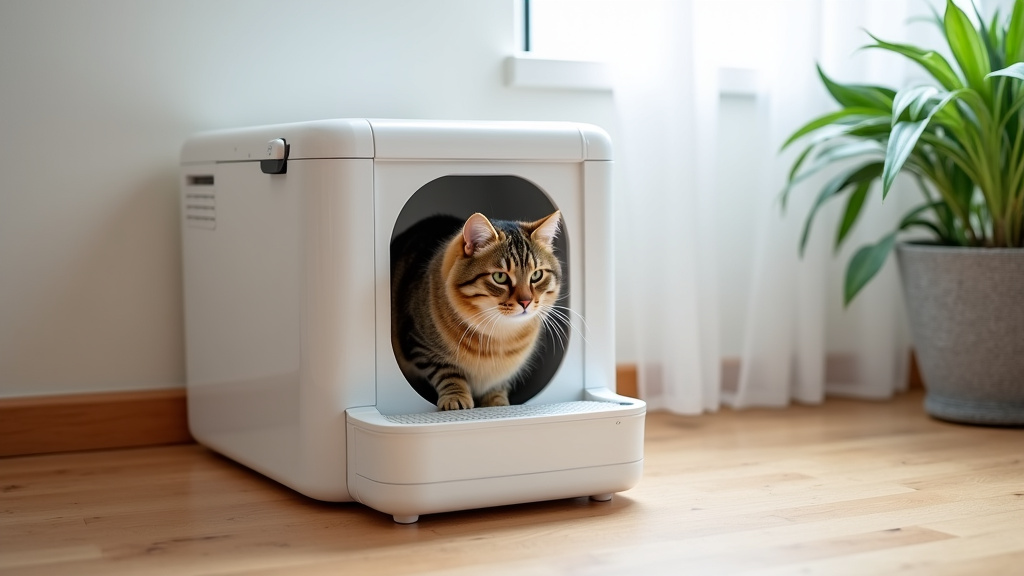
These units are often larger and heavier than traditional litter pans. You’ll need to make sure you have enough space for it. Also, consider the size of the box itself. Is it big enough for your cat? Some models are designed for smaller cats. Larger breeds might feel cramped. Always check the dimensions to ensure it’s suitable for your pet.
Maintenance and Cleaning
While they reduce daily scooping, automatic litter boxes still require regular maintenance. You’ll need to clean the internal mechanisms periodically. This prevents waste buildup and keeps the machine running smoothly. You’ll also need to change out the waste bags or empty the collection bin. It’s not a “set it and forget it” solution, but it’s far less work than daily scooping.
Cost and Ongoing Expenses
The initial purchase price can be quite high. Beyond that, you might have ongoing costs. These could include special waste bags, filters, or proprietary litter if required by the model. Compare these costs to what you spend on traditional litter and liners. Do the math to see if it makes financial sense for you long-term.
Noise Level
The scooping mechanism makes noise. While many are designed to be quiet, some cats can be sensitive to sounds. Place the box in a location where the noise won’t overly disturb your cat or your household. Testing the sound yourself is a good idea.
Power Source
These boxes require electricity to operate. You’ll need to place the box near a power outlet. Consider potential power outages. Some units have battery backup, but many do not. This is something to keep in mind if you live in an area prone to power interruptions.
Here’s a quick checklist to help you decide:
- Is your cat adventurous or cautious?
- Do you have enough space for a larger unit?
- Are you prepared for periodic deep cleaning?
- Can you afford the upfront and ongoing costs?
- Will the noise bother your cat or household?
- Is a power outlet easily accessible near the desired location?
Conclusion
An automated litter box can truly simplify your cat care routine. You’ve learned how these self-cleaning devices work, from rakes to rotating drums. They offer great benefits like reduced odor, improved hygiene, and significant time savings. Remember to consider your cat’s personality and your home’s space and power access before purchasing. Weigh the upfront cost against the ongoing convenience. By carefully assessing your needs and your cat’s comfort, you can decide if an automated litter box is the right fit for your household.
Frequently Asked Questions
Will my cat actually use an automated litter box?
Most cats adapt well, especially if introduced slowly. Some cats can be hesitant due to the noise or new environment. Observe your cat’s behavior. If they show signs of stress, an automatic box might not be the best choice for them.
How often do I need to empty the waste drawer?
This depends on the model and how many cats you have. Typically, you’ll empty the waste compartment every few days to once a week. This is much less frequent than daily scooping.
Can I use any type of cat litter with an automatic box?
No, most automatic litter boxes require clumping clay litter. This is because the mechanism needs the litter to form solid clumps to scoop waste effectively. Always check the manufacturer’s guidelines for recommended litter types.
Are automated litter boxes noisy?
They do make some noise when the cleaning cycle runs. The sound is usually comparable to a fan or a quiet appliance. Some cats may be sensitive to the noise, so placement in a less central area can help.
What happens if the power goes out?
Most automated litter boxes need electricity to function. If the power goes out, the self-cleaning feature will stop working. Some newer models may offer a battery backup, but this is not standard across all devices.