What is a Self Cleaning Litter Box Timer Setting?
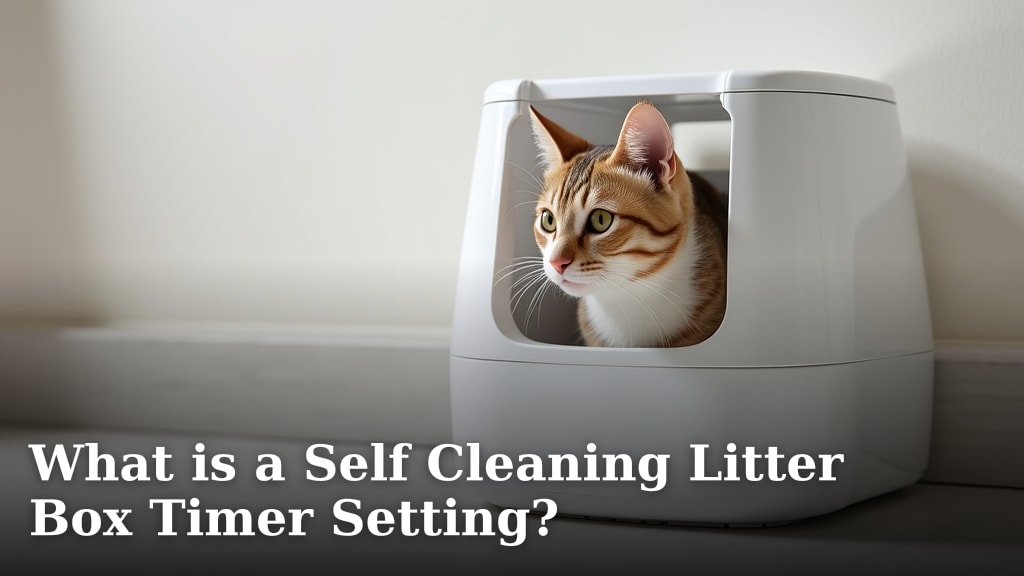
A self-cleaning litter box timer setting is how often your automatic litter box will cycle to clean itself. Most timers let you choose between different intervals, like every 10, 20, or 30 minutes after your cat uses it. This setting helps manage odors and keeps the box fresh for your feline friend.
Setting the timer correctly is important for both your cat’s comfort and your home’s cleanliness. You want to find a balance that prevents waste from building up without startling your cat. We found that many cats prefer a shorter wait time for cleaning. Getting this right means a happier cat and a fresher home.
- What it is: When the litter box cleans itself.
- How it works: Set intervals after your cat leaves.
- Why it matters: Controls odor and keeps it clean.
- Key factors: Cat’s preference and how often they go.
Let’s walk through what these timer settings mean and how to pick the best one for your household.
Understanding Your Self-Cleaning Litter Box Timer Settings
The timer setting on your self-cleaning litter box determines when it performs its cleaning cycle. Think of it as the box’s schedule. It’s not just a random button push; it’s a thoughtful delay designed for your cat’s comfort and your home’s cleanliness.
How the Timer Works
When your cat finishes using the litter box, a sensor detects their departure. The timer then starts its countdown. Once the set time has passed, the box initiates its rake or scooping mechanism. This action removes solid waste and deposits it into a sealed compartment.
The Importance of the Delay
This waiting period is critical. Cats are sensitive creatures. They often don’t like sudden movements or loud noises when they’re in the bathroom. A short delay gives them a chance to leave the area completely. It also allows the litter to clump properly, making the cleaning process more effective.
Choosing the Right Interval: What Research Suggests
Finding the ideal timer setting involves a bit of observation. We looked at what works best for many cat owners. Many experts suggest starting with a longer delay and gradually shortening it. This helps your cat adjust to the box’s behavior.
We found that most cats appreciate a cleaning cycle that happens after they’ve had ample time to leave. A common starting point for many is around 15 to 30 minutes. This gives them space and prevents them from being startled.
Some models offer very short intervals, like 5 or 10 minutes. While this might seem efficient for odor control, it can be too soon for some cats. Imagine eating dinner and then having the dishes immediately scraped clean while you’re still at the table – not ideal, right?
Observing Your Cat’s Behavior
The best indicator is your cat. Do they seem nervous when the box cycles? Do they avoid it? If so, you might need to increase the delay time. On the other hand, if you notice waste building up or the box isn’t getting cleaned efficiently, a shorter interval could be better.
We found that cats who are new to automatic litter boxes often benefit from a longer initial delay. This helps them build confidence with the device. As they get used to it, you can try reducing the time.
Common Timer Settings and What They Mean
Most self-cleaning litter boxes come with a few pre-set timer options. You’ll usually see choices like:
- 10 Minutes: This is a fairly short interval. It’s good for homes with multiple cats or if odor control is a top priority. However, ensure your cat is completely out of the vicinity.
- 20 Minutes: A moderate delay that works well for many households. It balances freshness with giving your cat enough time.
- 30 Minutes: A longer delay, often recommended as a starting point. It provides a good buffer zone for your cat.
- Manual Clean: Some boxes allow you to trigger a clean cycle on demand. This is useful if you want complete control.
Comparing Interval Options
The choice often boils down to your specific situation. Here’s a simple comparison:
| Timer Setting | Best For | Considerations |
|---|---|---|
| 10 Minutes | Busy households, multiple cats, strong odor concerns | May startle sensitive cats; ensure adequate litter depth |
| 20 Minutes | Most single-cat households, good balance of cleanliness and comfort | Observe cat’s reaction; adjust if needed |
| 30 Minutes | New users (cats or humans), sensitive cats, initial setup | Waste may sit longer; ensure good clumping litter |
Factors Influencing Your Timer Choice
Several things can influence the best timer setting for your home. It’s not a one-size-fits-all situation. Let’s break down the key considerations.
Number of Cats Using the Box
If you have multiple cats, the box will likely be used more frequently. A shorter delay, like 10 or 20 minutes, might be necessary to keep up with the demand. We found that in multi-cat homes, efficient waste removal is key to preventing territorial disputes or litter box aversion (CDC).
Imagine one cat using the box, then another immediately after. If the box only cleans after 30 minutes, the second cat might encounter waste. This can lead to them seeking alternative, less desirable places to do their business.
Your Cat’s Personality and Habits
Is your cat skittish or bold? Do they rush out of the box the second they are done, or do they linger? Some cats will bolt from the box and not look back. Others might want to ensure their business is completely covered before leaving.
We found that anxious or easily startled cats often do best with longer delay settings. A 30-minute interval can feel much safer for them. Conversely, a very independent and unfazed cat might not mind a 10-minute cycle.
Type of Litter Used
The clumping ability of your litter matters. If you use a high-quality clumping litter, waste will form solid masses that are easy for the rake to scoop. This means even a shorter delay can work effectively because the waste is neatly contained.
However, if your litter is slow to clump, you might need a longer delay. This allows more time for the clumps to solidify. We found that using the litter recommended by the box manufacturer often yields the best results (NCBI).
Odor Control Needs
If odor is a major concern for you, a shorter timer setting will activate the cleaning cycle more frequently. This means waste is removed and sealed away faster, reducing the chance of smells escaping.
For example, a 10-minute setting will clean the box up to six times in an hour, assuming frequent use. A 30-minute setting would only clean it twice in that same hour. So, more frequent cleaning equals better odor control, provided your cat is comfortable with it.
Tips for Setting and Adjusting Your Timer
Getting the timer just right might take a little patience. Here are some practical tips to help you find the sweet spot.
Start with a Longer Delay
As mentioned, it’s always best to start with the longest available setting, usually 20 or 30 minutes. This gives you a safe buffer. Let your cat get accustomed to the box’s operation from a distance.
Observe and Document
Keep a mental note, or even a small log, of your cat’s behavior. Do they run away when it cleans? Do they look uneasy? Are they using the box consistently? This information is gold.
We found that this kind of careful observation is key to understanding your cat’s needs. It’s like learning a new language – you pick up on the subtle cues.
Adjust Gradually
Once your cat seems comfortable, you can try shortening the delay by 5 or 10 minutes. Wait a few days to see if they react differently. If all is well, you can try shortening it again.
Check for Waste Buildup
Even with a shorter timer, check the litter box regularly. Is the rake clearing waste effectively? If you see bits of waste being left behind, the litter might not be clumping well enough, or the timer might be too short for the frequency of use.
Prioritize Your Cat’s Comfort
Ultimately, the happiest cat is the one who feels safe and comfortable using their litter box. While convenience is great, it shouldn’t come at the expense of your cat’s well-being. Many veterinary behaviorists note that aversive experiences with the litter box can lead to elimination issues (American Veterinary Medical Association).
A Quick Checklist for Setting Your Timer
Here’s a handy checklist to guide your timer setting:
- Observe: Watch your cat after they use the box.
- Start Long: Begin with a 20-30 minute delay.
- Listen: Note any sounds of distress from your cat.
- Check Cleanliness: Ensure waste is being removed effectively.
- Adjust Slowly: Make small changes to the timer setting.
- Prioritize Comfort: Your cat’s peace of mind comes first.
Conclusion
Choosing the right timer setting for your self-cleaning litter box is key to a happy cat and a clean home. Remember, it’s all about finding a balance. You want to manage odors effectively without startling your feline friend. We’ve seen that many cats prefer a bit of a wait time, so starting with a longer delay is usually best. Pay close attention to your cat’s reactions. Adjust the timer gradually based on their comfort and your observations. Your efforts to find the perfect setting will lead to a more peaceful environment for both of you.
Frequently Asked Questions
How do I know if my cat is scared of the litter box timer?
Watch for signs like your cat running away from the box when it makes noise or avoiding the box altogether. If they seem hesitant or anxious when you’re near the box during a cycle, they might be scared. Documenting their behavior after it cleans can help you spot patterns.
Can I change the timer setting if my cat gets used to it?
Yes, absolutely. Once your cat is comfortable with a particular setting, you can try shortening the delay gradually, perhaps by 5 or 10 minutes at a time. This allows them to adjust to more frequent cleaning if needed.
What happens if I set the timer too short?
If the timer is set too short, your cat might be startled by the cleaning mechanism before they’ve fully left the box. This can lead to litter box aversion, where your cat starts avoiding the box and eliminating elsewhere. It can also be less effective if the litter hasn’t clumped properly yet.
Does the type of litter really affect the timer setting?
Yes, it does. High-quality clumping litter forms solid waste that’s easier for the box to scoop. If your litter clumps well, a shorter timer might work fine. If your litter takes longer to clump, you might need a longer delay to ensure waste is properly contained before cleaning.
Is a shorter timer setting always better for odor control?
A shorter timer means more frequent cleaning, which generally leads to better odor control as waste is removed faster. However, this is only effective if your cat is comfortable with the frequent cycles. A happy cat using the box consistently is more important than a slightly fresher smell if it causes them stress.