What Does a Litter Box Weight Sensor Do?

A litter box weight sensor is a smart device that tracks your cat’s weight changes by measuring the total weight inside the litter box. It helps you monitor your cat’s health by detecting subtle weight loss or gain, which can be an early sign of illness. This technology makes tracking your cat’s health easier and more consistent than manual weighing.
Many pet owners worry about their cat’s well-being. A sudden shift in your cat’s weight can indicate various health issues, from kidney disease to diabetes. A weight sensor provides an automatic, non-stressful way to keep an eye on these changes. It gives you peace of mind knowing you’re catching potential problems early.
- A litter box weight sensor tracks your cat’s weight automatically.
- It measures the total weight in the litter box over time.
- This helps detect early signs of illness through weight changes.
- It’s a non-stressful way to monitor your cat’s health.
Below, we’ll explain exactly how these sensors work and what they can tell you about your cat’s health.
How a Litter Box Weight Sensor Works for Your Cat
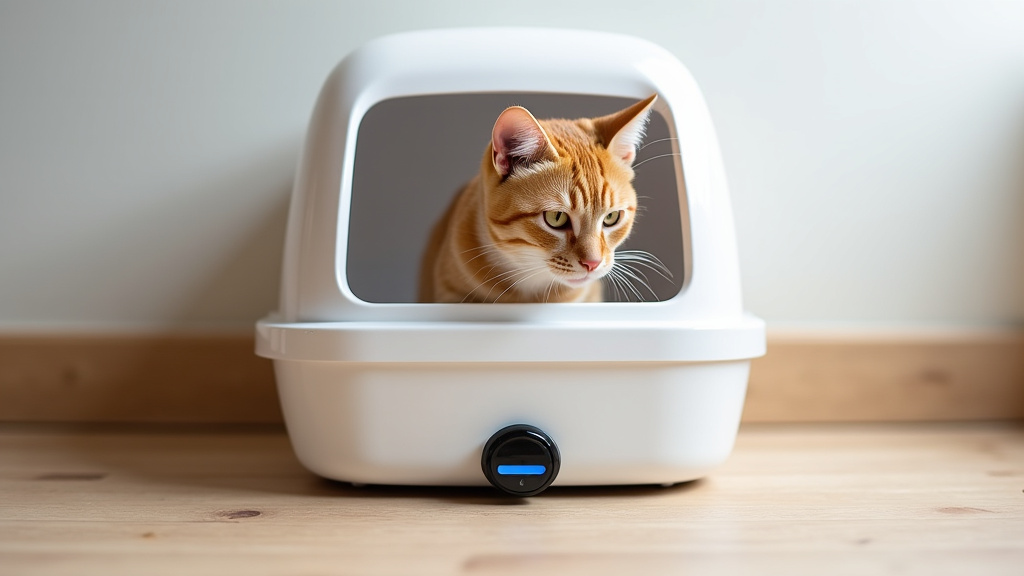
You’re probably wondering how a simple litter box can help track your cat’s health. It’s a clever bit of technology! A litter box weight sensor uses a scale built into the base of the litter box. This scale is designed to accurately measure the total weight inside. When your cat uses the box, the sensor detects the change in weight. It then records this measurement, often linking it to a specific cat if you have multiple.
Think of it like a smart scale for your cat, but integrated into their daily routine. You don’t have to wrestle a furry friend onto a traditional scale. The system works quietly in the background. It captures weight data every time your cat visits. This makes tracking weight changes much easier and less stressful for both of you.
The Technology Behind the Measurement
At its core, a litter box weight sensor is a precision scale. It typically uses load cells, which are sensors that convert force or pressure into an electrical signal. When your cat steps into the litter box, their weight presses down on these cells. The cells then send information to a small computer within the device. This computer translates the signal into a weight reading.
Many of these sensors are designed to differentiate between your cat’s weight and the weight of the litter itself. They often have a calibration feature. This allows the system to learn the baseline weight of the litter. So, it can focus on the changes caused by your cat’s presence. This clever design ensures the readings are focused on your pet, not just the box contents.
Accurate Load Cells
The accuracy of the sensor depends heavily on the quality of its load cells. These are the heart of the system. High-quality load cells are sensitive enough to detect small shifts in weight. This is vital for catching early signs of illness, which can sometimes manifest as very subtle weight loss or gain. Manufacturers invest in reliable load cells to ensure dependable readings.
Smart Calibration and Filtering
To ensure you get useful data, these systems employ smart algorithms. They often perform an initial calibration when you first set up the box. This helps the device understand the starting weight of the litter. Over time, it may also learn to filter out temporary weight changes. For example, it can ignore the weight of litter that might have been kicked out or disturbed. This keeps the focus on your cat’s actual presence and weight.
What Data Does a Litter Box Weight Sensor Collect?
The primary piece of data collected is your cat’s weight over time. However, many smart litter boxes go beyond just a single number. They can track the frequency and duration of your cat’s visits to the litter box. Some advanced models can even distinguish between different cats in a multi-cat household.
This wealth of information paints a more complete picture of your cat’s habits. Changes in weight, combined with changes in how often they use the litter box, can be very telling. It’s like having a private detective for your cat’s health, working 24/7.
Weight Tracking and Trends
The most direct benefit is tracking your cat’s weight. You’ll see a graph or log showing their weight changes over days, weeks, and months. This allows you to easily spot trends. Is your cat steadily gaining weight? Or perhaps losing a small amount gradually? These trends are key indicators of their health status.
For instance, a sudden loss of appetite can lead to weight loss. Conversely, conditions like diabetes can sometimes cause weight gain. Being able to see these changes early means you can seek veterinary advice sooner rather than later. This is especially important for senior cats or those with chronic conditions.
Frequency and Duration of Litter Box Use
Beyond just weight, these sensors can record how often your cat uses the litter box. They also often log how long each visit lasts. This data is incredibly useful. A cat suddenly visiting the litter box much more or less often than usual can signal a problem. Kidney issues, urinary tract infections, or even stress can affect litter box habits.
The duration of a visit can also be telling. A cat spending an unusually long time in the box might be straining or having difficulty. Conversely, very short visits could indicate they aren’t able to fully empty their bladder or bowels. We found that tracking these habits alongside weight provides a richer health profile.
Multi-Cat Household Tracking (Where Applicable)
For homes with more than one feline friend, some smart litter boxes offer cat identification. This is usually achieved through a combination of weight and behavior. The system learns the typical weight range and visiting patterns of each cat. When a cat uses the box, it tries to match the data to a known profile.
This feature is a game-changer for multi-cat homes. It allows you to monitor each cat’s individual health. Without it, you’d only see the combined weight and usage data. This can mask problems with one cat if another is behaving normally. Being able to track each cat separately provides much more detailed and actionable health information.
Why Monitoring Your Cat’s Weight is Important
Cats are masters at hiding illness. This is an instinct from their wild ancestors, where appearing weak could make them prey. Because of this, you might not notice a health problem until it’s quite advanced. Weight change is one of the most common and earliest signs of illness in cats.
Regularly knowing your cat’s weight helps you catch potential issues early. This can lead to faster diagnosis and treatment. Faster treatment often means a better outcome for your beloved pet. It also means potentially lower veterinary bills in the long run, as early intervention is usually less costly than treating advanced disease.
Early Detection of Health Issues
Subtle weight loss can be an indicator of many conditions. These include hyperthyroidism, kidney disease, diabetes, parasites, dental problems, or even cancer. A rapid or significant weight loss warrants immediate veterinary attention.
On the flip side, unexplained weight gain can also be a concern. It might point to issues like heart disease, fluid retention, or metabolic changes. For example, the American Association of Feline Practitioners often highlights weight management as key to preventing or managing feline diabetes.
Tracking Chronic Conditions
If your cat has a chronic illness, like kidney disease or diabetes, monitoring their weight is essential for management. Your veterinarian will rely on this data. It helps them adjust medication dosages or diet plans. Consistent tracking provides objective information about how well the treatment plan is working.
For example, if a cat with kidney disease is losing weight despite treatment, it might signal that the medication needs adjustment. Or, if a diabetic cat is gaining weight, their insulin or diet might need tweaking. A weight sensor provides a reliable record for these important discussions with your vet.
Peace of Mind for Pet Owners
Knowing you have a system in place to monitor your cat’s health brings immense peace of mind. You don’t have to guess if your cat is eating enough or if that slight thinner appearance is just in your head. You have data.
This technology allows you to be a more informed and proactive pet parent. It helps reduce the anxiety that often comes with worrying about your cat’s well-being. You are actively participating in their care in a simple, non-intrusive way.
What to Do With the Data You Collect
So, you’ve got the data from your smart litter box. What’s next? The information is most useful when you share it with your veterinarian. Don’t try to self-diagnose. Your vet is the expert who can interpret the weight trends and usage patterns in the context of your cat’s overall health.
Keep an eye on the readings, but remember they are a tool to facilitate conversation with your vet. They can help guide your vet’s diagnostic process. This collaborative approach ensures your cat receives the best possible care.
Consulting Your Veterinarian
If you notice significant or persistent weight changes, or changes in litter box habits, it’s time to make a vet appointment. Bring a report or screenshots of the data collected by your sensor. This information can save time and help your vet pinpoint potential problems more quickly.
For example, if the sensor shows a steady weight loss over three weeks, tell your vet. If it shows your cat is using the litter box much more frequently, mention that too. Your vet can then perform targeted physical exams and tests based on this valuable input. Many veterinary guidelines recommend regular wellness checks, and this data supplements those.
Understanding Normal Ranges
It’s helpful to have a general idea of what’s normal for your cat. Most adult cats maintain a relatively stable weight throughout their lives, barring age-related changes or illness. A healthy adult cat might fluctuate by 1-2% of their body weight normally.
However, a change of 5-10% or more can be a significant health concern (American Veterinary Medical Association). Your vet can help you establish your cat’s ideal weight range and what kind of fluctuations are considered normal for them. This context is vital for interpreting the data from your sensor.
Data Checklist for Your Vet Visit
When you go to the vet, having this information ready can make the appointment more efficient:
- Current weight reading from the sensor.
- Weight trend over the last 1-3 months.
- Changes in litter box visit frequency.
- Changes in litter box visit duration.
- Any notes on appetite or behavior changes.
- When you first noticed any concerning trends.
This organized approach helps ensure you cover all the important points with your vet. It makes sure the smart litter box is working hard for you and your cat’s well-being.
Conclusion
You’ve learned how a litter box weight sensor acts as your cat’s silent health guardian. By automatically tracking weight and usage patterns, it offers a non-stressful way to spot potential issues early. This smart technology empowers you to be a more informed pet parent, providing valuable data to share with your veterinarian. Instead of guessing, you have objective information. Your next step is to consider how this tool can offer peace of mind and better care for your feline friend.
Frequently Asked Questions
How do I set up a litter box weight sensor?
Setup typically involves placing the sensor base under your existing litter box or using a litter box that has the sensor built-in. You’ll then connect it to your home Wi-Fi and download a companion app to start tracking data and receive alerts.
Can these sensors track multiple cats accurately?
Some advanced models use algorithms to differentiate between cats based on weight and typical usage patterns. If you have multiple cats, look for a model specifically designed for multi-cat households to ensure accurate individual tracking.
What if my cat kicks a lot of litter out? Does that affect the readings?
Many sensors have smart calibration and filtering features to distinguish between your cat’s weight and the litter. They learn the baseline weight of the litter, helping to focus on the changes caused by your cat’s presence, not just displaced litter.
How much weight change is considered a health concern?
A weight change of 5-10% or more of your cat’s total body weight can be a significant health concern. However, your veterinarian can help you understand what’s normal for your specific cat and when to seek their advice.
Do I need to weigh my cat manually if I have a sensor?
No, the sensor automates the weight tracking process. It continuously monitors weight changes over time, eliminating the need for stressful manual weigh-ins for you and your cat.